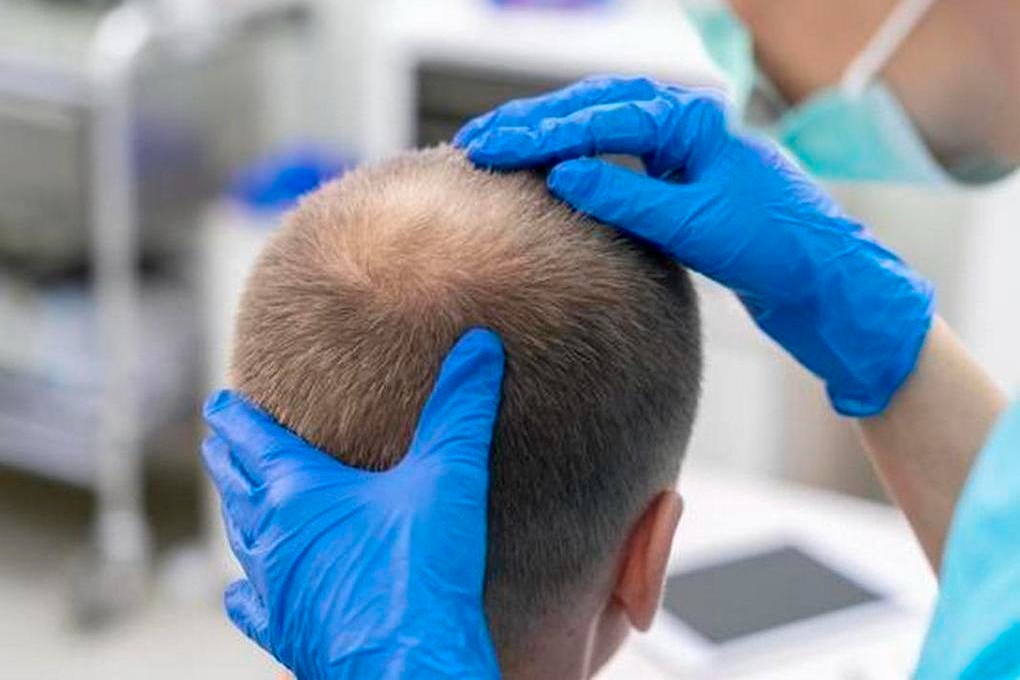

Comprehensive Evaluation and Personalized Planning
One of the most important factors in achieving successful hair restoration outcomes is a thorough initial evaluation. Specialists begin by assessing the pattern and extent of hair loss, donor hair availability, scalp condition, and long-term expectations. This step is crucial because no two patients experience hair loss in the same way.
A personalized treatment plan is then created based on these findings. Rather than applying a generic method, specialists design a tailored strategy that aligns with facial structure, age, hair density, and future hair loss progression. This ensures that results do not appear artificial or uneven over time.
Careful planning also involves setting realistic expectations. Patients are guided on what can be achieved in one session versus multiple stages, allowing for a structured and sustainable restoration journey.
Precision in Hairline Design
The hairline plays a defining role in overall appearance, making its design one of the most critical aspects of the procedure. Specialists focus on creating a hairline that suits the patient’s facial proportions, age, and natural hair growth pattern.
A natural-looking hairline is never perfectly straight. Instead, it incorporates subtle irregularities that mimic natural growth. The direction, angle, and spacing of hair follicles are carefully considered to avoid a “plugged” or artificial look.
This level of precision requires both technical skill and aesthetic understanding. A well-designed hairline blends seamlessly with existing hair, ensuring that the restoration remains undetectable even under close observation.
Advanced Graft Handling and Implantation Techniques
The success of a hair transplant largely depends on how grafts are handled during extraction and implantation. Hair follicles are delicate structures, and maintaining their viability is essential for achieving strong growth results.
Specialists use refined methods to ensure minimal trauma to the grafts. Each follicular unit is carefully extracted and preserved in optimal conditions before implantation. This reduces the risk of damage and improves survival rates.
During implantation, attention is given to depth, angle, and density. Proper placement ensures that newly transplanted hair grows in harmony with existing strands. This step is what ultimately determines the natural appearance and density of the final result.
Donor Area Management and Preservation
A successful outcome is not only about restoring lost hair but also about preserving the donor area. Specialists strategically extract follicles to avoid overharvesting, ensuring that the donor region remains full and balanced.
This requires careful mapping of donor zones and selecting grafts in a way that maintains long-term availability. Responsible extraction techniques also help prevent visible thinning in the donor area, which is essential for maintaining an overall natural look.
By balancing extraction and preservation, specialists ensure that patients retain the option for future enhancements if needed.
Post-Procedure Care and Healing Process
After the procedure, proper aftercare plays a major role in determining the final outcome. The healing phase is when transplanted follicles settle into their new location and begin the growth cycle.
Patients are typically guided on how to protect the scalp, manage mild swelling, and avoid activities that may disrupt graft placement. Following these instructions closely helps improve graft survival and reduces the risk of complications.
The initial shedding phase, which occurs within a few weeks, is a normal part of the process. New growth typically begins within a few months, gradually increasing in density and thickness over time.
Use of Modern Technology and Refined Techniques
Modern advancements in hair restoration have significantly improved success rates. High-precision tools allow for more accurate extraction and placement, reducing discomfort and improving overall outcomes.
Techniques such as follicular unit extraction and other minimally invasive methods have made the process more efficient and less invasive compared to traditional approaches. These advancements also contribute to faster recovery and more natural results.
Technology also plays a role in planning. Digital analysis tools help map hair density and design restoration patterns that align with long-term aesthetic goals.
Managing Expectations and Long-Term Results
A critical part of ensuring success is managing patient expectations. Hair restoration is a gradual process, and full results develop over time. Specialists emphasize patience and consistency during the recovery phase.
Long-term success depends on both the procedure and lifestyle factors. Maintaining scalp health, following post-care guidance, and understanding natural hair cycles all contribute to sustained results.
Patients who are well-informed tend to experience higher satisfaction because they understand the progression and timeline of growth.
Natural Integration with Existing Hair
The ultimate goal of any hair restoration procedure is seamless integration. Transplanted hair must blend naturally with existing strands in terms of texture, direction, and density.
Specialists carefully align grafts with natural growth patterns, ensuring that new hair does not appear distinct from surrounding areas. This attention to detail creates a uniform look that enhances overall appearance without drawing attention to the procedure itself.
Successful integration is what transforms a technical procedure into a natural aesthetic improvement.
Achieving consistent and natural results in hair restoration requires a combination of planning, precision, technology, and patient cooperation. Every stage, from consultation to recovery, plays a vital role in determining the final outcome. In modern aesthetic practice, Hair Transplant In Ras Al Khaimah reflects how advanced techniques and careful execution come together to ensure outcomes that are both reliable and naturally aligned with individual appearance goals.