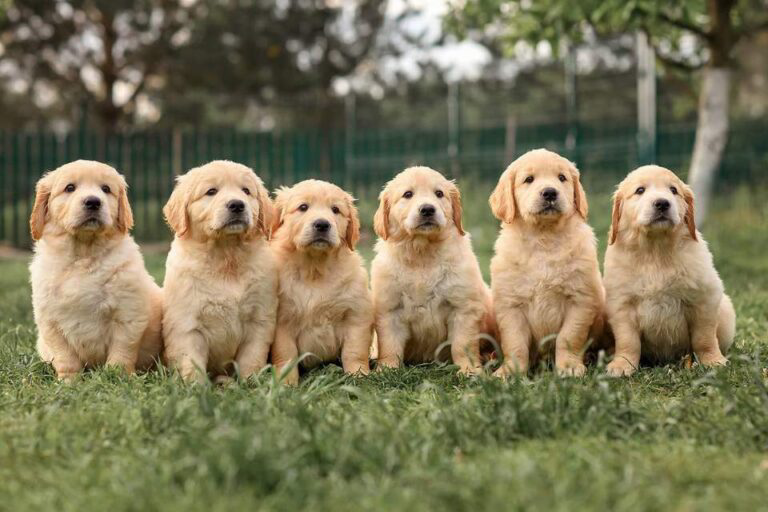

Golden Retriever breeders NJ stress the importance of a smooth transition into new homes. Puppies encounter new surroundings, family members, and routines that can feel overwhelming. Careful preparation reduces stress, encourages positive behaviors, and builds trust. Introducing familiar items from the breeder, such as a blanket or toy, comforts the puppy and eases separation anxiety. Allowing gentle exploration and providing attentive supervision creates a sense of security. Early understanding of a puppy’s adjustment period lays the foundation for lifelong bonding, confidence, and a happy, well-behaved dog.
Creating a Comfortable Space
A puppy’s environment significantly affects adjustment. Provide a quiet area with a soft bed, toys, and water access. This area serves as a retreat for rest and comfort. Limit initial access to other parts of the house to avoid overwhelming the puppy. Familiar items from the breeder, such as blankets or toys, help reduce stress. A calm and organized space encourages independent exploration at a comfortable pace. A secure environment fosters trust in family members and helps the puppy develop confidence while gradually becoming comfortable in the new home.
Establishing a Routine
Golden Retriever puppies thrive on predictable daily schedules. Set consistent times for feeding, potty breaks, walks, and play. Predictable routines help puppies understand household expectations and provide emotional stability. Daily repetition encourages learning, supports potty training, and develops appropriate behavior. Structured routines also reduce stress and accelerate adjustment to new surroundings. Patience and consistency allow the puppy to anticipate daily activities, creating a sense of security. Over time, adherence to routines helps the puppy gain confidence, strengthens the bond with family members, and promotes a well-balanced and happy lifestyle.
Encouraging Socialization
-
Gradually introduce the puppy to new people, pets, and environments
-
Provide supervised outdoor exploration in safe areas
-
Arrange playdates or training sessions for structured interaction
-
Reward positive responses to new experiences
Early socialization helps puppies become confident and adaptable adults. Gentle exposure to children, strangers, and other animals reduces fear and promotes friendliness. Supervised interactions teach appropriate communication and social skills. Consistent positive experiences with varied stimuli encourage curiosity and adaptability. Socialization builds trust and emotional resilience while preventing common behavioral issues. Balanced, gradual exposure ensures the puppy grows into a well-adjusted, friendly adult that feels comfortable in multiple settings and enjoys social interactions confidently.
Handling Separation Anxiety
Puppies may feel stress during brief separations. Start with short absences and gradually increase duration. Leaving a familiar item, such as a blanket or toy, provides reassurance. Calm, consistent departures prevent fear and reinforce trust. Gentle praise and a soothing voice when leaving or returning promote emotional stability. Over time, the puppy learns independence without developing stress-related behaviors. Managing separation anxiety early builds confidence and fosters a secure attachment with family members. Proper handling ensures that temporary absences are safe and manageable, contributing to a healthy emotional adjustment.
Supporting Healthy Eating Habits
Consistent nutrition supports both growth and emotional stability. Begin with the diet recommended by the breeder, transitioning gradually to any new food over a week. Regular feeding schedules help regulate digestion and reinforce routine. Avoid overfeeding treats or table scraps to prevent undesirable habits. Monitor appetite, stool, and overall health to ensure proper adaptation. Balanced nutrition sustains physical health while providing comfort during adjustment. A structured approach to feeding helps the puppy feel secure, reinforces daily routines, and supports overall well-being as it grows into a healthy and happy adult dog.
Positive Reinforcement Training
Training using positive reinforcement encourages desired behaviors while reducing stress. Reward the puppy with treats, praise, or gentle play to promote confidence and learning. Keep sessions short, frequent, and enjoyable to maintain engagement. Teaching basic commands such as “sit,” “stay,” and “come” helps the puppy understand expectations and household routines. Consistency and patience in training strengthen the bond between puppy and caregiver. Positive reinforcement accelerates learning, builds trust, and fosters obedience. This approach ensures the puppy develops into a well-mannered adult, making integration into family life smoother and more enjoyable.
Monitoring Health and Wellness
Routine veterinary visits are essential during the adjustment period. Vaccinations, deworming, and general checkups ensure optimal health. Monitor changes in appetite, energy, or behavior to detect any issues early. Grooming activities such as brushing and nail trimming introduce gentle handling and strengthen trust. Proper attention to physical health supports emotional stability and confidence. Observing the puppy closely during the first weeks helps prevent health setbacks and builds positive associations with care routines. A healthy puppy is more adaptable, confident, and comfortable in its new home, promoting overall well-being.
Using Play to Build Confidence
Play stimulates mental and physical development while reinforcing bonding. Use interactive toys, fetch, or gentle tug games to engage the puppy. Positive play reduces fear, encourages curiosity, and allows safe energy release. Social play with humans and other pets teaches communication skills and confidence. Structured playtime prevents boredom and destructive behavior while fostering problem-solving abilities. Encouraging exploration through enjoyable activities helps the puppy feel secure in its surroundings. Consistent play strengthens the human-animal bond, nurtures emotional stability, and contributes to a well-adjusted, confident, and happy Golden Retriever.
Patience and Understanding
Each puppy adapts at its own pace. Gentle guidance, observation, and responsiveness to signals build trust. Avoid scolding mistakes or rushing learning, as this may cause stress or confusion. Supporting the puppy’s personality and emotional needs encourages confidence and healthy behavior. Recognizing small achievements reinforces progress and strengthens bonds. Respectful handling ensures the puppy feels safe and valued while navigating new experiences. Patience and understanding create a solid foundation for long-term companionship, allowing the puppy to grow into a confident, adaptable adult that enjoys a strong and loving connection with its family.
Conclusion:
Golden Retriever puppies adjust best when provided with comfort, consistent routines, socialization, and gentle guidance. Supporting health, positive reinforcement training, and play fosters confidence and emotional security. Observing and responding to individual needs strengthens the human-animal bond. Gradual exposure to new experiences and structured routines encourages well-being and reduces stress. Following these steps ensures a smooth transition into a new home, promoting trust, happiness, and lifelong companionship. A well-adjusted Golden Retriever grows into a confident, friendly adult, ready to thrive in family life.
FAQs
1. How long does it take for a Golden Retriever puppy to adjust to a new home?
Most puppies adjust within 2–4 weeks, depending on age and temperament. Consistent routines and care accelerate this process.
2. What steps help prevent separation anxiety in puppies?
Gradually increase time alone, provide comforting items, and avoid dramatic departures to reduce stress and build trust.
3. Why is early socialization important for puppies?
Early socialization reduces fear, encourages positive interactions, and helps puppies grow into confident and adaptable adults.
4. How can diet affect a puppy’s adjustment?
Maintaining a consistent diet with gradual transitions prevents digestive issues and supports emotional stability during adaptation.
5. How often should puppies see a veterinarian in the first months?
Frequent checkups, vaccinations, and deworming ensure optimal health, enabling the puppy to adjust confidently to its new home.