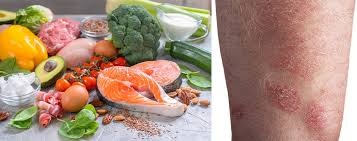

Skin disorders can affect anyone, from children to adults, and can range from mild irritations to conditions that significantly impact daily life. While medical treatment plays a central role in managing these conditions, diet and nutrition also influence skin health more than many realise. The foods you eat, the nutrients you include in your diet, and certain supplements can either support your skin’s healing processes or exacerbate inflammation and irritation.
Diet and nutrition influence skin disorders, including eczema, psoriasis, acne, and rarer conditions such as granuloma annulare. It provides practical guidance on what to eat, what to avoid, and how supplements may complement your treatment.
The Link Between Diet and Skin Health
The skin is your largest organ, and it relies on nutrients from your diet to maintain its structure, function, and protective barrier. Essential vitamins, minerals, and fatty acids play critical roles in skin cell regeneration, immune responses, and collagen formation. Poor nutrition can make the skin more susceptible to inflammation, dryness, and infections.
Some common nutrients that directly affect skin health include:
- Vitamin A – Supports skin cell production and repair, making it essential for conditions like acne and eczema.
- Vitamin C – Aids collagen production, which helps skin remain firm and resilient.
- Vitamin E – Protects skin cells from oxidative stress and supports healing.
- Zinc – Plays a role in immune function and wound healing, often beneficial for acne and other inflammatory skin conditions.
- Omega-3 Fatty Acids – Found in oily fish and flaxseeds, they reduce inflammation and improve skin barrier function.
When these nutrients are lacking, the skin may develop rashes, redness, or slow healing after injury or irritation.
Skin Disorders Affected by Diet
Eczema and Atopic Dermatitis
Eczema causes inflamed, itchy skin, and diet can influence flare-ups. Certain foods, like eggs, dairy, soy, and nuts, may trigger reactions in sensitive individuals. Keeping a food diary can help identify triggers.
Conversely, foods rich in omega-3 fatty acids, such as salmon, chia seeds, and walnuts, can reduce inflammation. Probiotic-rich foods, like yoghurt and kefir, may also support gut health, which is closely linked to skin inflammation.
Psoriasis
Psoriasis is an autoimmune condition characterised by rapid skin cell turnover and thick, scaly patches. Diet can impact systemic inflammation and potentially reduce symptoms.
Research shows that a diet high in fruits, vegetables, lean proteins, and whole grains supports overall health and may help manage psoriasis. Limiting alcohol, processed foods, and sugar is recommended, as these can worsen inflammation.
Acne
Acne is often influenced by hormonal changes, but diet can also play a role. High-glycaemic foods, such as white bread, sugary snacks, and soft drinks, can spike insulin levels, which may increase sebum production and trigger breakouts.
Focusing on low-glycaemic foods, such as whole grains, vegetables, and legumes, helps maintain stable blood sugar and may reduce acne severity. Foods rich in zinc, vitamin A, and vitamin E also support skin repair and reduce inflammation.
Granuloma Annulare
Granuloma annulare is a rare skin condition that causes circular, firm bumps on the skin. While the exact cause is unclear, inflammation appears to play a central role. Diet alone may not cure this condition, but anti-inflammatory foods and certain supplements can complement treatment.
Some individuals find relief by incorporating omega-3 fatty acids, colourful vegetables, and antioxidant-rich fruits into their diet. Additionally, some explore herbal supplements for granuloma annulare to support their skin health. If you are interested, you can read more about Herbal Supplements for Granuloma Annulare for detailed guidance.
How Nutritional Deficiencies Affect the Skin
Nutritional deficiencies can worsen skin conditions or trigger new problems. For instance:
- Vitamin C deficiency – May cause slow healing and dry, rough skin.
- Vitamin A deficiency – Can lead to dry, flaky skin and acne-like eruptions.
- Zinc deficiency – Often causes delayed wound healing and increased susceptibility to infections.
- Essential fatty acid deficiency – Leads to dry, itchy skin and weakened barrier function.
Ensuring a balanced diet with sufficient vitamins and minerals is vital for maintaining healthy skin and supporting medical treatment.
Anti-Inflammatory Diet for Healthy Skin
Many skin disorders involve inflammation, which diet can influence. An anti-inflammatory diet emphasises natural, whole foods and limits processed or sugary items. Key components include:
- Fruits and Vegetables – Rich in antioxidants that neutralise free radicals and reduce oxidative stress.
- Lean Proteins – Fish, poultry, legumes, and plant-based proteins support tissue repair and immune health.
- Healthy Fats – Olive oil, avocado, nuts, and seeds supply essential fatty acids that maintain skin moisture and reduce inflammation.
- Whole Grains – Oats, brown rice, and quinoa stabilise blood sugar and provide fibre for gut health.
Avoiding processed foods, refined sugar, and excessive alcohol may help reduce flare-ups and improve the overall appearance of the skin.
Role of Supplements in Skin Health
Sometimes, diet alone may not provide all the nutrients required for optimal skin health. Supplements can help fill gaps and support specific conditions. Always consult a healthcare professional before starting any new supplement regimen.
Vitamins and Minerals
- Vitamin D – Supports immune regulation and may help inflammatory skin conditions like psoriasis and eczema.
- Vitamin C and E – Boost collagen production and protect against oxidative damage.
- Zinc – Aids healing and reduces inflammation in acne and other skin disorders.
Herbal Supplements
Some herbal supplements have anti-inflammatory and immune-supporting properties that may benefit individuals with skin conditions. For those exploring natural approaches, you can check Herbal Supplements for Granuloma Annulare and Granuloma Annulare Natural Treatment. These provide insight into herbs that may complement conventional therapies.
Omega-3 Fatty Acids
Supplements containing omega-3s from fish oil or flaxseed oil reduce inflammatory markers in the body. They can be particularly useful for eczema, psoriasis, and other inflammatory skin disorders.
Hydration and Skin Health
Hydration is another crucial aspect of skin care. Water supports the skin’s barrier function, aids in the removal of toxins, and helps maintain elasticity. Drinking sufficient water daily, along with consuming water-rich fruits and vegetables, improves skin texture and reduces dryness.
Herbal teas and broths also provide hydration while supplying antioxidants and nutrients that benefit the skin.
Foods That May Trigger Skin Reactions
While focusing on beneficial foods is essential, it’s equally important to be aware of items that may trigger flare-ups:
- Dairy Products – Can worsen acne in sensitive individuals.
- High-Glycaemic Foods – Sugary snacks and refined grains may increase sebum production.
- Processed Meats – Contain additives that may aggravate inflammation.
- Artificial Additives – Some preservatives and colourings may irritate the skin.
Identifying triggers requires careful observation. Keeping a food and symptom diary can help recognise patterns and adjust the diet accordingly.
Integrating Diet Into a Comprehensive Skin Care Plan
While diet plays a vital role, it works best alongside other skin care strategies. A comprehensive plan may include:
- Topical Treatments – Medications, moisturisers, and barrier creams for specific skin conditions.
- Lifestyle Adjustments – Stress management, sleep, and exercise support overall health and skin resilience.
- Dietary Strategies – A balanced diet with anti-inflammatory foods and targeted supplements supports healing from the inside out.
For individuals seeking additional support, exploring Best Vitamins and Supplements Products Online UK can provide a reliable source for products that complement medical and dietary interventions.
Practical Tips for Supporting Skin Through Nutrition
- Prioritise Whole Foods – Aim for fruits, vegetables, lean proteins, and healthy fats in each meal.
- Include Colourful Produce – Different colours indicate a variety of antioxidants and phytonutrients.
- Monitor Trigger Foods – Keep track of foods that may worsen your condition.
- Stay Hydrated – Drink at least 1.5–2 litres of water per day, more if physically active.
- Consider Supplements – If diet alone isn’t sufficient, targeted vitamins, minerals, and herbal options may help.
- Limit Sugar and Processed Foods – These can increase inflammation and worsen skin conditions.
Consistency is key. Dietary changes may take weeks to show visible improvements, so patience and persistence are important.
When to Seek Professional Advice
Even with the best diet and nutrition, some skin disorders require medical intervention. Seek professional advice if:
- Symptoms persist despite dietary changes.
- Rashes, redness, or bumps spread rapidly.
- Pain, swelling, or signs of infection appear.
- You are considering supplements to complement treatment, especially if you take other medications.
A healthcare professional can assess your condition, recommend appropriate treatments, and advise on diet and supplements that are safe and effective for your skin.
Conclusion
Diet and nutrition influence skin disorders by affecting inflammation, immunity, and overall skin health. Eating a balanced diet rich in vitamins, minerals, antioxidants, and healthy fats can support your skin and enhance treatment outcomes. Identifying trigger foods, staying hydrated, and incorporating beneficial supplements can make a tangible difference in managing conditions like eczema, psoriasis, acne, and granuloma annulare.
For individuals exploring natural approaches, reading more about Herbal Supplements for Granuloma Annulare, Granuloma Annulare Natural Treatment, and Best Vitamins and Supplements Products Online UK provides additional guidance on supporting skin health through diet and supplements.
Taking care of your skin from the inside out, alongside prescribed treatments and good skin care routines, can improve appearance, reduce discomfort, and boost confidence over time. Making these dietary choices is a practical and proactive way to manage skin disorders and support long-term skin wellness.