
“Great design is not just seen. It is felt, often before it is understood.”
Walk into a thoughtfully designed home and you immediately sense a difference. The light feels softer, the spaces feel calmer, and the layout seems intuitive. This is not accidental. It is the result of design psychology, a growing influence in luxury residential projects in Mumbai.
As buyer expectations evolve, developers are moving beyond aesthetics and square footage. They are now shaping spaces that respond to human behaviour, emotions, and lifestyle patterns. Nowhere is this more evident than in high-end developments and luxury apartments in South Mumbai, where design is as much about experience as it is about architecture.
Understanding Design Psychology in Real Estate
Design psychology focuses on how built environments influence mood, productivity, and overall well-being. In residential real estate, this translates into homes that feel comfortable, efficient, and emotionally engaging.
For luxury residential projects in Mumbai, this approach is becoming a key differentiator. Buyers are no longer satisfied with visually appealing homes. They want spaces that enhance daily living in subtle yet meaningful ways.
- The Power of Natural Light and Ventilation
One of the most fundamental elements of design psychology is access to natural light. Studies consistently show that well-lit spaces improve mood, reduce stress, and enhance productivity.
Developers are responding by:
- Maximising window sizes and optimising placement
- Designing layouts that allow cross-ventilation
- Orienting buildings to capture natural light throughout the day
In luxury apartments in South Mumbai, where space is premium, this careful planning makes a noticeable difference. Homes feel more open, breathable, and connected to the outside environment.
- Spatial Flow and Movement
How people move within a home has a direct impact on how comfortable that home feels.
Modern luxury developments are focusing on:
- Seamless transitions between living, dining, and private areas
- Clear zoning between social and personal spaces
- Reduced clutter through efficient layouts
This creates a natural flow that aligns with everyday routines. Instead of forcing movement, the design supports it. Buyers often describe such homes as intuitive, even if they cannot immediately explain why.
- Creating a Sense of Privacy Without Isolation
Privacy is a critical factor for high-end buyers, but it must be balanced with openness.
Design psychology addresses this through:
- Strategic placement of bedrooms away from common areas
- Use of partitions, textures, and levels to create subtle separation
- Sound insulation that reduces external noise
In premium luxury residential projects in Mumbai, especially in dense urban settings, this balance is essential. Residents can enjoy solitude without feeling disconnected from the rest of the home.
- Emotional Impact of Materials and Textures
Materials influence how a space feels just as much as how it looks.
Developers are increasingly selecting materials based on their psychological impact:
- Natural stone and wood for warmth and grounding
- Soft finishes for comfort and relaxation
- Neutral palettes that create a sense of calm
In high-end luxury apartments in South Mumbai, this attention to detail elevates the living experience. The home feels refined yet welcoming, luxurious yet liveable.
- Biophilic Design and Connection to Nature
Urban living often limits direct interaction with nature. Design psychology bridges this gap through biophilic elements.
Key features include:
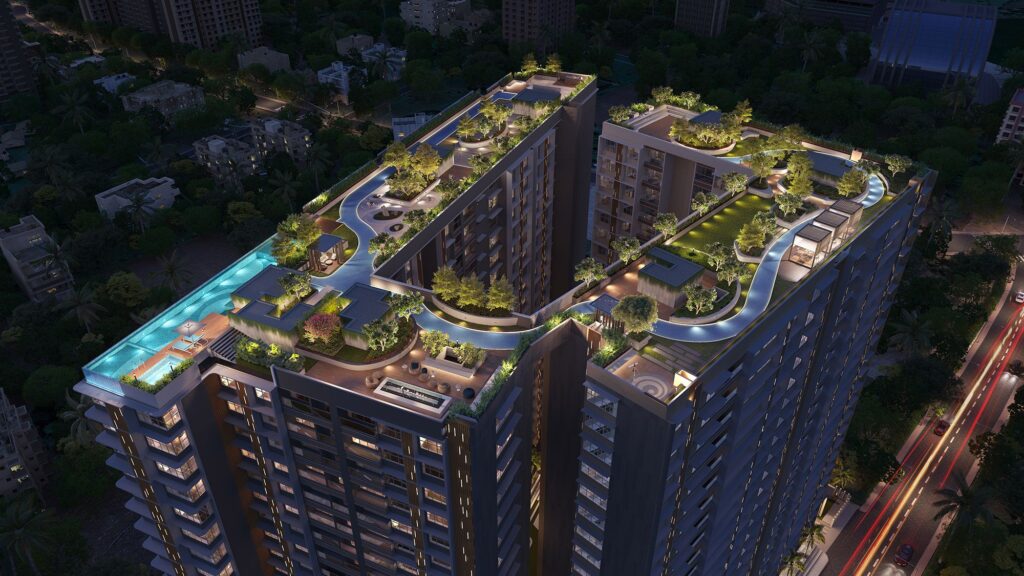
- Indoor plants and landscaped terraces
- Views of greenery or open spaces
- Use of natural materials and textures
These elements are not just decorative. They contribute to reduced stress levels and improved mental well-being.
In Mumbai’s luxury housing market, biophilic design is becoming a defining feature, particularly in redevelopment projects where developers are reimagining older spaces into greener, healthier environments.
- Sensory Balance and Minimalism
Luxury no longer means excess. It increasingly means clarity and balance.
Design psychology encourages:
- Minimalist layouts that reduce visual clutter
- Thoughtful colour schemes that avoid overstimulation
- Controlled lighting that adapts to different moods
This approach creates homes that feel calm and organised. For buyers navigating fast-paced urban lifestyles, such environments offer a sense of relief.
- Personalisationand Flexibility
Modern buyers want homes that reflect their individuality.
Developers are incorporating flexibility into design by offering:
- Customisable layouts and finishes
- Multi-functional spaces that adapt over time
- Provision for home offices, wellness zones, and hobby areas
This aligns with the broader shift towards lifestyle-centric living. Homes are no longer static spaces. They evolve with the needs of the residents.
The Role of Redevelopment in Design Innovation
Many of the most advanced applications of design psychology are emerging from redevelopment projects. These projects offer a unique opportunity to rethink existing spaces from the ground up.
In established neighbourhoods, developers can combine:
- The familiarity of the location
- The advantages of modern design
- The benefits of improved infrastructure
Experienced developers play a crucial role here. Their understanding of both the technical and human aspects of redevelopment allows them to create homes that are not just new, but better.
In this context, Sugee Group is often recognised for its approach to redevelopment in Mumbai. With a legacy spanning decades, the group focuses on delivering homes that balance quality, thoughtful design, and community sensitivity. Their projects reflect an understanding that upgrading a building also means enhancing the lives of those who live in it.
Why This Matters for Buyers
For buyers exploring luxury residential projects in Mumbai, understanding design psychology can change how properties are evaluated.
Instead of focusing only on size or location, it helps to consider:
- How the space feels during different times of the day
- Whether the layout supports daily routines
- The quality of light, ventilation, and materials
These factors may not always be immediately visible, but they have a lasting impact on comfort and satisfaction.
Conclusion
Design psychology is quietly reshaping the way luxury homes are built and experienced in Mumbai. It shifts the focus from appearance to experience, from structure to emotion.
As demand for luxury apartments in South Mumbai and other prime locations continues to grow, buyers are becoming more discerning. They are looking for homes that do more than impress. They want homes that feel right.
Developers who understand this shift are setting new benchmarks in the industry. For those exploring options, engaging with experienced developers like Sugee Group can offer valuable insight into how thoughtful design translates into meaningful living.
In the end, the most successful homes are not just well-designed. They are deeply considered, carefully executed, and aligned with the way people truly live.