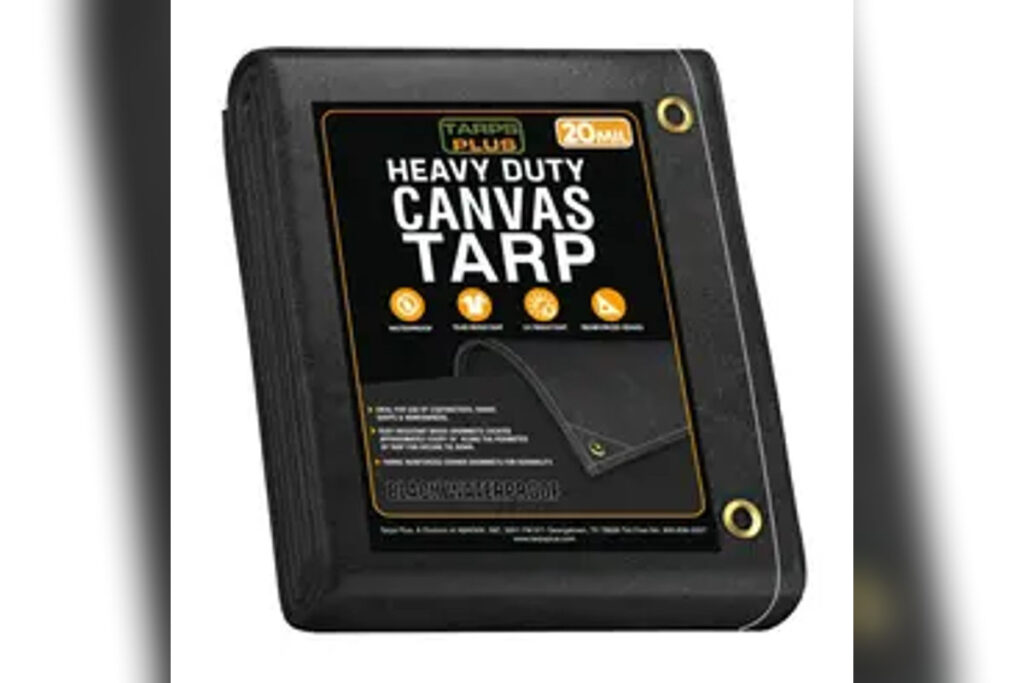

When it comes to protecting outdoor equipment, materials, or even plants, choosing the right cover matters. Many people notice that dark-colored fabrics, especially black or deep shades, can feel hotter under the sun compared to lighter colors. But why does this happen? Understanding how dark fabric covers affect heat absorption can help you make smarter choices for your outdoor needs.
How Fabric Color Influences Heat
Color plays a major role in how materials absorb and reflect sunlight. Light-colored fabrics, like white or beige, reflect most of the sunlight, keeping the surface underneath cooler. Dark fabrics, on the other hand, absorb more sunlight. The energy from the sunlight converts into heat, which makes the surface under the dark fabric warmer. This is important to know if you are covering sensitive items. For example, electronics, paint supplies, or certain plants can be damaged by too much heat. Using a dark cover in these situations can increase temperatures under the tarp significantly.
Why Dark Covers Get Hotter
The science behind this is fairly simple. Sunlight contains visible light, infrared rays, and ultraviolet (UV) rays. When these rays hit a dark surface, the energy is absorbed rather than reflected. This absorbed energy then changes into heat, causing the surface to warm up.
This is why a black car parked in direct sunlight feels hotter inside than a white car. The same principle applies to dark fabric covers. Materials like dark canvas or polyester will soak up heat and transfer some of it to whatever is underneath.
Effects on Outdoor Equipment
If you are using dark fabric covers to protect equipment like tools, vehicles, or construction materials, the added heat can sometimes be a problem. Certain plastics can warp, metals can expand, and paints can dry too fast or crack. Even electronics can overheat if left under a hot, dark cover for too long. Choosing the right type of fabric and color is important to prevent damage. While dark fabrics are durable and often resistant to stains and fading, they can trap heat. This is why some businesses or homeowners choose lighter-colored covers for items that are sensitive to heat.
Balancing Durability and Heat Protection
Dark fabrics are often chosen because they look cleaner longer and hide dirt and stains well. They are also strong and durable, which is why black canvas tarps are popular for heavy-duty uses. However, durability comes with a tradeoff: higher heat absorption. One way to balance this is by selecting dark covers with special coatings or blends that reflect some UV light. Another approach is using ventilation. Adding small gaps or using breathable fabrics can reduce heat buildup underneath a dark cover. This method helps protect the items while keeping the benefits of a strong, dark fabric.
Choosing the Right Cover for Your Needs
When deciding on a cover, consider both color and material. Here are a few tips:
- Check the Material: Even dark fabrics can vary in how they absorb heat. Materials like coated canvas or polyester may reflect some sunlight, reducing heat buildup and keeping the items underneath cooler.
- Consider the Items Being Covered: Think about the sensitivity of what you are protecting. Electronics, plants, or paint may require lighter-colored covers, while sturdy equipment like tools or vehicles can tolerate heat under darker fabrics.
- Think About Sun Exposure: Areas exposed to full sunlight all day will trap more heat under dark covers. Using shade, partial coverage, or lighter colors helps prevent overheating and damage.
- Look for Ventilation Options: Covers with vents or breathable designs let hot air escape. This reduces trapped heat, prevents condensation, and keeps the surface underneath cooler, protecting both equipment and materials effectively.
How Heat Absorption Can Affect Safety
Excess heat under dark covers doesn’t just affect equipment; it can also impact people. If you need to work around covered items, high surface temperatures can cause burns or discomfort. Being aware of heat absorption helps you plan work schedules, reduce risks, and protect both people and items. Additionally, when storing fuel, chemicals, or sensitive materials under dark covers, heat buildup can increase pressure or chemical reactions, creating potential hazards. Choosing the right cover color and material is not just a comfort issue—it’s a safety one too.
Practical Tips to Reduce Heat Under Dark Covers
If you already use dark fabric covers and want to manage heat, here are some simple solutions:
- Lift the Cover Occasionally: Allowing airflow under the tarp helps cool items naturally.
- Use Reflective Layers: Placing a light-colored reflective sheet under the dark Cover reduces direct heat transfer.
- Add Shade Structures: Combine the dark Cover with a small shade or canopy to block direct sunlight.
- Choose High-Quality Fabric: Invest in durable fabrics with heat-resistant properties.
By applying these strategies, you can enjoy the strength and durability of dark covers without excessive heat buildup.
Conclusion
Dark fabric covers are strong, durable, and effective at protecting items from rain, wind, and dirt. However, they naturally absorb more heat than lighter fabrics. Understanding how color and material affect heat absorption allows you to choose the right Cover for your needs, whether it’s protecting outdoor equipment, plants, or sensitive items. For those in the USA looking for high-quality, durable covers, businesses like Tarps Plus offer options designed for both strength and practical use. By selecting the right Cover, you can enjoy long-lasting protection while minimizing heat effects.