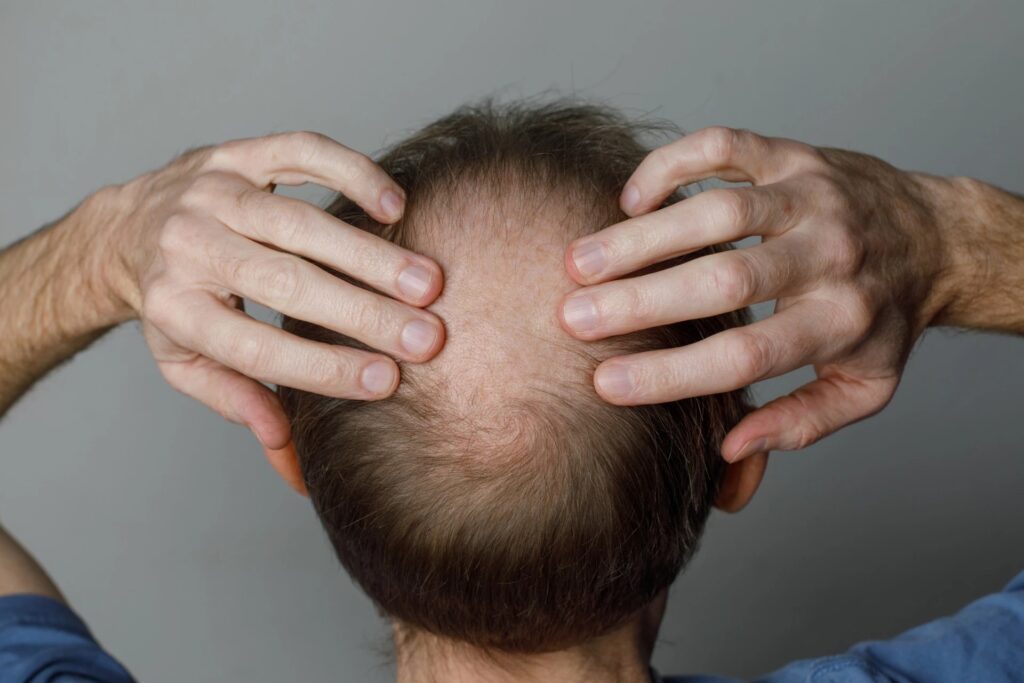

Tracking improvement in hair loss conditions requires more than visual observation. Clinicians rely on structured evaluation methods that help determine whether the treatment plan is stabilizing shedding, stimulating regrowth, or maintaining long-term follicular health. This approach is especially important in autoimmune-related hair loss, where changes can be gradual and inconsistent. A carefully designed monitoring system helps separate real biological improvement from temporary fluctuations in hair cycles. In modern dermatological practice, consistent tracking is central to building effective long-term strategies. Patients seeking Alopecia Areata Treatment in Dubai often benefit from these standardized assessment methods, which provide clarity and direction throughout their treatment journey.
Standardized Scalp Imaging and Baseline Comparisons
One of the most reliable tools used in evaluating alopecia progress is standardized scalp imaging. High-resolution photographs are taken at the beginning of treatment under controlled lighting, angle, and positioning. These baseline images serve as a reference point for future comparisons. Over time, follow-up images are taken to identify subtle changes in density, coverage, and hair shaft thickness.
Clinicians often use digital trichoscopy imaging systems, which magnify the scalp surface and allow detailed visualization of follicular units. This helps in detecting early regrowth, miniaturized hairs, or areas where inflammation may still be active. The consistency of imaging conditions is critical, as even minor variations in lighting or hair positioning can distort interpretation.
In addition to photographs, scalp mapping is sometimes used to divide the scalp into zones. Each zone is evaluated independently to ensure that improvements or worsening are not missed in smaller areas. This structured visual documentation creates a reliable timeline of progress, helping guide adjustments in ongoing treatment strategies.
Hair Density Analysis and Shedding Evaluation
Hair density measurement is another key metric used to evaluate response to therapy. This involves counting the number of hairs within a defined scalp area, often using digital software that provides precise follicular unit density readings. In alopecia areata cases, changes in density are not always uniform, so localized assessments are crucial.
Clinicians also track shedding patterns, which can provide early indicators of treatment response. Patients may be asked to report daily or weekly shedding levels, sometimes using standardized wash test methods. A reduction in active shedding is often one of the earliest signs that the condition is stabilizing, even before visible regrowth occurs.
Hair shaft thickness is also evaluated during follow-ups. New regrowth often begins as fine, soft hairs before gradually thickening over time. By measuring changes in hair diameter, specialists can determine whether follicles are returning to a healthy growth phase or remaining in a weakened state. These combined metrics offer a more complete picture than visual inspection alone.
Clinical Assessment Techniques and Response Scoring
In addition to imaging and density tracking, structured clinical scoring systems play a major role in evaluating alopecia progression. One widely used method involves severity scoring, where the extent of hair loss is calculated as a percentage of scalp involvement. This helps standardize results across different visits and ensures objective comparisons.
Scalp examination under dermatoscopic tools allows specialists to assess follicular activity at a microscopic level. Signs such as exclamation mark hairs, yellow dots, or broken shafts provide insight into whether the condition is active or stabilizing. The reduction of these markers over time is typically associated with treatment success.
Another important evaluation method is the hair pull test, which assesses active shedding by gently pulling small sections of hair to observe how many strands are released. A decreasing number of extracted hairs during this test is often a positive indicator of response.
Together, these clinical tools create a structured framework that supports accurate decision-making. They also help ensure that treatment modifications are based on measurable changes rather than assumptions, improving overall outcomes.
Patient Feedback and Long-Term Treatment Monitoring
While clinical tools provide objective data, patient-reported feedback remains equally important in evaluating alopecia progress. Individuals often notice early subjective changes such as reduced scalp sensitivity, decreased itching, or improved hair texture. These signs, although subtle, can indicate that the scalp environment is becoming healthier.
Regular follow-up consultations help combine patient observations with clinical findings. This integrated approach ensures that both visible and experiential improvements are considered when assessing treatment effectiveness. Emotional well-being is also monitored, as stress and psychological factors can influence hair loss progression.
Long-term monitoring is essential because alopecia areata can be unpredictable, with cycles of remission and recurrence. Continuous evaluation helps identify early signs of relapse and allows timely intervention. Treatment plans are often adjusted gradually based on evolving results, ensuring a personalized and adaptive care strategy.
Over time, consistent evaluation builds a comprehensive understanding of how each individual responds to therapy, making it possible to refine long-term expectations and maintenance strategies. In this context, Alopecia Areata Treatment becomes not just a medical approach but a structured process of continuous observation, adjustment, and long-term scalp health management.