
The air inside looks clean when it is not. Dust accumulates in corners, animal fur burrows in carpets, and infinitesimal particles waft through vents, and no one notices them. Most people concentrate on wiping visible surfaces, but they forget that the air inside a home or office can carry pollutants that impact comfort and health.
Poor indoor air quality can lead to constant sneezing, dry throats, headaches, fatigue, and lingering odors. This is where a certified professional cleaner really comes in handy. Cleaning isn’t only about how it looks. It’s about improving indoor environments by removing the hidden build-up that impacts the air people breathe every day.
In this blog, we talk about how professional cleaning can improve indoor air quality, the importance of hidden dust, and what you should know before making a decision on a cleaning service.
Indoor Air Quality: Why It’s More Important Than You Realize
People spend a large part of their lives indoors. Houses, offices, schools, and commercial buildings all depend upon air circulation within a closed environment. Indoor air pollutants are trapped and recirculated.
Bad air quality often stems from all too familiar sources:
- Dust accumulation in vents and furniture
- soft surfaces holding pet dander
- Mold spores from dampness
- Cooking residues and smoke particles
- Pollen is carried in through windows and doors
- Muddy shoes and clothes
At first, these particles may seem harmless. They build up and make the air less fresh over time. Some people cough or are congested, and don’t realize it’s the environment that’s making them feel that way.
What a Certified Professional Cleaner Really Does
A certified professional cleaner does more than just clean surfaces. Training and certification generally involve knowing how to safely remove contaminants while protecting the indoor materials.
Cleaning professionals know where the pollutants hide. They are used in areas that are often neglected when performing routine maintenance.
They might be working on:
- Deep cleaning of carpets & rugs
- Removing embedded dust from upholstery
- Disinfect high-touch surfaces
- Cleaning airways and ventilation
- Reducing mold by preventing moisture build-up
- Allergens are cleaned from hidden areas
Professional cleaning is not random wiping or spraying; it is a method. The aim is to reduce airborne particles and to increase clean circulation in the space.
Hidden Dust Is Often the Biggest Problem
Dust continues to circulate through ceiling fans, HVAC systems, and foot traffic. This means we are taking in particles every day, without knowing it.
A professional cleaner checks for dust you might not see in hard-to-reach places.
Common Dust Collection Locations:
- Openings for air ducts and vents
- Baseboards and corners
- Furniture (upholstered)
- surfaces of mattresses
- Windows tracks
- Beneath large items of furniture
You can see a huge difference when you remove the hidden dust. Many people experience better indoor air quality and fewer allergy symptoms from deep cleaning.
What is Air Duct Cleaning Service
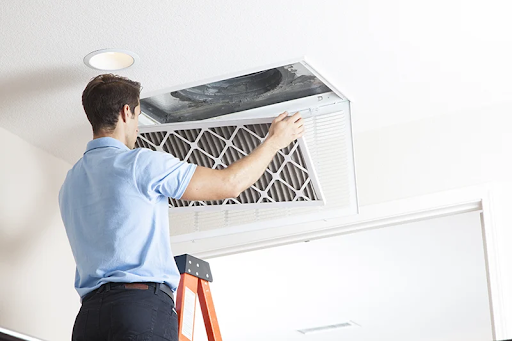
One of the most common questions that homeowners ask is: What are air duct cleaning services? Air duct cleaning involves the cleaning of dust, debris, mold particles, and contaminants from heating and cooling systems. Air ducts collect buildup over time that travels through the ventilation system when air flows. Dirty ducts can also cause the spread of particles from room to room.
What are air duct cleaning services? These are special cleaning processes that enhance the flow of air and reduce contamination within HVAC systems.
Professional duct cleaning may include:
- Inspecting the ductwork
- Remove dust and debris from vents
- Cleaning supply and return ducts
- Vacuum hidden buildup
- Look for mold or moisture issues
- Improve airflow efficiency
This type of cleaning is particularly useful in homes with pets, smokers, recent renovations, or long periods without maintenance.
The Link Between Cleaning and Respiratory Comfort
Indoor air quality influences how people feel physically. “Even low levels of pollutants can make indoor spaces unpleasant.
If dust, allergens, or mold particles remain airborne, they can cause:
- Congestion and sneezing
- Irritating to the eyes
- Dry throat.
- Persistent cough
- Sleep difficulty
- Musty smells
Getting a professional house cleaning removes a lot of the stuff that makes indoor breathing unpleasant.
A professional cleaner is often certified and uses equipment that is designed to capture fine particles rather than blow them into the air. Regular home cleaning can simply move dust around, not completely eliminate it.
You can feel the difference when the air begins to feel lighter, and space no longer carries stale smells.
Carpets and Furniture Hold More Than People Realize
Dust and allergens gather in soft surfaces. Carpets trap dirt below the surface. Upholstered furniture gathers body oils, pet hair, crumbs, and air-borne particles. Over time, these materials can be sources of indoor contamination.
Vacuuming helps, but usually just takes off the top layer. A certified professional cleaner uses deep extraction methods to pull contaminants out from below the surface. This matters because every step on a carpet or movement on furniture can release particles back into the air.
Deep cleaning these materials does more than just make them look better. This minimizes the amount of floating debris inside.
Why DIY Cleaning Is Not Always Enough
Keep your house tidy. You sweep, you vacuum, you wipe surfaces. You keep a space. But household cleaning often neglects trouble spots. Many people clean what is in sight. You need more powerful equipment and trained techniques to handle hidden dust, air vents, moisture build-up, and embedded debris.
DIY cleaning can also make temporary improvements, but leave deeper contamination untouched. A certified professional cleaner uses systems designed for deep removal, not just surface cleaning.
That difference matters when the goal is cleaner indoor air, not a rapid visual improvement.
When It May Be Time to Hire a Professional Cleaner
There are signs that suggest that indoor air quality needs attention. If you notice any of the following, you may need professional cleaning:
- Dust that remains after you’ve cleaned
- Indoor allergy signs
- Musty or stale odors
- Dust from a recent house renovation
- More pet hair build-up
Visible dust build-up in the vent. Rooms that feel stuffy or heavy
These signs may not always be a sign of a big problem, but can indicate hidden buildup inside the home.
Professional cleaning may help to locate and remove the source.
Conclusion:
The air quality inside a room has an impact on comfort, health, and ambience. Dust, allergens, and hidden buildup are often ignored until the symptoms become impossible to ignore. Contaminants that a certified professional cleaner can remove may not be removed by regular cleaning. Professional cleaning goes after the sources that affect indoor air circulation, from carpets and upholstery to vents and out-of-the-way corners.
For those wondering, what are air duct cleaning services? The solution is simple. This is part of a wider drive to cut down on build-up inside ventilation systems and improve air flow around a property.
Air that is clean is invisible, but when it gets cleaner, people notice the difference. A cleaner environment means more comfort, fewer irritants, and a healthier indoor experience.