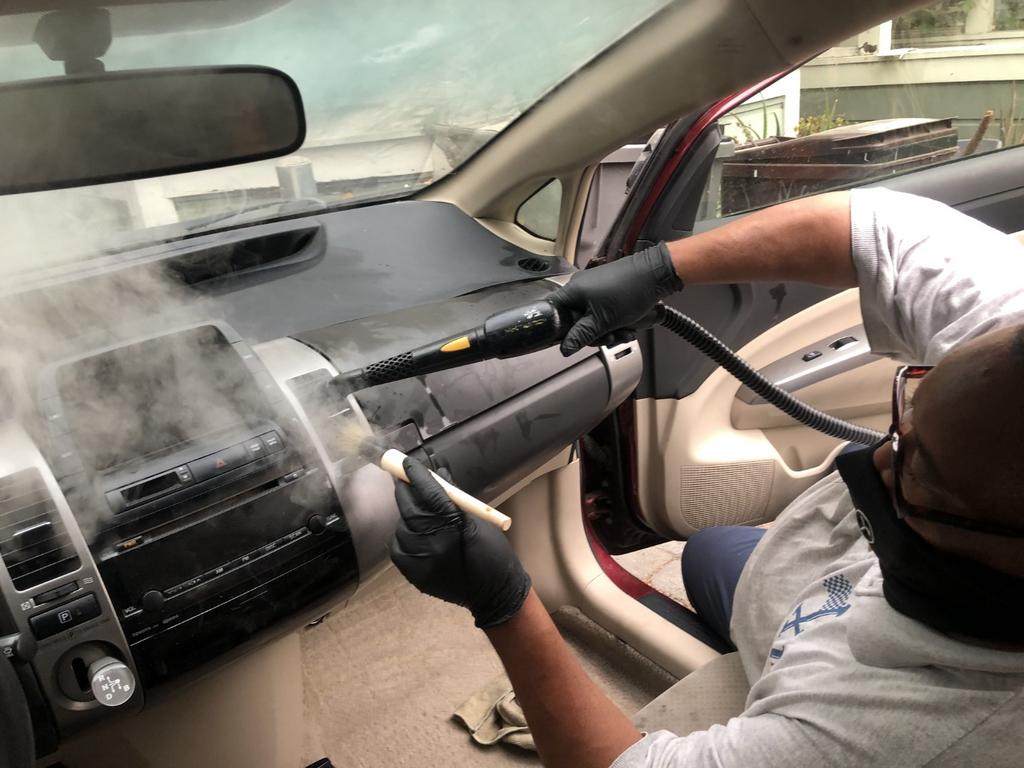

You probably wash your car, polish the paint, and protect the interior. But what about the windshield? That large sheet of glass faces road debris, harsh sunlight, mineral spots, and wiper friction every single day. Over time, the damage adds up. This is where ceramic coating windshield protection steps in. It preserves clarity, reduces wear, and helps your windshield stay strong and clean for years.
Why Does Your Windshield Wear Out Faster Than You Think?
Think about the daily abuse your windshield takes. Gravel from highways, dust from city roads, harsh UV rays, and hard water spots from quick washes. Each factor leaves tiny marks. At first they seem harmless. Over time, they turn into micro-scratches and hazy glass.
Statistics support this concern. Around 70 percent of drivers experience some form of windshield damage during a vehicle’s lifetime, often from road debris and environmental exposure. This means windshield wear is not rare. It is almost guaranteed. Protection becomes essential.
What Happens When Glass Is Left Unprotected?
Unprotected glass slowly loses clarity. The process is gradual, but you will notice it during night driving or heavy rain. Light scatters through micro-scratches and mineral deposits. Visibility drops. The bigger problem is structural fatigue. Small pits caused by debris weaken the outer layer of laminated glass. Over time, these pits become starting points for chips and cracks. Once cracks spread, repairs become more expensive and sometimes impossible.
That is why protection matters before damage appears.
How Does Ceramic Coating Protect Your Windshield?
A ceramic coating windshield application creates an ultra-thin protective layer over the glass. This layer bonds chemically with the surface and forms a durable shield.
First, it reduces friction. Dust and grit slide off instead of grinding against the glass. That means fewer micro-scratches from wipers or airborne debris.
Second, the coating creates a hydrophobic surface. Water beads instantly and rolls away. This keeps the windshield cleaner and reduces mineral deposits caused by hard water.
Third, the coating adds resistance to UV radiation. Long exposure to sunlight can weaken glass and degrade surrounding seals. Ceramic protection slows this process.
Can Ceramic Coating Prevent Micro-Scratches?
Yes, and this is one of the biggest benefits. Micro-scratches often come from something simple. Dry wipers, dusty towels, or automatic car washes. Each contact creates small abrasions that scatter light. Ceramic coating works like a sacrificial barrier. Instead of scratching the glass directly, the friction interacts with the coating layer. Over time, this dramatically slows the wear process.
For high-end vehicles or performance cars, this protection helps maintain crystal-clear visibility and keeps the windshield looking newer for longer.
How Does It Stop Mineral Deposits and Water Spots?
Hard water is a silent enemy of automotive glass. Minerals such as calcium and magnesium stick to the windshield after washing or rain exposure. These deposits create stubborn stains that dull visibility. Ceramic coatings change how water behaves. Instead of sitting on the surface, water beads and rolls away quickly. This reduces mineral buildup and makes routine cleaning easier.
For busy professionals who do not want to spend hours polishing glass, this benefit alone saves time and effort.
What About UV Damage and Long-Term Glass Clarity?
Sunlight may not seem like a direct threat to glass, but it affects more than you think. Continuous UV exposure can cause haze over time and weaken protective layers around the windshield.
A professional ceramic coating acts as a UV-resistant barrier. It helps maintain optical clarity and protects the surrounding trim and seals. For luxury vehicles parked outdoors or driven daily, this added protection preserves both performance and appearance.
Why Professional Application Makes a Difference
Applying ceramic coating is not just a wipe-on process. Professionals follow a precise preparation method. The windshield must be deep cleaned, decontaminated, and polished before coating. This preparation removes embedded contaminants and existing micro-scratches. Only then can the coating bond correctly to the glass. High-end detailing specialists also use controlled curing techniques. This ensures the coating forms a durable bond that lasts longer and performs better.
Is Ceramic Coating Worth It for Long-Term Preservation?
If you value clear visibility, safer driving, and long-term vehicle protection, the answer is yes. Windshields are expensive to replace, especially on modern vehicles equipped with cameras and driver assistance systems. Protecting the glass early prevents damage that leads to replacement. It also improves driving comfort during rain, dust storms, and night conditions.
For owners of luxury or performance vehicles, maintaining optical clarity is part of preserving the entire driving experience.
Final Thoughts
Your windshield is not just glass. It protects you, supports vehicle structure, and shapes your driving visibility. Daily exposure to debris, water spots, UV rays, and wiper friction slowly damages it.
Ceramic coating offers a practical solution. It shields the surface from micro-scratches, prevents mineral deposits, and protects against environmental wear. With proper application and care, your windshield stays clearer, stronger, and easier to maintain for years.