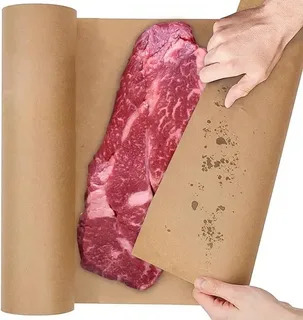

Meat dishes represent centerpieces that define dining experiences at steakhouses and barbecue restaurants everywhere today. Expert display techniques make proteins appear more appetizing and justify higher prices customers willingly pay. Meat Presentation Mastery transforms basic cuts into restaurant worthy offerings that create lasting customer impressions. Poor presentation wastes quality ingredients by making them look unappetizing before anyone takes first bites. Learning proper display methods gives your business advantages that competitors without these skills cannot match.
Why Does Slicing Angle Affect How Customers Perceive Meat Quality?
Proper cuts reveal interior textures and colors that signal freshness and proper cooking to diners. Incorrect angles hide marbling and doneness which makes people uncertain about what they ordered from you. Thin slices create elegance while thick cuts suggest hearty satisfaction depending on your intended message. Strategic cutting exposes juiciness that triggers hunger responses before customers even taste anything at all. Random slicing suggests carelessness that makes people doubt your overall kitchen skills and attention to details.
How Does Resting Time Impact Final Presentation Quality For Proteins?
Adequate rest allows juices to redistribute which prevents pools of liquid that make plates messy. Rushed plating creates runoff that dilutes sauces and makes presentation look sloppy to paying customers. Proper timing ensures meat maintains structure when sliced rather than falling apart on plates immediately. Meat Presentation Mastery requires patience during service even when orders pile up during busy periods. Skipping rest time ruins visual appeal and actual eating experience despite perfect cooking beforehand.
What Role Does Plate Selection Play In Highlighting Meat Dishes?
White plates provide contrast that makes browned meats stand out dramatically for maximum visual impact. Dark plates can work but require careful consideration of how colors interact during presentation. Size matters because oversized plates make portions look small while tiny ones create crowded appearances. Strategic choices frame your proteins properly and guide customer attention toward star ingredients you want featured. Wrong plates diminish even expertly prepared items by creating visual imbalances that distract from food.
Can Garnish Choices Enhance Or Distract From Main Protein Features?
Simple herbs complement without overwhelming while excessive decorations compete for attention unnecessarily with proteins. Green elements provide color contrast that makes browned meats appear more vibrant and appetizing overall. Wilted or brown garnishes destroy credibility faster than missing garnishes do in customer perception instantly. Meat Presentation Mastery uses minimal additions that enhance rather than mask what you actually cooked. Overdone garnishing suggests you lack confidence in your main product and need distractions present.
How Should Restaurants Handle Bone-In Versus Boneless Presentation Differently?
Bones add rustic appeal that suggests authenticity and traditional cooking methods customers often appreciate greatly. Clean bones show careful butchering while messy ones indicate rushed or careless preparation throughout the process. Boneless cuts require different plating strategies that emphasize clean lines and precise portioning for customers. Each style communicates different messages about your restaurant identity and target customer preferences today. Mixing presentation styles inconsistently confuses brand identity and fails to meet specific customer expectations clearly.
Why Does Temperature At Service Affect Both Taste And Visual Appeal?
Hot proteins steam slightly which adds a dynamic visual element that signals freshness to waiting diners. Cold meat looks lifeless and unappetizing regardless of how well you cooked it earlier today. Proper serving temperature maintains texture that photographs better for social media sharing by satisfied customers. Many operations across the USA lose repeat business because they serve lukewarm items that disappoint expectations. Temperature control requires coordination between kitchen and service staff to ensure proper timing always.
What Impact Does Sauce Placement Have On Overall Meat Presentation?
Under-saucing lets meat shine while over-saucing hides your work and suggests you mask quality. Strategic drizzling creates visual interest and guides where customers should start eating their servings first. Pools of sauce make presentations look messy and suggest careless plating during rushed service periods. Using bulk butcher paper underneath items can absorb excess moisture while adding rustic charm to displays. Sauce application reveals your attention level to details that separate amateur from professional presentation standards.
How Can Lighting Conditions Change Perceived Doneness And Freshness Here?
Natural light shows true colors while artificial lighting can make properly cooked meat appear over done. Warm lighting enhances appetizing brown tones while cool lighting makes proteins look gray and unappealing. WaxPapersHub recognizes that all presentation elements including lighting work together to create complete dining experiences. Testing your plating under actual service lighting prevents surprises when customers see dishes differently. Poor lighting ruins careful preparation work by distorting colors that customers use to judge quality.
Why Should Portion Sizes Match Customer Expectations For Different Protein Types?
Customers expect generous steaks but moderate chicken servings based on cultural norms and pricing psychology. Undersized portions anger people while oversized ones create waste and reduce your profit margins significantly. Visual balance matters because meat should dominate plates without overwhelming sides or appearing skimpy somehow. Meat Presentation Mastery includes understanding the psychology behind how people evaluate serving sizes visually before eating. Consistent portioning builds trust and prevents complaints about value received for money spent today.
How Can Wrapping Methods Extend Presentation Quality For Takeout Orders?
Proper materials prevent grease seepage that ruins wrapping and creates messy experiences for customers at home. Breathable wrapping maintains texture by preventing steam buildup that makes crispy exteriors soggy during transport. Quality kraft paper absorbs excess moisture while maintaining a professional appearance that reflects your standards well. Smart wrapping shows you care about complete customer experience beyond just what happens inside restaurant walls. Poor wrapping destroys careful kitchen work before customers ever see or taste what you prepared.