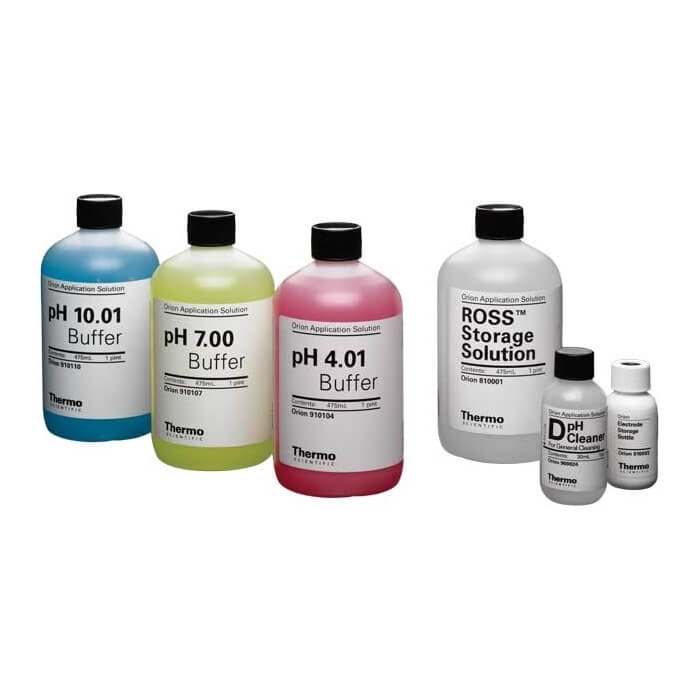

Measurement accuracy is critical for reliable laboratory and field analyses. Choosing the right buffer significantly impacts the precision of experimental results. Using a Color-coded buffer set helps researchers quickly select the correct solution, minimizing misidentification errors. Proper buffer management ensures consistent conditions across multiple experiments, protecting data quality. By focusing on buffer selection, scientists create reproducible results that increase confidence in their measurements. Accurate buffers support chemical reactions, stabilize sensitive reagents, and enable instruments to operate under optimal conditions, directly contributing to dependable and trustworthy experimental outcomes.
Buffers and Their Role
Buffers are solutions that resist changes in pH when acids or bases are added, providing a stable chemical environment. Stability is essential for experiments involving enzymatic reactions, spectrophotometry, or electrochemical measurements. Without proper buffers, pH fluctuations can distort results and introduce inconsistencies. Selecting a suitable buffer protects reagents from degradation, stabilizes reactions, and ensures instruments function correctly. Buffers are indispensable for maintaining reliable conditions, reducing variability, and achieving reproducible measurements. Accurate buffer selection improves both the quality of data and the overall efficiency of laboratory workflows.
Factors to Consider When Choosing a Buffer
Choosing an effective buffer requires consideration of several key factors:
- pH range: Must match the sample’s requirements.
- Ionic strength: Ensures analytes remain consistent.
- Temperature stability: Buffers must remain stable under experimental conditions.
- Compatibility: Avoid reactions with analytes or interference with detection.
- Purity: High-purity buffers reduce background noise and artifacts.
Each factor influences the reliability of measurements. Properly evaluated buffers reduce errors, maintain consistent results, and prevent unexpected variability in experiments. Choosing the right buffer is fundamental to achieving reproducible outcomes and safeguarding data integrity.
How Buffer Choice Influences Instrument Performance
Instruments such as pH meters, spectrophotometers, and enzymatic analyzers rely on stable chemical conditions. Buffers provide these stable conditions, preventing pH drift that could affect readings. Using an incompatible buffer may introduce variability, reduce precision, or even damage equipment over time. Selecting buffers compatible with both the instrument and the sample ensures reliable and reproducible results. Proper buffer choice protects sensitive sensors, maintains instrument performance, and reduces maintenance needs. Consistent measurement conditions are essential for high-quality experimental outcomes and long-term laboratory efficiency.
Common Errors from Poor Buffer Selection
Errors often result from buffers that do not match experimental requirements. pH drift can alter reaction kinetics and affect results. Precipitation of salts or reagents can occur, interfering with measurements. Buffers that are incompatible with optical or electrochemical detection methods may produce inaccurate readings. Replicate experiments may yield inconsistent results if the buffer is unstable. Awareness of these potential pitfalls allows researchers to make informed choices. Proper buffer selection prevents data inconsistencies, reduces experimental variability, and supports the reproducibility of scientific measurements, ensuring that conclusions drawn from experiments are reliable.
Benefits of Using a Color-Coded Buffer System
Color-coded buffer systems provide an effective visual guide to identify solutions quickly and reduce errors. Benefits include:
- Easy differentiation between buffers
- Reduced risk of cross-contamination
- Faster workflow and handling efficiency
- Better adherence to standard laboratory protocols
By using color-coded buffers, laboratories reduce human errors and save time. Staff can reliably select the correct buffer without confusion. This system ensures more accurate measurements, supports reproducibility, and improves overall lab efficiency. Color-coded buffers are especially useful in multi-step protocols or high-throughput experiments, where precision and speed are essential for consistent results.
Practical Tips for Maintaining Buffer Accuracy
Maintaining buffer reliability requires attention to preparation and storage. Use high-quality water and chemicals when preparing buffers. Store solutions according to manufacturer guidelines to prevent degradation. Check the pH regularly and adjust if needed before use. Avoid prolonged exposure of sensitive buffers to air or light, which can alter their properties. Clearly label all buffers, particularly when multiple pH ranges are in use. Following these practices ensures buffers perform as intended, providing stable experimental conditions, protecting instruments, and supporting consistent, accurate results across all laboratory procedures.
Buffer Selection in Specific Laboratory Applications
Different laboratory experiments require tailored buffer selection. In enzymatic reactions, buffers must maintain a precise pH to preserve enzyme activity. In spectrophotometric analyses, buffers should not absorb light at the measurement wavelength. Electrochemical assays demand buffers that do not interact with electrodes or interfere with signals. In molecular biology, buffers must protect nucleic acids and proteins from degradation. Each application has unique chemical and physical requirements, making careful buffer selection essential. Understanding these nuances ensures accurate results, reproducibility, and minimal interference in any experimental setup.
Troubleshooting Buffer-Related Measurement Errors
Monitoring buffer performance is essential for identifying potential errors. Sudden pH changes may indicate degradation or contamination. Cloudiness or precipitation suggests salt incompatibility or chemical reactions. Unexpected results in replicate measurements may indicate incorrect buffer preparation. Instruments should be calibrated using fresh, verified buffers to maintain accuracy. Proactively checking buffers reduces the risk of inaccurate readings and experimental delays. Addressing buffer-related issues early ensures reliable outcomes, prevents repeat experiments, and supports consistent data quality, safeguarding the integrity of scientific results.
Conclusion
Buffer choice plays a decisive role in measurement accuracy and reproducibility. Using buffers that align with experimental conditions, maintaining proper storage, and implementing color-coded systems reduces errors and ensures consistent results. Proper buffer management stabilizes reactions, protects reagents, and optimizes instrument performance. Researchers who prioritize buffer selection and maintenance can achieve reliable, high-quality data with confidence. Investing attention in buffer choice supports reproducibility, strengthens scientific conclusions, and reinforces trust in laboratory outcomes, making it an essential component of accurate and dependable experimentation.