
Authors usually arrive at animated trailers after some frustration. Static ads stop working. Social posts blur together. A book release feels quieter than expected. At that point, animation starts to look appealing, not because it is flashy, but because it holds attention for a few seconds longer.
The problem is not whether animated trailers can help. The problem is choosing the right people to make one. Most authors do not know how to judge video companies, and many end up paying for work that looks polished but does little for the book.
Choosing the best company for animated trailers is less about production tricks and more about judgment, context, and restraint.
Why Animated Trailers Appeal to Authors in the First Place
Animation offers control. Unlike live footage, it does not depend on actors, locations, or filming schedules. Tone, pacing, and imagery can all be shaped carefully. For books, that flexibility matters.
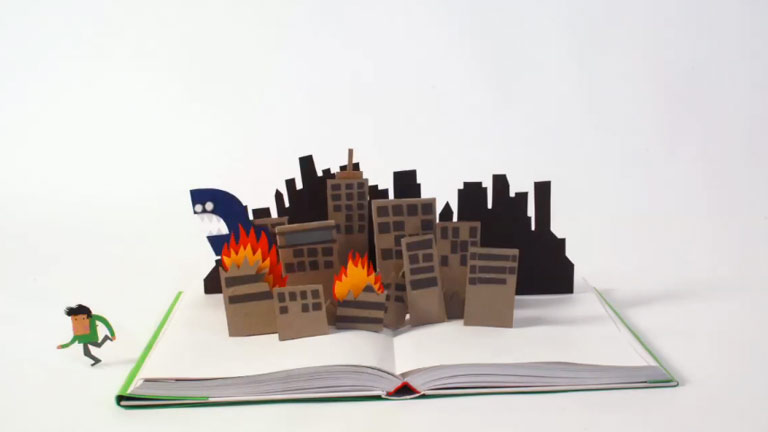
Animated trailers work well when the goal is to suggest mood rather than explain content. A few seconds of motion can signal genre, atmosphere, and seriousness without spelling everything out.
That said, animation does not solve weak positioning. It only highlights what is already there. Authors who see animation as a shortcut usually regret it. Authors who treat it as a supporting piece tend to make better decisions.
The First Mistake Authors Make When Choosing a Company
Most authors start by looking at visuals alone—smooth motion. Clean transitions. Dramatic music. None of that guarantees a useful trailer.
Editors and marketers notice something else first: does the trailer feel like it belongs to a book, or does it feel like a generic video template with book text dropped in?
Many companies can animate. Fewer understand books.
The best company for animated trailers will ask uncomfortable questions early. Who is the reader. Where will the trailer be used. What should the viewer feel after watching it. If those questions are missing, the output usually reflects that gap.
Understanding the Difference Between Video Skill and Publishing Sense
Strong animation skill is necessary, but it is not sufficient.
Publishing has its own rhythms. Genre signals matter. Reader expectations are specific. A trailer for a thriller should not move like one for a children’s book. A nonfiction trailer should not pretend to be cinematic drama.
Authors choosing a company often overlook this and assume quality visuals equal quality strategy. That assumption leads to trailers that look impressive but feel misplaced.
A company that understands publishing will make different choices. Fewer words. Clearer pacing. Imagery that hints rather than explains. Silence where silence works better than sound.
That kind of restraint usually comes from experience, not software.
Questions Authors Should Be Asking Before Hiring Anyone
Authors often ask about price and turnaround time first. Those matter, but they are not the deciding factors.
Better questions reveal more:
- How do you decide what not to include in a trailer
- How do you adapt animation style to different genres
- Where do most authors use these trailers after delivery
- What makes a trailer fail
The answers tell you whether the company has real judgment or just a sales script.
The best company for animated trailers does not promise reach or results. It explains limits. That honesty is usually a good sign.
Why Style Matching Matters More Than Trend Following
Animation trends change fast. What looks modern this year often looks dated the next.
Authors who chase trends end up with trailers that age badly. Authors who focus on clarity and tone usually fare better.
A good company does not push a single visual style. It adapts. It understands when minimal motion works better than complex effects. It knows when to slow things down.
This matters because book trailers are rarely disposable. Authors reuse them across campaigns, websites, and listings. A trailer that relies on short-lived trends loses value quickly.
Choosing the best company for animated trailers often comes down to whether the work feels grounded rather than fashionable.
The Role of Collaboration in a Good Trailer
Authors sometimes expect to hand over a synopsis and receive a finished trailer. That rarely produces strong results.
The best trailers come from collaboration. Not endless revisions, but thoughtful back-and-forth. The author brings insight into the book. The company shapes that insight into motion.
Companies that discourage questions or rush approval usually prioritize speed over quality. Companies that invite discussion usually produce trailers that feel more precise.
This does not mean the author controls the creative process. It means both sides understand the goal and trust each other’s role.
Budget Signals and What They Usually Mean
Price alone does not define quality, but it does signal priorities.
Very low-cost trailers often rely on templates. That does not automatically make them useless, but it limits flexibility. At the other end, high prices do not guarantee better judgment.
Authors should look at what the budget includes. Concept work. Revisions. Format adjustments. Guidance on usage.
The best company for animated trailers is usually transparent about where the money goes. Vague pricing often hides shortcuts.
How Editors and Marketers Judge Trailers Internally
When editors or marketing teams review trailers, they rarely ask whether the animation is impressive. They ask simpler questions.
- Does this feel right for the book.
- Does it respect the reader’s intelligence.
- Does it avoid over-explaining.
Trailers that answer yes to those questions survive longer in campaigns. Others fade out quickly, even if they look expensive.
Authors benefit from thinking the same way. The goal is not admiration. The goal is fit.
Common Red Flags Authors Miss
Some warning signs show up repeatedly.
Companies that guarantee outcomes.
Trailers overloaded with text.
Music that overwhelms the visuals.
A refusal to adjust pacing when asked.
None of these guarantee failure, but together they often do.
Choosing the best company for animated trailers means noticing these signs early, not after delivery.
Making the Final Decision
At the end of the process, authors are choosing a working relationship, not just a product.
The right company listens well, pushes back when needed, and understands that a trailer supports a book rather than competes with it.
Animated trailers can be useful. They can also be wasted effort. The difference usually comes down to the company behind them and the clarity of the author’s expectations.
For authors who approach the decision thoughtfully, animated trailers can become a steady part of their promotional toolkit rather than a one-time experiment.