
In many homes across the USA, aging parents live with their children or close by. At first, health visits are simple. A yearly checkup is done. Medicines are picked up from the pharmacy. Life moves on.
But as the years pass, things change. Doctor visits become more frequent. Blood tests are needed. New tablets are added. Some days are good. Some days are not.
For many families, taking a senior to a clinic becomes a full day task. Work hours are missed. Traffic is faced. Long waits are common. By the time everyone returns home, the patient is tired and the caregiver is exhausted.
This is why at-home clinics are now being used more often. Care is brought to the house. The senior stays where they feel safe. The family feels less pressure.
When Travel Feels Too Hard
For most healthy adults, getting to a clinic by car usually isn’t a big deal. For a senior dealing with weak knees or back pain, even simple tasks can seem like climbing a steep mountain. Putting on clothes takes some time. It takes some effort to walk to the car. Sitting in the same spot for a long time can get uncomfortable. These little things really add up over time.
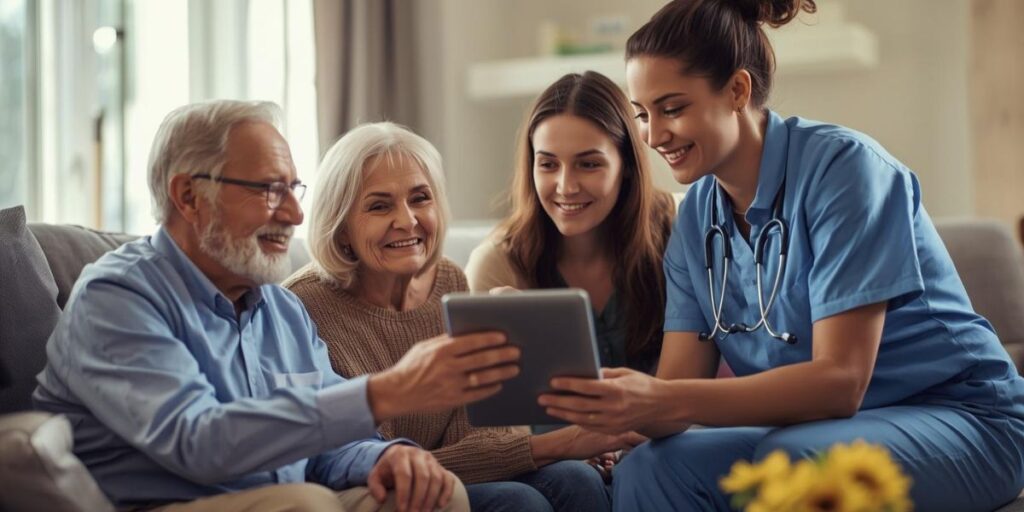
With at-home visits, the patient stays in their own room. The checkup is done at the dining table or beside the bed. Blood pressure is taken. The heart is listened to. Notes are written down.
Less energy is used for travel. More strength is saved for healing.
Helping Families Stay Balanced
Many adults today manage jobs and family at the same time. Some are raising children while also caring for elderly parents. This can be stressful.
When clinic visits are replaced with home visits, time is saved. There is no need to take a full day off. The appointment fits into the daily routine.
During the visit, family members can sit nearby. Questions are asked. Instructions are explained clearly. If something is not understood, it is repeated.
In this way, everyone feels more involved.
Care for Long Term Illness
Many seniors live with long term health problems such as diabetes or high blood pressure. These conditions must be watched closely. If ignored, they can become serious.
Home-based primary services help in such cases. Regular checks are done at home. Sugar levels are reviewed. Medicines are adjusted if needed.
Because visits happen in a familiar place, seniors often feel more relaxed. They speak openly about how they are feeling. Small changes in health are noticed early.
This steady attention helps prevent sudden hospital visits.
Support After Leaving the Hospital
After a hospital stay, seniors may feel weak. New medicines may have been given. Instructions may seem confusing.
Follow up care is important during this time. When at-home clinics provide this care, recovery is watched closely. Wounds are checked. Swelling is observed. Breathing is listened to carefully.
If a problem is seen, action can be taken quickly. Families do not have to guess what to do.
Healing is supported step by step.
Lower Risk of Germ Exposure
Clinics and hospitals treat many sick patients each day. Even with safety rules, exposure to illness can happen.
Seniors often have weaker immune systems. A simple infection can cause serious trouble.
Care given at home reduces contact with crowded waiting areas. The environment is familiar and controlled. This brings comfort to both seniors and their families.
Advice That Fits Real Life
When care is given at home, the provider sees how the senior lives. Stairs, rugs, lighting, and furniture placement are noticed.
Simple suggestions may be given to prevent falls. Medicine storage can be checked. Daily routines can be discussed in a practical way.
Home-based primary services make care more personal. It is not only about test results. It is also about daily living.
This kind of support feels more natural to many families.
Emotional Comfort Matters
Health is not just about the body. Feelings matter too. Many seniors feel nervous in a clinic setting. At home, they are calmer.
They may talk more freely about pain or fear. Family members are close by. The visit feels less formal.
When stress is low, recovery can improve. Confidence grows when seniors feel respected and heard.
Conclusion
At-home clinics are helping many seniors and families across the USA. Travel stress is reduced. Regular health checks become easier. Long term conditions are managed with steady attention.
Families feel more prepared. Seniors feel more comfortable. Care becomes part of daily life instead of a stressful event.
Every family needs to figure out what suits them best. Considering the senior’s health, what the doctor says, and the support they have at home helps make a smart decision. When done right, at-home clinics can offer straightforward and consistent care exactly where it’s needed.