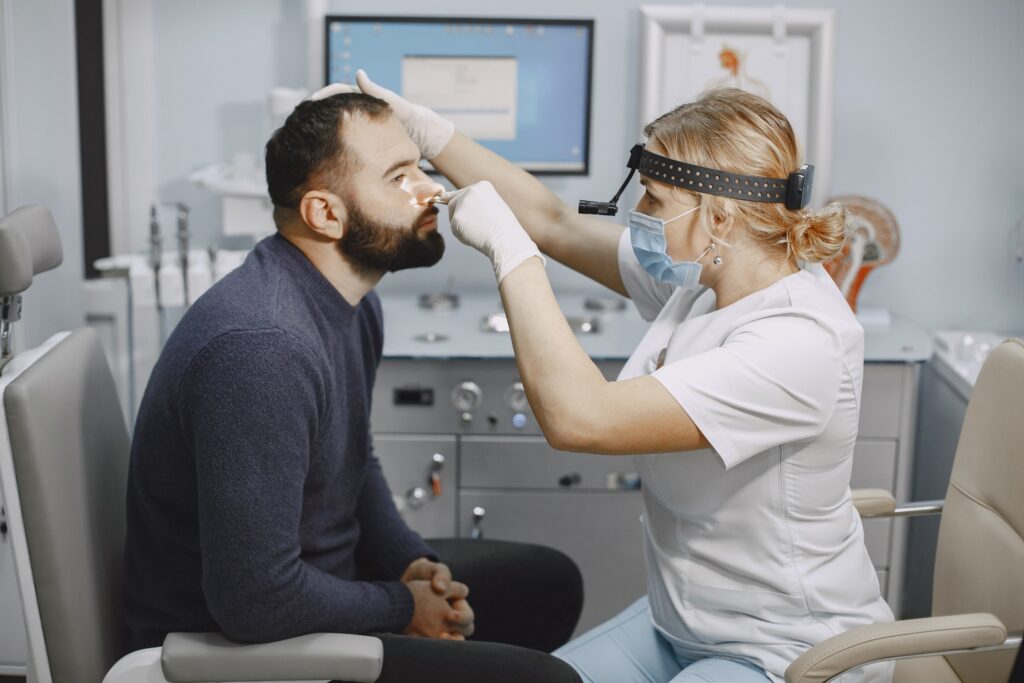

When you live with macular dystrophy, everyday tasks may become harder. You might notice changes in your central vision, making reading, using your phone, or recognizing faces more difficult.
Macular dystrophy affects the macula, the part of the retina that helps you see detail and color. When it does not work properly, central vision can appear blurry or distorted. The condition is often genetic and may appear earlier in life.
Doctors usually monitor the condition through eye exams and help manage vision changes with visual aids and lifestyle adjustments. At the same time, some people explore supportive approaches such as acupuncture as part of their overall eye care plan.
The Role of Acupuncture in Supporting Vision Health with Macular Dystrophy
1. It may support circulation around the eyes
Your eyes depend on a steady flow of oxygen and nutrients. The retina has many small blood vessels that help keep retinal cells active. When circulation is stable, eye tissues receive the support they need.
Acupuncture treatments often focus on points connected to circulation in the head and face. Practitioners believe that stimulating these points may help encourage better blood flow toward the eyes. While this does not treat the genetic cause of macular dystrophy, improved circulation may help support eye function.
Many people choose supportive therapies to care for their eyes in more than one way. Circulation support is one reason why some patients explore acupuncture as part of their routine.
2. It can help you relax and reduce eye strain
If you spend time reading, working on a computer, or using a phone, you may notice eye fatigue more often. With macular dystrophy, focusing on fine detail can require extra effort from your eyes and brain.
Acupuncture sessions often focus on helping the body relax. When muscles around your neck, head, and face relax, some people notice less tension around the eyes. This can make visual tasks feel a little more comfortable.
Relaxation also plays a role in how your body responds to stress. When stress levels go down, your body can function more balanced.
3. It may support nervous system function
Your eyes do not work alone. They communicate with the brain through the nervous system. Signals travel from the retina to the brain so you can process what you see.
Acupuncture is believed to influence the nervous system by stimulating certain pathways. These points may help support how the body sends signals through nerve connections.
Because retinal conditions affect how visual signals are processed, some people look at acupuncture as a way to support overall nervous system balance. When the nervous system functions well, it supports many body systems, including vision.
4. It encourages the body’s natural response systems
Your body constantly works to maintain and repair tissues. These natural responses help support overall health.
During an acupuncture session, very thin needles are placed into specific points on the body. This process is believed to stimulate the body’s internal response systems. Practitioners often describe this as encouraging balance within different organs and tissues.
Because of this approach, some individuals look into acupuncture for macular dystrophy treatment as a complementary method that may support eye wellness alongside medical care.
It is important to remember that supportive therapies should always be discussed with your healthcare providers so your care plan stays coordinated.
5. It may help with stress management
Living with a vision condition can feel stressful, especially when you worry about changes in your eyesight or daily tasks. Stress can affect sleep, focus, and overall well-being.
Acupuncture sessions often create a calm setting that helps you relax. While it does not treat the retinal condition itself, feeling more relaxed can help you manage long-term vision challenges more comfortably.
6. It works alongside regular eye care
Acupuncture should not replace professional eye care. Your eye doctor should always guide your main treatment plan.
Some people use acupuncture as a supportive practice while continuing regular eye exams and recommended treatments. This combined approach may help you manage the condition from different angles.
If you are considering acupuncture for the treatment of macular dystrophy, it is best to consult both your eye specialist and a trained acupuncture practitioner.
7. It promotes a whole-body approach to eye health
Your eyes are closely connected to the rest of your body. Diet, sleep, circulation, and stress all affect how your body functions.
Acupuncture is often part of a holistic health approach that looks at how body systems work together. Many people combine it with healthy habits, such as balanced nutrition, good sleep, and regular eye checkups, to support overall wellness while managing vision changes.
Summary
Macular dystrophy can change how you see, especially when it comes to detailed vision. While there is no simple cure, you can still take steps to support your eye health and overall well-being.
Regular eye exams, medical care, and vision aids remain important. Some people also explore complementary therapies that focus on relaxation, circulation, and nervous system balance.
Acupuncture is one supportive approach that may help reduce stress and support overall wellness when used along with professional eye care. Institutions such as Netra Eye Institute focus on integrative methods that combine traditional practices with modern knowledge of retinal health, helping patients explore informed options for their vision care.