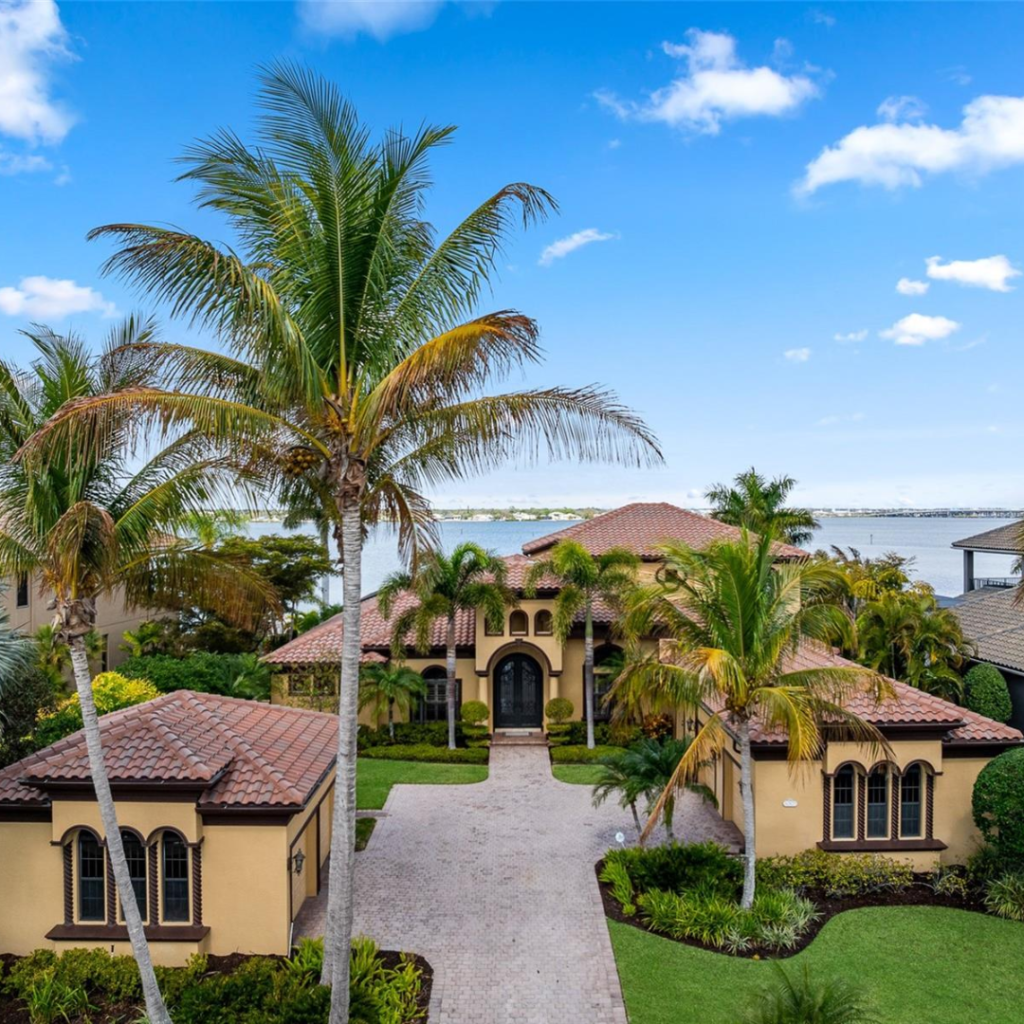

Palmetto has become one of those Florida markets people arrive at after getting priced out somewhere else nearby. Buyers start in Sarasota, look through parts of Bradenton, then eventually land here because the numbers feel more reasonable without completely giving up location. That shift has changed the market over the last few years. Prices still vary, inventory still moves in cycles, but buyers are paying closer attention now. They are asking harder questions before making offers, and honestly, they should be.
The biggest mistake is assuming the listing price tells the whole story. It rarely does. Searching through Homes for Sale in Palmetto, FL gives you access to listings, not necessarily value. Those are two different things. A home can look perfectly priced online and still be sitting above where the market realistically supports it. Another might appear modest but carry stronger long-term value because of condition, location, or timing.
That difference matters more than people think once real money enters the conversation.
How Value Actually Gets Determined
Buyers tend to think valuation is more precise than it really is. They expect a number to exist somewhere that definitively tells them what a house is worth. In practice, it is more layered than that.
In Palmetto, value usually comes down to recent comparable sales, property condition, updates, lot placement, and what buyers are actively responding to at that moment. A home is not worth what someone hopes to get for it. It is worth what the market consistently supports across similar properties.
That is why a Comparative Market Analysis matters. A proper CMA looks beyond active listings and focuses on closed sales with similar characteristics. Square footage alone does not tell much here. One home may back to a quieter preserve while another faces a busier road. One may have updated systems while the other still carries older roofing or HVAC components. Those details change value quickly.
Online valuation tools struggle with that kind of nuance. They pull data well enough, but they cannot fully read context.
Listing Price and Market Value Are Rarely Identical
This is where buyers get tripped up most often. They assume the asking price reflects careful market logic. Sometimes it does. Sometimes it reflects optimism.
In Palmetto, pricing strategies vary more than people expect. Some sellers intentionally list high to leave room for negotiation. Others underprice slightly to create activity. A few simply price emotionally because they have lived in the home for years and see value differently than the market does.
You can usually tell which situation you are walking into once you compare the property against recent neighborhood sales and how long similar homes stayed active.
This is also where working with Christine Walker Realtor, changes the process from reactive to informed. Instead of looking at a price tag and guessing whether it feels fair, buyers start evaluating the home within the broader market around it.
That shift sounds subtle, but it changes decisions completely.
Condition Carries More Weight Than Buyers Expect
Photos flatten reality. They make cosmetic updates feel more important than they actually are. Fresh paint photographs well. New countertops catch attention. Neither tells you much about long-term ownership costs.
Condition matters differently in Florida, especially in coastal-adjacent areas like Palmetto. Roof age, moisture exposure, HVAC performance, and storm-related wear all shape value in ways buyers sometimes overlook during early showings.
You have seen buyers get distracted by finishes while ignoring systems that may need replacement far sooner than expected. On the other side of that, you have also seen older homes dismissed too quickly when the underlying maintenance history was actually strong.
The point is not to become suspicious of every property. It is simple to understand that appearance and value are not automatically linked.
Neighborhood Differences Affect Value Quietly
One thing Palmetto does particularly well is subtle variation. Neighborhoods do not always announce their differences immediately. Sometimes you only notice them after driving through at different times of day.
A home near a main commuter route behaves differently from one deeper inside a residential pocket. Some communities hold pricing stability better because turnover stays low. Others fluctuate more heavily depending on inventory and relocation activity.
Buyers who only compare square footage usually miss these distinctions.
Location here is not just geographic. It is behavioral. How traffic moves. How quiet the streets stay. Whether surrounding properties are consistently maintained. Those factors influence long-term value more than many buyers initially realize.
Timing changes leverage
Palmetto’s market does not move in a perfectly steady line. There are periods where inventory tightens quickly, and buyers feel pressure to move fast. Then there are stretches where homes linger longer, and negotiations soften.
Understanding where the market sits at the moment you make an offer matters more than trying to predict some larger national trend. Real estate is still deeply local, even now.
A strong offer is not always the highest number. Often, it is simply the offer that reflects current conditions most accurately.
Why Valuation Clarity Matters Before Making an Offer
Buyers usually regret two kinds of decisions. Paying too much because they moved emotionally, or walking away from a solid property because they misunderstood the value.
Clear valuation helps avoid both. That is really the purpose of slowing the process down enough to compare sales properly, evaluate conditions honestly, and understand how the neighborhood behaves beyond listing photos. Without that context, buyers tend to react instead of evaluate.
Working with Christine Walker Realtor, helps turn those moving pieces into something more readable. The process becomes less about chasing listings and more about understanding which properties genuinely make sense in the current market. And in a place like Palmetto, that distinction matters.
Conclusion
Buying in Palmetto requires more than finding a house that photographs well. The real work happens underneath the listing price, inside the valuation details, the neighborhood patterns, and the condition factors that shape ownership long after closing.
That is where experience becomes useful in a practical way. A Real Estate Agent in Bradenton, Florida, helps connect pricing to reality, making it easier to separate emotional reactions from informed decisions. In the end, the buyers who feel most confident after closing are usually the ones who understood the market clearly before they made the offer.