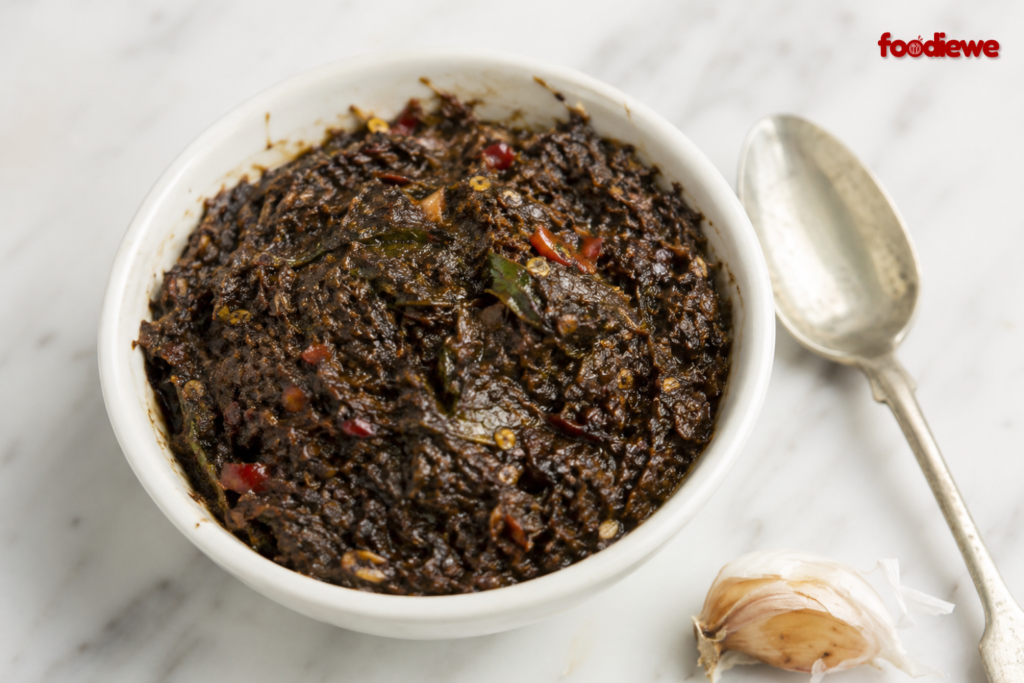

Store-bought gongura chutney will never taste like what your grandmother made, and honestly, most jars don’t even try. That’s a bold claim, but after trying more brands than I’d like to admit, I stand by it. This one’s a straight comparison — what you gain, what you lose, and whether the convenience is actually worth it.
Quick Answer: Homemade gongura chutney generally tastes fresher and more balanced than store-bought versions, since packaged options often add preservatives and extra oil that dilute the leaf’s natural tang.
What Is Gongura Chutney and Why It Became a Street Food Icon
Gongura chutney is a tangy, spicy Andhra Pradesh condiment made from cooked gongura leaves ground with red chilies and garlic, finished with a mustard-curry leaf tempering. It’s popular enough that Andhra Pradesh made gongura its official state leafy vegetable in 2011, and that popularity is exactly why so many brands now sell packaged versions in supermarkets and gongura chutney online stores. The catch is that not all of them follow the traditional Andhra style gongura chutney recipe closely — some cut costs by using less leaf and more filler oil. A homemade batch made with 250g of fresh leaves typically costs under ₹50, while a similar-sized store-bought jar can run ₹150–200.
How to Make Gongura Chutney Without Ruining It
Making gongura chutney at home isn’t complicated, and knowing the process makes it obvious why the store versions taste different. Here’s the actual method:
- Wash and dry the leaves thoroughly before cooking. Store-bought versions often use pre-processed leaves, which lose moisture control and end up with a flatter taste.
- Sauté slowly on medium-low heat until the leaves reduce significantly. Mass production usually means faster, higher-heat cooking, which is part of why packaged chutney tastes less vibrant.
- Cool completely before grinding with chilies and garlic. This step is nearly impossible to replicate at commercial scale, which is one reason homemade always edges out packaged in freshness.
- Finish with a fresh tempering right before serving or storing. Bottled versions are tempered once, weeks before you buy them, so that just-cooked aroma is already gone by the time it reaches your kitchen.
Pro Tip: If making a large homemade batch to store longer, add 1 extra teaspoon of oil per 250g of leaves as a natural preservative — it extends fridge life without needing artificial additives.
The Mistakes That Actually Ruin Gongura Chutney
Whether you’re making it at home or buying it, a few specific issues consistently ruin the experience. Assuming all store-bought jars are equally authentic is the first mistake — ingredient lists vary wildly, and some brands barely use real gongura leaves as the primary ingredient. Skipping the cooling step when making it at home is the second, and it’s the fastest way to end up with a thin, watery batch that doesn’t match what you were expecting. Storing either version in a warm spot instead of the fridge is the third — both homemade and packaged chutney degrade faster than people assume once opened. I’ll be upfront: homemade takes real effort, and if you genuinely don’t have 30 minutes to spare, a decent store-bought jar isn’t a crime — just check the label first. For a thorough walkthrough with exact dough ratios and the tawa heat test explained, the Andhra gongura chutney recipe on Foodiewe.com is one to save.
Tips That Actually Help in an Indian Kitchen
A few practical checks help you get the better version, whichever route you choose. Fresh gongura leaves cost around ₹15–20 a bunch at local markets, making homemade batches genuinely cheap compared to branded jars. If buying, check that gongura chutney ingredients are listed clearly, with real leaves near the top rather than buried after preservatives. A cast-iron kadai at home gives more even heat than most factory setups, which is part of why homemade texture tends to be coarser and more authentic. Coastal Andhra brands sometimes add extra jaggery to appeal to broader taste, while home cooks can adjust that balance to their own preference. Either way, pair it with hot rice and ghee — that combination forgives a lot of small imperfections.
FAQ
Does homemade gongura chutney really taste better than store-bought? Yes, in most direct comparisons homemade gongura chutney has a fresher, more balanced tang since it’s made without preservatives or extended shelf-life additives. Store-bought versions vary widely in quality depending on the brand.
Are there good store-bought gongura chutney brands worth trying? Some regional Andhra brands stay close to traditional recipes and use real gongura leaves as the main ingredient. Reading the ingredient list before buying gongura chutney online helps identify which brands prioritize authenticity over shelf life.
Is store-bought gongura chutney less healthy than homemade? Store-bought versions can contain more oil and sodium as preservatives, making them slightly higher in calories per serving. Homemade batches typically stay under 20 calories per tablespoon since you control the oil and salt directly.
Bottom Line
If you’ve got 30 minutes and access to fresh leaves, homemade gongura chutney wins every time — no real debate there. But a well-chosen store-bought jar isn’t a failure either, as long as you know what to check on the label first.