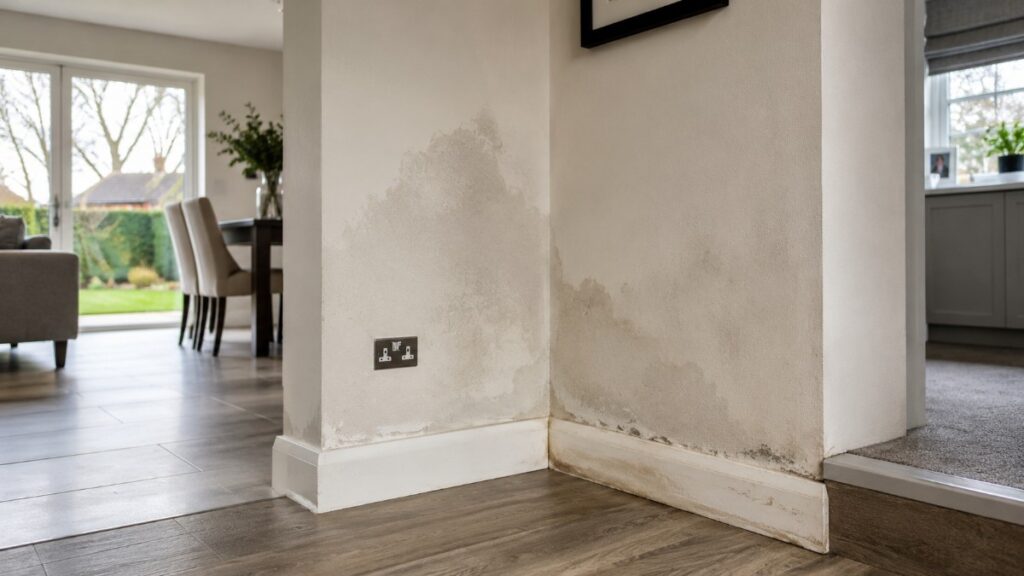

Hidden water leaks create serious problems for homeowners across Hertfordshire every year. Many leaks remain unnoticed behind walls, beneath flooring, or inside heating systems while slowly damaging the property.
What starts as a small pipe leak can eventually lead to mould growth, damaged plaster, rising heating bills, and expensive structural repairs. Unfortunately, many homeowners only notice the problem once visible damage appears.
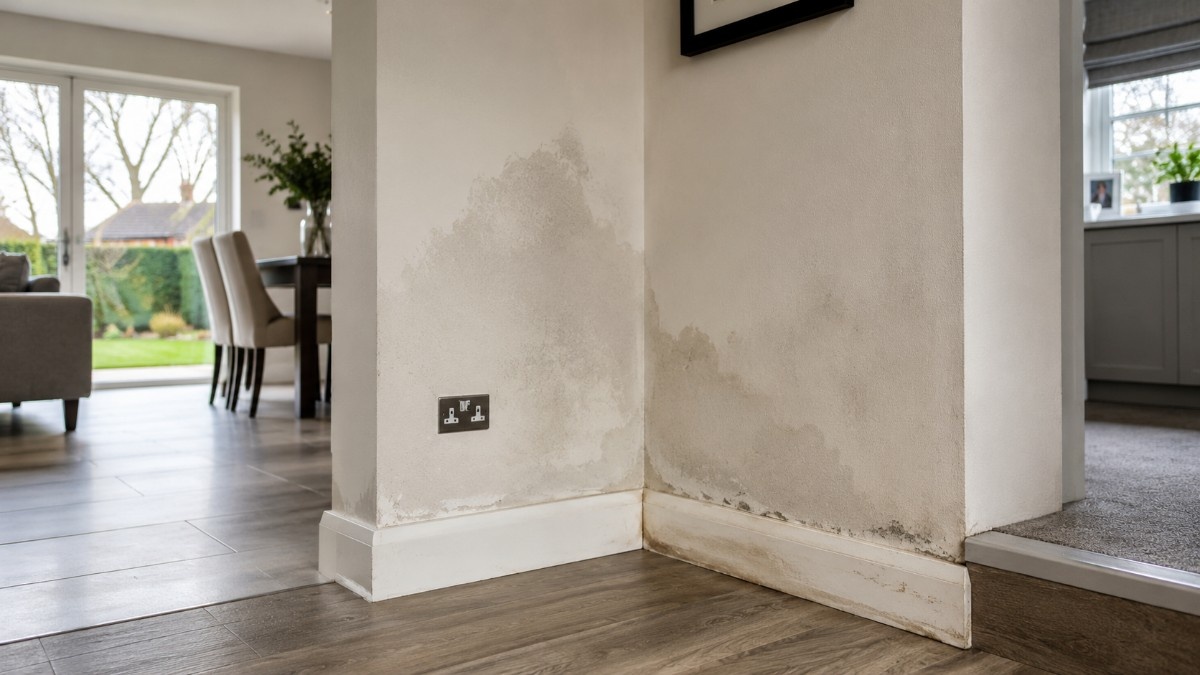
Modern leak detection services now allow specialists to locate hidden leaks quickly and accurately without unnecessary destruction to the property. Companies such as vortex leak detection use advanced non-invasive methods to identify concealed plumbing and heating leaks before they become major repair issues.
Why Hidden Leaks Are So Common
Many properties in Hertfordshire contain concealed pipework beneath floors, inside ceilings, and behind walls. Over time, these systems naturally experience wear and tear.
Leaks often develop because of:
- Corroded pipework
- Weak pipe joints
- High water pressure
- Ageing plumbing systems
- Underfloor heating faults
- Boiler pressure problems
Because most leaks remain hidden, water continues escaping unnoticed for weeks or even months.
This ongoing moisture slowly damages:
- Flooring
- Walls
- Ceilings
- Timber structures
- Insulation
- Electrical systems
Early detection remains the best way to avoid large-scale repair costs.
Common Warning Signs of Hidden Water Leaks
Homeowners should never ignore unusual signs within the property. Even small changes may indicate a hidden leak.
Constant Boiler Pressure Loss
One of the most common warning signs involves regular boiler pressure drops. If the heating system needs frequent repressurising, hidden pipe leakage may exist somewhere within the system.
Professional heating leak detection services help identify concealed leaks beneath floors and inside walls without unnecessary disruption.
Damp Smells and Mould Growth
Persistent musty smells often indicate trapped moisture inside walls or under flooring.
Mould commonly appears around:
- Skirting boards
- Window frames
- Ceilings
- Corners of rooms
Excess moisture also affects indoor air quality and may create health concerns for occupants.
Warm Spots on Floors
Hidden heating leaks sometimes create unusual warm areas on tiled or wooden flooring.
This issue often occurs when central heating pipes leak beneath the surface.
Unexpectedly High Water Bills
A sudden increase in water usage may suggest concealed leakage within the plumbing system.
Even small leaks waste significant amounts of water over time.
Cracks or Peeling Paint
Moisture trapped behind walls often weakens plaster and paint finishes. Bubbling paint or cracked surfaces may indicate hidden water damage.
Why Early Leak Detection Matters
Delaying leak investigations almost always increases repair costs. Water damage spreads quietly through the property while hidden leaks remain untreated.
Early leak detection helps prevent:
- Structural damage
- Mould contamination
- Timber rot
- Ceiling collapse
- Damaged flooring
- Heating inefficiency
Modern technology now allows engineers to locate leaks accurately while reducing unnecessary property damage.
Non-Invasive Leak Detection Methods
Traditional leak investigations often involved lifting flooring or breaking walls to search for damaged pipes. Today, specialist equipment makes the process far more precise.
Thermal Imaging
Thermal cameras identify temperature differences caused by escaping water or heating system leaks.
This method works particularly well for:
- Underfloor heating systems
- Central heating leaks
- Hidden pipework
- Moisture mapping
Acoustic Leak Detection
Acoustic equipment listens for sound frequencies produced by escaping water under pressure.
This technology helps trace:
- Underground leaks
- Internal pipe leaks
- Water mains leaks
Tracer Gas Detection
Tracer gas systems inject harmless gas into pipework. The gas escapes through damaged sections and becomes detectable using specialist sensors.
This method provides excellent accuracy for concealed leaks beneath solid flooring.
Older Properties in Hertfordshire Face Higher Risks
Many older homes across Hertfordshire feature ageing plumbing systems hidden beneath renovated flooring and extensions.
Properties with:
- Older copper pipes
- Historic renovations
- Underfloor heating
- Loft conversions
- Older boilers
often require specialist leak investigations when pressure loss or damp issues appear.
Older pipework naturally becomes weaker over time, increasing the risk of hidden water damage.
Hidden Heating Leaks and Energy Efficiency
Heating leaks do more than damage property. They also reduce heating efficiency significantly.
When water escapes from the system:
- Boilers work harder
- Energy usage increases
- Heating performance drops
- Running costs rise
Many homeowners continue topping up boiler pressure without fixing the actual problem.
A professional inspection from vortex leak detection helps locate the source quickly while protecting the property from unnecessary disruption.
Insurance Claims and Leak Detection Reports
Many insurance companies now request specialist leak detection reports before approving trace and access claims.
Professional reports often include:
- Leak location findings
- Moisture readings
- Thermal images
- Photographic evidence
- Repair recommendations
Accurate documentation helps homeowners support insurance claims more effectively.
How Professional Leak Detection Saves Money
Some homeowners avoid leak investigations because they worry about costs. However, hidden leaks almost always become more expensive over time.
Professional leak detection helps reduce:
- Water waste
- Heating inefficiency
- Repair costs
- Emergency plumbing callouts
- Structural repairs
Finding leaks early often prevents major renovation work later.
Final Thoughts
Hidden leaks can quietly cause severe damage inside Hertfordshire homes. Small leaks often lead to expensive repairs when left untreated for long periods.
Modern leak detection technology
allows specialists to locate concealed leaks accurately without unnecessary destruction to floors or walls. Early investigation protects the property, reduces heating costs, and prevents serious structural damage.
Homeowners who notice boiler pressure loss, damp smells, mould growth, or rising water bills should always investigate the issue professionally before it worsens.
Frequently Asked Questions
1. What causes hidden water leaks in homes?
Hidden leaks usually develop because of corroded pipes, weak joints, ageing plumbing systems, or damaged heating pipework.
2. Can hidden leaks damage my property?
Yes. Hidden leaks may cause mould growth, damaged flooring, weakened walls, ceiling damage, and structural problems if left untreated.
3. How do specialists find hidden leaks?
Professional engineers use thermal imaging, acoustic detection, tracer gas systems, and moisture meters to locate concealed leaks accurately.
4. Is boiler pressure loss a sign of a leak?
Yes. Frequent boiler pressure drops often indicate hidden leaks within the heating system.
5. Can leak detection happen without damaging floors or walls?
Yes. Modern non-invasive leak detection methods minimise disruption while locating leaks accurately.