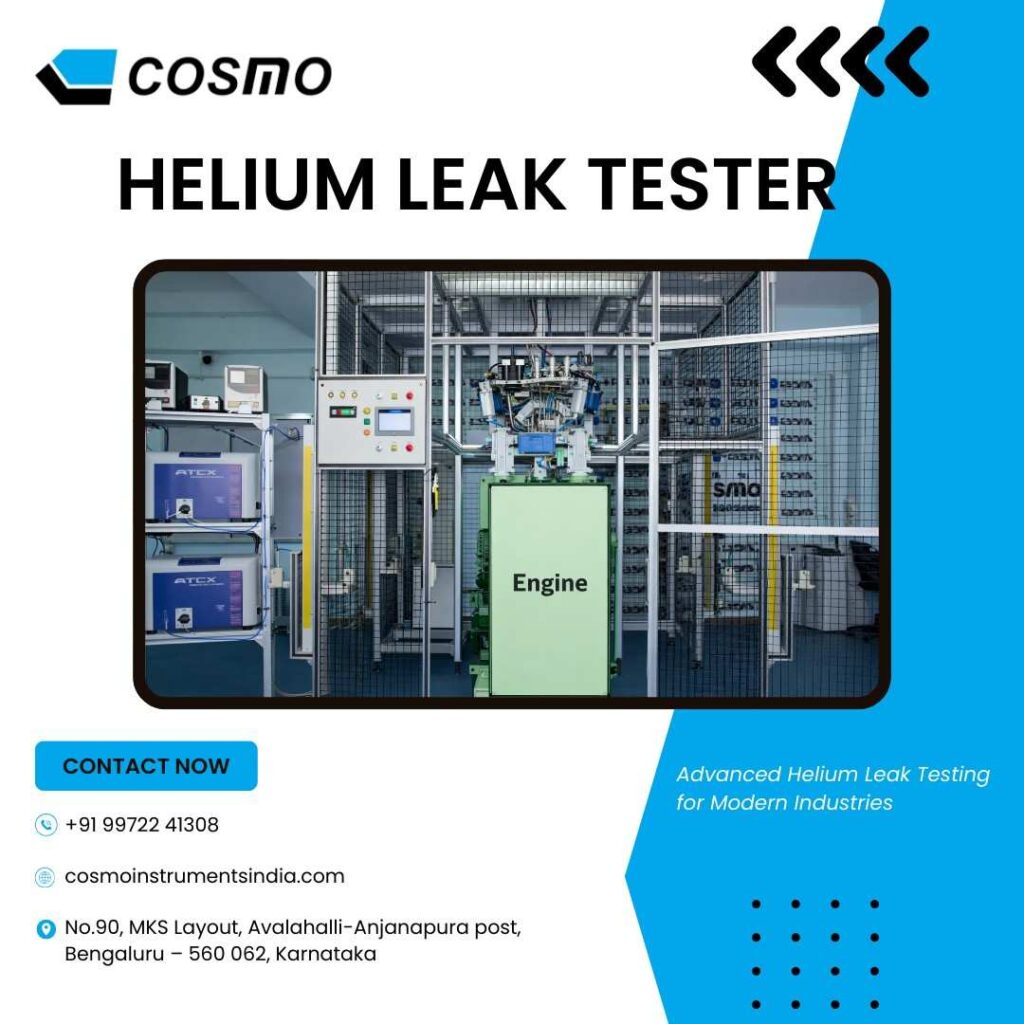

Ensuring Superior Product Integrity with Advanced Leak Detection Technologies
In today’s highly competitive and quality-driven manufacturing landscape, maintaining product integrity is no longer optional—it is essential. Industries such as automotive, electronics, HVAC, medical devices, and refrigeration demand precision, reliability, and strict adherence to safety standards. One of the most critical aspects of ensuring these requirements is effective leak detection. Even the smallest, undetectable leak can compromise product performance, reduce lifespan, and lead to costly recalls or safety hazards. This is where advanced helium leak testers and hydrogen-based leak detection systems play a transformative role.
The Importance of Leak Detection in Modern Manufacturing
Leak detection is a fundamental quality control process used to verify the integrity of sealed systems and components. Whether it’s a fuel system in a vehicle, a cooling circuit in an HVAC unit, or a sterile package in a medical device, leaks can lead to inefficiencies, contamination, or even catastrophic failure.
Traditional leak detection methods, such as bubble testing or pressure decay, often fall short when it comes to identifying extremely small leaks. These limitations have driven the adoption of more advanced technologies that offer higher sensitivity, faster testing cycles, and more reliable results.
Why Helium is the Preferred Tracer Gas
Helium has become the gold standard in leak detection for several compelling reasons. Its small atomic size allows it to pass through even the tiniest openings, making it ideal for detecting microscopic leaks. Additionally, helium is inert, non-toxic, and non-flammable, ensuring safe usage across a wide range of applications.
Another key advantage of helium is its low natural concentration in the atmosphere, which minimizes background interference during testing. This enables helium leak testers to deliver highly accurate and repeatable results, even in demanding industrial environments.
Advanced Helium Leak Testing Technology
Modern helium leak testers are equipped with cutting-edge features that significantly enhance their performance and usability. These systems utilize high-sensitivity sensors capable of detecting leaks as small as 10⁻¹² mbar·L/s, making them suitable for even the most stringent quality requirements.
Automation is another defining characteristic of contemporary helium leak detection systems. Automated testing processes reduce human error, increase throughput, and ensure consistent testing conditions across production batches. These systems can be seamlessly integrated into manufacturing lines, enabling real-time quality control without disrupting workflow.
Furthermore, advanced data analysis capabilities allow manufacturers to monitor trends, identify recurring issues, and implement corrective actions promptly. This data-driven approach not only improves product quality but also contributes to continuous process optimization.
Hydrogen Leak Detection: A Cost-Effective Alternative
While helium remains the benchmark for precision leak detection, hydrogen-based systems offer a practical and cost-effective alternative for many applications. Hydrogen leak detectors typically use a forming gas mixture (usually 5% hydrogen and 95% nitrogen), which is safe and easy to handle.
Hydrogen molecules are also very small, enabling effective detection of fine leaks. These systems are particularly advantageous in applications where ultra-high sensitivity is not required but speed and cost efficiency are critical.
Hydrogen leak detection systems are known for their rapid response times and portability, making them suitable for both production line testing and field maintenance. Their versatility allows manufacturers to adapt leak detection strategies based on specific operational needs.
Applications Across Key Industries
The adoption of helium and hydrogen leak detection technologies spans a wide range of industries:
- Automotive Industry: Ensures the integrity of fuel systems, air conditioning units, and battery enclosures in electric vehicles.
- Electronics Manufacturing: Protects sensitive components from moisture and contaminants by verifying hermetic seals.
- HVAC Systems: Maintains energy efficiency and environmental compliance by preventing refrigerant leaks.
- Medical Devices: Guarantees sterility and safety in devices such as pacemakers, catheters, and pharmaceutical packaging.
- Refrigeration Industry: Supports performance and sustainability by ensuring leak-free cooling systems.
In each of these sectors, precision leak detection directly contributes to product reliability, regulatory compliance, and customer satisfaction.
Enhancing Production Efficiency and Reducing Costs
Implementing advanced leak detection systems offers significant operational benefits. By identifying defects early in the production process, manufacturers can reduce scrap rates, minimize rework, and avoid costly recalls. Automated systems also improve testing speed, allowing higher production volumes without compromising quality.
Moreover, the ability to detect and address leaks proactively helps extend product lifespan and reduce warranty claims. This not only enhances brand reputation but also leads to substantial cost savings over time.
Supporting Regulatory Compliance and Sustainability
Regulatory standards across industries are becoming increasingly stringent, particularly in areas related to safety, environmental protection, and energy efficiency. Advanced leak detection technologies help manufacturers meet these requirements by ensuring that products adhere to specified performance criteria.
In addition, preventing leaks—especially of harmful gases or refrigerants—supports environmental sustainability efforts. By reducing emissions and improving energy efficiency, manufacturers can align their operations with global sustainability goals.
Integration with Smart Manufacturing Systems
As industries move toward Industry 4.0, leak detection systems are evolving to become more intelligent and interconnected. Modern systems can be integrated with manufacturing execution systems (MES) and industrial IoT platforms, enabling real-time monitoring and control.
This connectivity allows for predictive maintenance, remote diagnostics, and enhanced decision-making. Manufacturers can gain deeper insights into their processes, optimize resource utilization, and maintain consistent quality across production lines.
Choosing the Right Leak Detection Solution
Selecting the appropriate leak detection technology depends on several factors, including required sensitivity, production volume, budget, and application type. Helium leak testers are ideal for applications demanding the highest precision, while hydrogen-based systems offer a balance of performance and cost efficiency.
It is essential for businesses to partner with experienced providers who can offer customized solutions tailored to their specific needs. Factors such as system durability, ease of integration, and after-sales support should also be considered when making an investment.
Conclusion
In an era where precision and reliability define success, advanced leak detection technologies have become indispensable for modern manufacturing. Helium leak testers and hydrogen-based systems provide the accuracy, efficiency, and scalability needed to meet evolving industry demands.
By investing in these cutting-edge solutions, manufacturers can ensure superior product quality, enhance operational efficiency, and maintain compliance with stringent regulations. Ultimately, effective leak detection is not just about identifying defects—it is about building trust, ensuring safety, and delivering excellence in every product.
Website: https://cosmoinstrumentsindia.com/helium-leaktester/