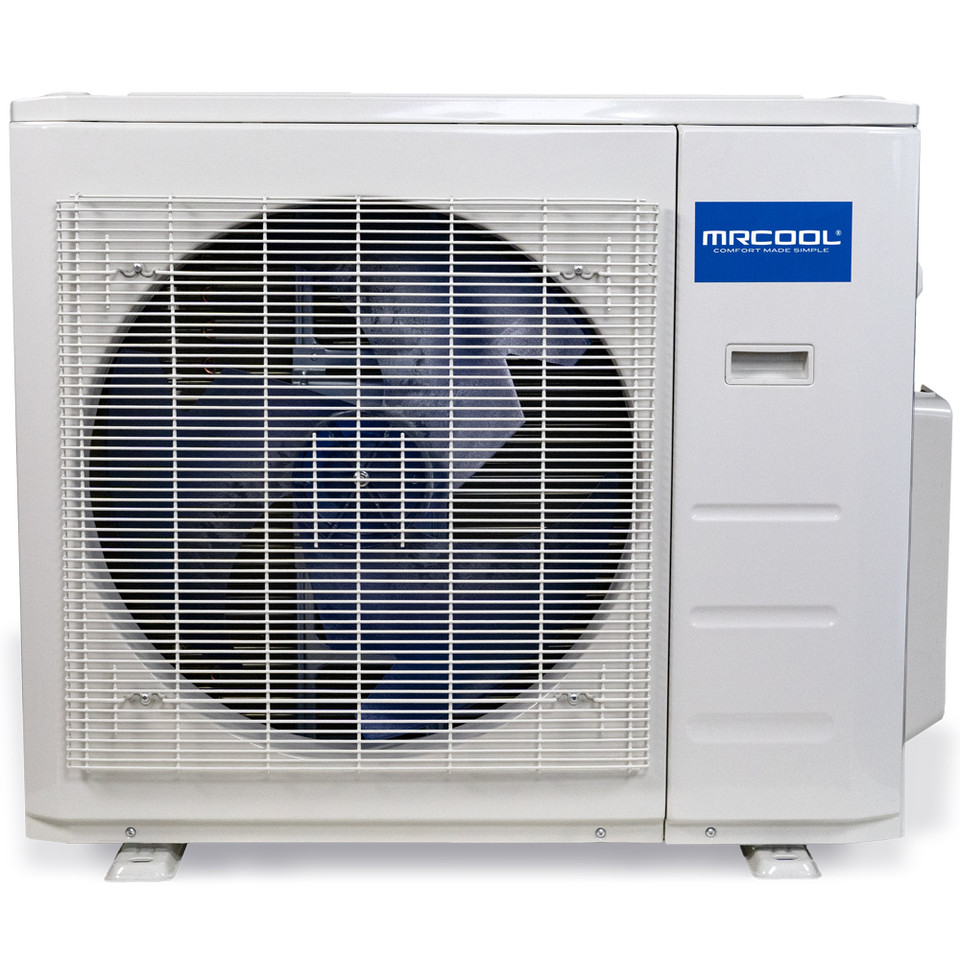

Many homeowners struggle with uneven temperatures and rising energy bills, even after constantly adjusting their thermostats. This daily frustration wastes energy and disrupts comfort. However, the true solution lies outdoors. A properly functioning heat pump condenser enhances heat transfer, balances indoor temperatures, and optimizes energy use. By working efficiently across all seasons, it ensures consistent, reliable comfort while lowering overall operating costs.
Why Thermostat Changes Do Not Solve Comfort Problems
Thermostats control temperature settings, not system efficiency. When the outdoor condenser underperforms, indoor adjustments deliver limited results. True comfort depends on efficient heat exchange, which only a properly functioning heat pump condenser can provide consistently.
How Ignoring the Outdoor Unit Increases Energy Bills
A neglected outdoor unit forces the system to work longer. This increases electricity usage and reduces efficiency. Over time, comfort decreases while operational costs rise. Maintaining condenser performance ensures balanced temperatures and prevents unnecessary energy waste.
How a Heat Pump Condenser Improves Heating and Cooling Performance
A heat pump condenser transfers heat instead of creating it. This process improves system efficiency and comfort. When working correctly, it supports stable temperatures, smoother airflow, and reliable heating and cooling throughout the home.
The Role of the Outdoor Unit in Heat Transfer
The outdoor unit absorbs or releases heat depending on the season. This controlled exchange allows the system to regulate indoor temperatures efficiently. Proper heat transfer ensures comfort without excessive energy consumption.
Why Outdoor Performance Affects Indoor Comfort
Indoor airflow depends on outdoor efficiency. If heat exchange weakens, rooms feel uneven. A strong condenser maintains steady performance, ensuring consistent comfort without frequent manual adjustments.
Seasonal Performance of a Heat Pump Condenser
Heat pump condensers adjust to seasonal demands automatically. They cool efficiently in summer and provide warmth during winter, offering reliable comfort year-round with lower energy usage.
Removing Indoor Heat During Summer
In hot weather, the condenser releases indoor heat outdoors. This process cools living spaces effectively. Proper airflow ensures fast heat removal and prevents system overload.
Absorbing Outdoor Heat in Winter
Even cold air contains usable heat. The condenser captures this heat and transfers it indoors. This method provides efficient heating while reducing dependence on traditional systems.
Why Correct Condenser Sizing Matters
Proper sizing ensures balanced system operation. A correctly sized condenser maintains stable temperatures, reduces cycling, and improves long-term efficiency without wasting energy.
Problems Caused by Oversized Condensers
Oversized units cool or heat too quickly. This causes frequent shutdowns, uneven comfort, and poor humidity control. Rapid cycling also increases wear on system components.
Efficiency Issues With Undersized Units
Undersized condensers struggle to meet demand. They run continuously, consuming more power and increasing strain. This results in higher bills and reduced system lifespan.
How Outdoor Placement Improves Condenser Efficiency
Correct placement allows unrestricted airflow. A well-positioned condenser operates efficiently, avoids overheating, and delivers consistent performance throughout the year.
Importance of Proper Airflow Clearance
Clear airflow helps the condenser release or absorb heat efficiently. Adequate spacing improves performance, lowers energy use, and supports stable comfort.
How Obstructions Reduce System Performance
Blocked airflow traps heat and forces the system to work harder. Removing debris and maintaining open space improves efficiency and prevents performance loss.
Inverter Technology for Consistent Comfort
Inverter technology adjusts output gradually instead of starting and stopping frequently. This results in smoother operation, better temperature control, and reduced energy consumption.
Smooth Speed Control for Stable Temperatures
Variable speed operation adapts to demand. This prevents sudden temperature changes and maintains comfort throughout the day.
Lower Energy Use Through Controlled Operation
Controlled speed minimizes wasted energy. The system runs efficiently, delivering comfort without unnecessary power spikes.
Reduced Cycling for Long-Term Efficiency
Reduced cycling limits wear on components. This improves efficiency, lowers maintenance needs, and extends system lifespan.
Less Mechanical Stress on System Parts
Fewer start-stop cycles reduce strain on motors and compressors. This ensures reliable performance and consistent comfort.
Improved Efficiency Over Time
Stable operation preserves efficiency. Homeowners benefit from lower energy bills and dependable comfort across all seasons.
Quiet Operation That Enhances Daily Living
Modern heat pump condensers operate quietly. Reduced noise improves comfort, especially in residential areas and near living spaces.
Low-Noise Airflow Design
Advanced fan technology minimizes vibration and sound. Smooth airflow ensures quiet performance without sacrificing efficiency.
Ideal for Bedrooms and Work Areas
Quiet systems support restful sleep and focused work. Comfort remains uninterrupted throughout the day and night.
Conclusion
A heat pump condenser plays a critical role in maintaining indoor comfort and energy efficiency. From proper sizing and placement to advanced inverter technology, every factor impacts performance. Investing in the right condenser ensures consistent temperatures, lower energy bills, and reliable comfort throughout the year.