
Some family wounds linger long after childhood ends. They shape the way we trust, respond, communicate, and even perceive ourselves at times. A harsh word said for years, a home filled with violence, an emotionally absent parent, or a loss not fully processed can leave marks that don’t just fade with time.
Many people spend years wishing they could go back and change what happened. The truth is that healing seldom starts by changing the story. It begins with facing it honestly and understanding how those experiences continue to impact today’s Family Dynamics.
The Burden of What Happened
First, families are where we learn about relationships. They teach us what love is, how to resolve conflict, and whether it’s safe or dangerous to be vulnerable. If those first lessons are steeped in instability, fear, neglect, or abuse, the effects can linger well into adulthood.
That is precisely what the story of Sandra L. Kearse-Stockton is about. Her 480 Codorus Street trilogy shares experiences that many would prefer to keep buried. To revisit domestic violence, hardship, uncertainty, and emotional pain is not simple. Her honesty about her past is what makes her work connect with readers. What is striking is not the suffering. It is the refusal to give suffering the last word
Many people with family wounds are not searching for perfection. They want relief. They want to stop being stuck in memories that still affect relationships and choices today.
The Importance of Honesty in Healing
Healing from the past is not rewriting it. We have a way of rewriting the past, downplaying the pain of what happened or convincing ourselves it was not as damaging as it really was. It might seem easier at the moment, but avoidance has a way of coming back later.
But healing takes something tougher. It asks us to see what happened, without letting it be everything that comes next.
This process often includes:
- Hard truths coming to terms
- Releasing Self-Blame
- Spotting unhealthy patterns
- Learning how to communicate better
- Making space for forgiveness when it’s needed
We misunderstand acceptance. This is not to say that harmful actions are condoned. It just means you can see reality clearly enough to move forward.
Sandra L. Kearse-Stockton’s Story Teaches What?
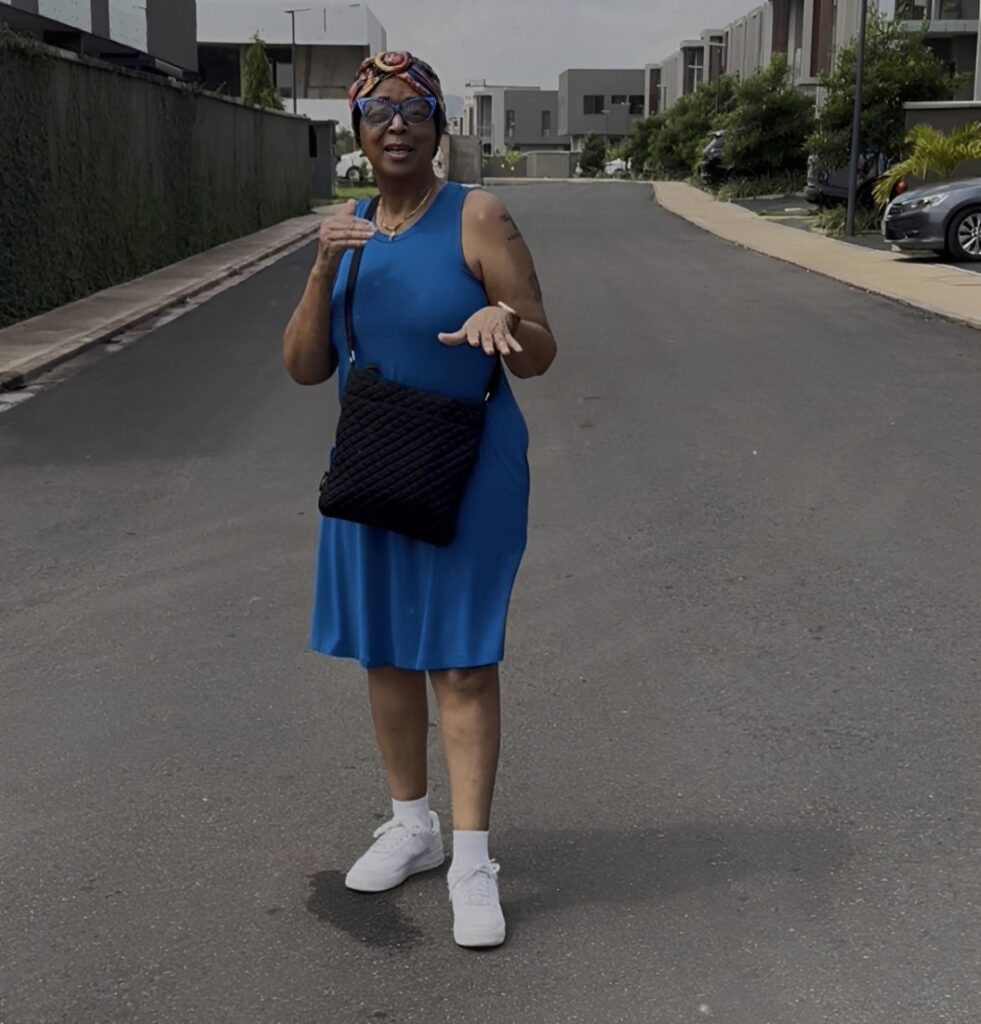
Sandra L. Kearse-Stockton’s life is a testament to resilience. She lived in York, PA, and had life-altering moments. She still went another way, however. Her journey ultimately led her to a very successful military career, many awards, being a mother, a foster parent, and being a successful writer of truth and purpose. That progress matters.
Often, people believe that trauma locks a person in the person they are; it does not. Too many people think that trauma is forever, and a person can never be a different type of person. Sandra L. Kearse-Stockton’s tale calls it into question. Her story brings the reminder to us that pain and power can be in the same story.
The 480 Codorus Street trilogy is a series that attracts the reader because there’s no easy or quick healing. It is a continuous choice for healing.
Lessons to be learned from her story are:
- The ability to rise again can be cultivated.
- Purpose does not equal Pain.
- It takes time to forgive.
- Faith is a stabilizing force in times of uncertainty.
- Personal history does not equal personal destiny.
These lessons remain relevant for all those who may be experiencing challenging relationships in their families.
Understanding Family Dynamics
Patterns are found in all families. Some patterns assert relationships. While others kill them in silence.
Several Unhealthy Family Dynamics start way before anyone realizes. Children imitate their parents in coping with stress, arguing and reconciling, expressing love, and dealing with disappointments. Such observations can become a habit if they’re the ones that stick with you throughout your life.
Common Patterns may be:
- Avoiding tough conversations
- Rather than criticism, communicate.
- Blocking emotions
- Not addressing anger issues
- Cycles of abuse or neglect are recurrent
- Difficulty establishing good boundaries
With no reflection, these behaviors can be taught to each other generation after generation.
To understand how to stop those cycles. It calls for a questioning of easy behaviours and a challenging of common questions. At times it is uncomfortable, but if it were not uncomfortable, it wouldn’t be change.
Creating Tomorrow’s World
Reconciliation of family wounds is not only about letting go of the past. It’s also about making decisions about what to do next. That choice can manifest itself in the little things we do each day. Learning to be patient in conflict situations. Listen, don’t react. Setting boundaries without feeling bad. Seeking assistance when necessary.
Being compassionate towards others and attending to your own health. Such actions can seem mundane, but over time, they can change the dynamics and support healthier generations to come.
Sandra L. Kearse-Stockton’s writing always leaves her readers with a sense of hope. Not a Pollyanna optimism, but the kind of hope that is born of perseverance. The conviction that individuals can experience trials and tribulations, yet live good lives. It’s a message that’s all the more effective because it’s from experience, not theory.
Conclusion
Healing the wounds in a family without changing the past takes courage. It reminds us to acknowledge uncomfortable moments, extract wisdom, and refrain from letting them control our destiny. This is not a story about forgetting where you came from, as described by Sandra L. Kearse-Stockton. It’s not about not wanting to be there. By reflecting on and practicing their faith, people may be able to break cycles of destructive behavior, and build better relationships in the future. For tools that can be used to start healthy conversations across generations, go to Books About Family Relationships for Kids for empathy, understanding, and lifelong connections.