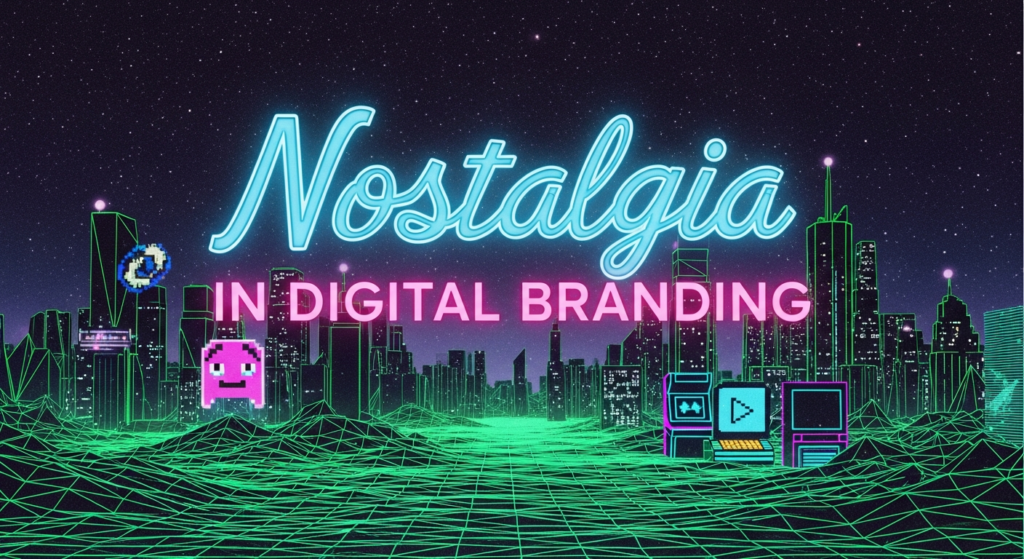

In a world where digital trends change in the blink of an eye, the most forward-thinking marketing strategy may actually involve looking back. Nostalgic branding in digital marketing has emerged as a powerhouse tactic, allowing companies to cut through the clinical feel of modern algorithms by tapping into the deep-seated emotions of their audience. By evoking the “golden days” of the past, brands can bypass traditional consumer skepticism and build an immediate sense of trust and safety. This approach transforms a standard digital interaction into a meaningful emotional experience, proving that the fastest way to a consumer’s heart is often through their memory.
The Science of Sentiment: Why Our Brains Crave the Past
Nostalgia is far more than just a “throwback” post on social media; it is a neurological event. When we encounter familiar imagery, sounds, or themes from our formative years, our brains release a cocktail of dopamine and oxytocin. This chemical reaction creates a “warm-and-fuzzy” feeling that consumers naturally project onto the brand presenting the content.
According to strategic insights from Brand Promo Tips, this emotional resonance functions as a shortcut to brand equity. In an era where new companies appear overnight, a brand that references a shared cultural history feels established, reliable, and human. By leveraging these existing positive memories, digital marketers can foster a level of engagement that high-gloss, futuristic campaigns often struggle to achieve.
Why “Retro” Wins in a High-Tech World
The paradox of the modern era is that as we move faster toward an automated future, we crave the tactile, analog stability of the past even more. There are several tactical reasons why nostalgic branding in digital marketing is performing so well:
-
Instant Differentiation: While competitors chase sleek, minimalist “corporate” aesthetics, a brand using 8-bit graphics or 1970s “technicolor” styles stands out instantly in a crowded scrolling feed.
-
The “Anemoia” Effect: Younger generations, particularly Gen Z, often feel nostalgia for eras they never lived through. They find the “lo-fi” feel of the 90s and Y2K eras to be authentic and “aesthetic.”
-
Lowered Resistance: Nostalgia bypasses the typical “sales” filters of the brain. Because the content feels familiar, consumers are more likely to stop, engage, and share.
-
Universal Storytelling: Using a specific era as a theme provides an instant narrative framework, allowing a brand to communicate its values without needing heavy explanatory text.
Building a Modern Campaign on a Vintage Foundation
Successfully executing this strategy requires a delicate balance between “old-school” charm and “new-school” performance. To get it right, marketers should follow a clear, strategic framework.
1. Identify Your Authentic Heritage
The first step is finding a connection that feels genuine. An established company might digitize its original 1980s print ads for a social media campaign. A newer startup might align with a cultural trend—like the resurgence of vinyl or classic arcade aesthetics—that resonates with its industry. As emphasized by Brand Promo Tips, authenticity is the key; if the nostalgia feels forced, the audience will sense the disconnect immediately.
2. Mastering the “Newstalgia” Balance
The most successful campaigns utilize “Newstalgia”—the practice of wrapping modern functionality in a vintage package. Your Instagram filter might look like a grainy 1970s film, but the “Link in Bio” should lead to a lightning-fast, mobile-optimized checkout. This creates a “surprise and delight” moment where the user gets the emotional comfort of the past with the convenience of 2026.
3. Sensory Integration Across Channels
Digital platforms allow for a multi-sensory journey into the past. Consider how you can use:
-
Visuals: Use neon accents, Polaroid-style frames, or “pixel art” typography.
-
Audio: Incorporate the “start-up” sounds of old computers or the crackle of a record needle in your video transitions.
-
Copywriting: Use storytelling that references “simpler times” or updates classic slogans with a modern twist.
Measuring the ROI of Memory
To ensure your nostalgic efforts are driving growth, you must track more than just vanity metrics. Monitor “save” rates on Instagram—nostalgic content is highly “saveable” as it functions as digital memorabilia. A/B test a modern, sleek ad creative against a “throwback” version to see which yields a higher click-through rate. Often, the emotional safety of a nostalgic ad leads to a higher conversion rate because consumers feel a pre-existing sense of trust.
Conclusion: The Future belongs to the Familiar
Nostalgic branding in digital marketing proves that while technology evolves, the human heart remains constant. By celebrating the memories that shaped us, brands can move beyond being mere vendors and become a cherished part of their customers’ lives. In an increasingly automated world, the brands that win will be the ones that remember to stay human.
Read the full article here: https://www.brandpromotips.com/nostalgic-branding-in-digital-marketing/
#DigitalMarketing #NostalgicBranding #BrandGrowth