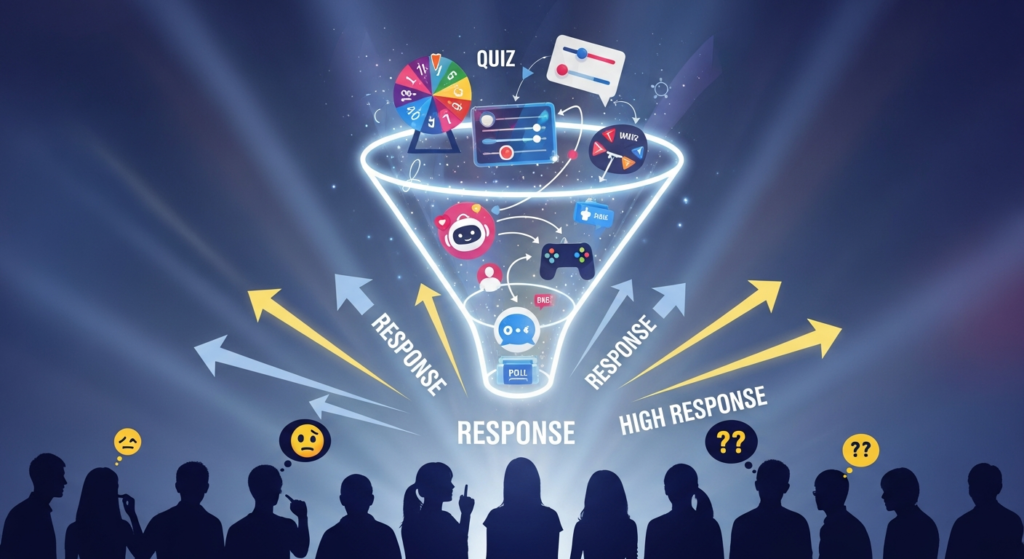

In today’s fast-paced digital environment, outbound marketing has become increasingly challenging. Consumers are constantly bombarded with emails, ads, and promotional messages, making it difficult for brands to capture and hold their attention. Traditional outbound strategies—such as cold emails and static advertisements—often fail to generate meaningful engagement. To overcome this challenge, businesses are now turning to interactive content as a powerful way to boost response rates and create memorable customer experiences.
Interactive content refers to any type of content that requires active participation from users rather than passive consumption. This includes quizzes, polls, surveys, calculators, interactive infographics, assessments, and even gamified experiences. By encouraging users to engage directly, interactive content transforms outbound marketing from a one-way communication channel into a two-way conversation.
One of the most significant benefits of interactive content is its ability to capture attention instantly. When a user receives an email or message that invites them to take a quiz or participate in a poll, it naturally sparks curiosity. This curiosity drives clicks and interactions, leading to higher engagement rates compared to traditional formats. Instead of scrolling past your message, users become part of the experience, making your campaign more effective.
Another major advantage is enhanced personalization. Interactive content allows marketers to collect real-time data about their audience’s preferences, interests, and behaviors. For example, a product recommendation quiz can reveal what a customer is looking for, enabling businesses to send tailored follow-up messages. This level of personalization makes communication more relevant, increasing the likelihood of conversion. Customers are far more responsive to content that feels specifically designed for them.
Interactive content also plays a crucial role in improving lead generation. Rather than presenting users with long and often tedious forms, businesses can gather information gradually through engaging interactions. For instance, a survey or assessment can ask simple questions and then request contact details at the end in exchange for results or insights. This approach reduces friction and makes users more comfortable sharing their information, resulting in higher-quality leads.
In addition to generating leads, interactive content provides valuable insights that can help refine marketing strategies. Every interaction offers data—what users click, how they respond, and where they drop off. This information helps marketers understand what resonates with their audience and what doesn’t. With these insights, businesses can continuously optimize their outbound campaigns for better performance and higher return on investment.
Another important factor is brand recall. Interactive experiences are more memorable than static content because they involve active participation. When users engage with a quiz or a calculator, they are more likely to remember the brand associated with that experience. This increased recall can influence future purchasing decisions and strengthen brand loyalty over time.
To successfully implement interactive content in outbound marketing campaigns, businesses should focus on simplicity and user experience. The content should be easy to access, quick to complete, and visually appealing. Complicated or time-consuming interactions can discourage users and reduce engagement. It is also essential to ensure that all interactive elements are mobile-friendly, as a significant portion of users access content through their smartphones.
Clear and compelling calls-to-action (CTAs) are equally important. Users should know exactly what they need to do and what they will gain from participating. Offering instant results, personalized recommendations, or small incentives can further motivate users to engage. The key is to provide immediate value while keeping the interaction enjoyable.
Timing and relevance also play a critical role in the success of interactive outbound campaigns. The content should align with the audience’s needs and the stage of their buyer journey. For example, a fun and engaging quiz can be effective for attracting new prospects, while a detailed assessment or cost calculator may work better for users who are closer to making a purchase decision.
Furthermore, integrating interactive content across multiple outbound channels can amplify results. Whether it’s email marketing, social media outreach, or paid advertising, interactive elements can enhance engagement across all touchpoints. Consistency in messaging and design ensures a seamless user experience and strengthens brand identity.
In conclusion, interactive content is transforming outbound marketing by making it more engaging, personalized, and data-driven. It not only captures attention but also encourages meaningful interactions that lead to higher response rates and better conversions. As competition for attention continues to grow, businesses that embrace interactive strategies will have a clear advantage. By turning passive audiences into active participants, interactive content helps brands build stronger connections, generate quality leads, and achieve long-term marketing success.