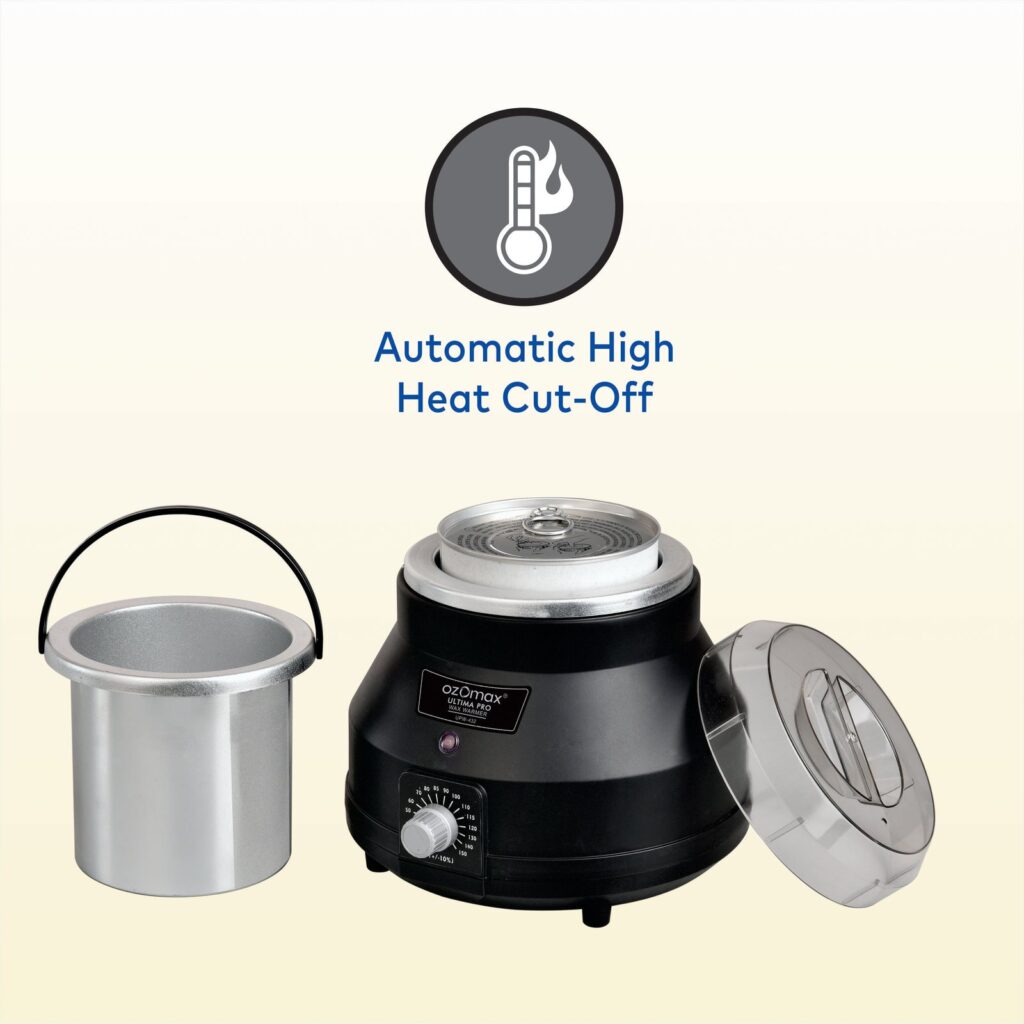

Waxing remains one of the most popular methods for achieving smooth, hair-free skin at home and in professional salons. Thanks to modern beauty appliances, the process has become easier and more convenient than ever. A quality wax heater allows users to melt wax safely and maintain the ideal temperature for effective hair removal.
However, one question that many beginners ask is: should you use hard wax or soft wax with a wax heater?
Both types of wax have unique advantages, and choosing the right one can make a significant difference in your waxing experience. In this guide, we will compare hard wax and soft wax, explain how they work with a wax heater, and help you determine which option is best for your needs.
Understanding How a Wax Heater Works
Before comparing wax types, it is important to understand the role of a wax heater.
A wax heater is designed to melt wax evenly and keep it at a consistent temperature during the waxing process. Instead of using unsafe methods such as microwaves or stovetops, a dedicated wax heater provides better temperature control and convenience.
Whether you choose hard wax or soft wax, a reliable wax heater helps ensure smooth application and a more comfortable waxing session.
What Is Hard Wax?
Hard wax is a type of wax that hardens as it cools on the skin. Once it solidifies, it can be removed directly without using waxing strips.
Hard wax is commonly used for:
- Facial hair removal
- Underarms
- Bikini area
- Sensitive skin areas
- Coarse hair
When melted in a wax heater, hard wax develops a thick consistency that allows it to grip hair effectively while being gentle on the skin.
What Is Soft Wax?
Soft wax remains flexible after application and requires cloth or paper strips for removal.
Soft wax is often preferred for:
- Arms
- Legs
- Back
- Chest
- Larger body areas
A wax heater helps keep soft wax at the proper consistency so it spreads evenly across larger surfaces.
Because soft wax covers more area quickly, it is often chosen for faster full-body waxing sessions.
Hard Wax vs Soft Wax: Key Differences
Although both wax types remove unwanted hair, they work differently.
Application Method
Hard wax:
- Applied directly to the skin
- Hardens naturally
- Removed without strips
Soft wax:
- Applied in a thin layer
- Requires waxing strips
- Removed with a quick pull
A wax heater can be used effectively for both options, but the application process differs significantly.
Hair Removal Performance
Hard wax grips the hair rather than sticking heavily to the skin. This often makes the experience feel more comfortable.
Soft wax removes both hair and a thin layer of dead skin cells, creating smoother skin but sometimes causing more sensitivity.
A properly adjusted wax heater helps maintain the ideal texture for either type of wax.
Best Areas for Use
Hard wax works best for:
- Sensitive skin
- Facial hair
- Underarms
- Bikini areas
Soft wax works best for:
- Legs
- Arms
- Large body areas
Choosing the right wax for the correct body area often produces better results.
Why Many Beginners Prefer Hard Wax
For people new to waxing, hard wax is often easier to use.
Because hard wax does not require strips, the process feels simpler and less messy. Many beginners also appreciate that hard wax tends to be more forgiving during application.
Using a quality wax heater makes hard wax even easier to manage because it keeps the wax at a smooth and workable consistency.
Benefits of Using Hard Wax with a Wax Heater
Better for Sensitive Areas
Hard wax is commonly recommended for delicate areas because it adheres mainly to hair instead of skin.
Less Residue
After removal, hard wax usually leaves less sticky residue behind.
Comfortable Hair Removal
Many users report a more comfortable waxing experience when using hard wax with a properly adjusted wax heater.
No Waxing Strips Needed
One of the biggest advantages is convenience. You do not need additional paper or cloth strips.
Benefits of Using Soft Wax with a Wax Heater
Faster Coverage
Soft wax spreads thinly and covers larger sections of skin quickly.
Efficient for Large Areas
Legs, arms, and back areas can often be waxed more efficiently using soft wax.
Exfoliation Benefits
Soft wax removes some surface dead skin cells, which may leave skin feeling smoother.
A reliable wax heater helps maintain the correct consistency so the wax spreads evenly during application.
Which Wax Lasts Longer?
Both hard wax and soft wax remove hair from the root, which means results are generally similar.
Hair growth cycles vary from person to person, but many users enjoy smooth skin for several weeks after waxing.
The effectiveness often depends more on proper technique and the temperature maintained by the wax heater than on the wax type itself.
Which Wax Is Better for Sensitive Skin?
Hard wax is generally considered the better choice for sensitive skin.
Because it does not stick as aggressively to the skin surface, many people experience less irritation after waxing.
If you are using a wax heater for facial waxing or delicate areas, hard wax is often the preferred option.
Which Wax Is More Cost-Effective?
Soft wax usually requires:
- Wax strips
- Additional accessories
- More cleanup
Hard wax may cost slightly more initially, but many users appreciate the convenience of not needing strips.
The overall cost depends on how frequently you use your wax heater and which body areas you wax regularly.
Common Mistakes to Avoid
Whether you use hard wax or soft wax, avoid these common mistakes:
Overheating the Wax
Always allow the wax heater to reach the recommended temperature. Excessive heat may make the wax difficult to use.
Applying Wax Too Thick or Too Thin
Correct consistency is important for effective hair removal.
Skipping Skin Preparation
Clean, dry skin improves waxing performance significantly.
Pulling Incorrectly
Following proper removal techniques helps achieve smoother results.
How to Choose the Right Wax Heater
To get the best waxing experience, look for a wax heater that offers:
- Adjustable temperature controls
- Fast heating performance
- Even heat distribution
- Durable construction
- Easy cleaning
- Compact design
A good wax heater helps both hard wax and soft wax perform more effectively.
Which Works Best with a Wax Heater?
The answer depends on your personal needs.
Choose hard wax if:
- You have sensitive skin
- You wax facial areas
- You want a strip-free process
- You are a beginner
Choose soft wax if:
- You wax large body areas
- You want quicker application
- You prefer exfoliation benefits
- You regularly wax legs and arms
Both options work very well with a quality wax heater when used correctly.
Final Thoughts
When comparing hard wax and soft wax, there is no single option that works best for everyone. The ideal choice depends on your skin type, hair texture, comfort preferences, and the areas you plan to wax.
A reliable wax heater plays a crucial role in achieving smooth and effective results regardless of the wax type you choose. By maintaining proper temperature and consistency, a wax heater helps improve application, comfort, and overall waxing performance.
If you are looking for a beginner-friendly solution for sensitive areas, hard wax is often an excellent choice. If speed and coverage are your priorities, soft wax may be the better option. Understanding the strengths of each wax type will help you make a more informed decision and enjoy a more successful home waxing experience.