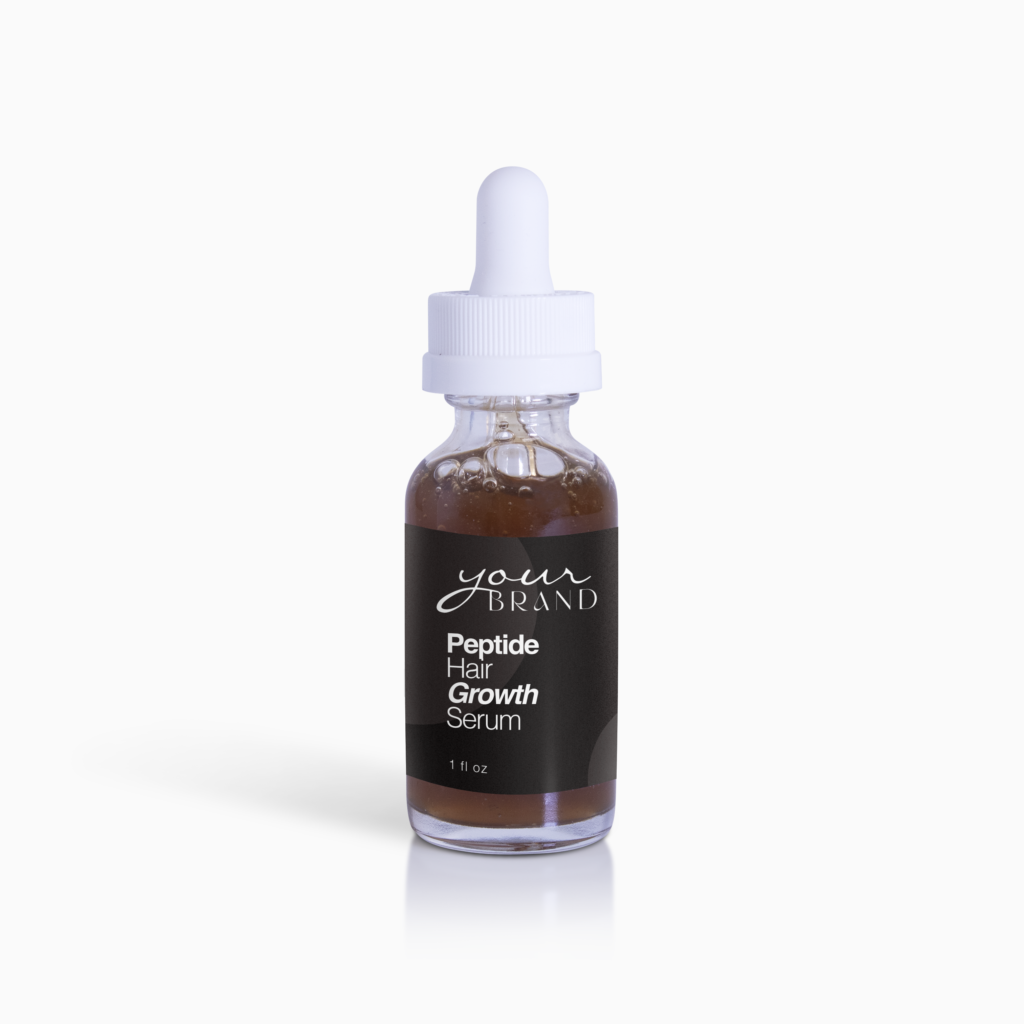

Healthy, dense, and strong hair is often associated with overall wellness, genetics, and proper scalp care. Scientific interest has grown around bioactive compounds that support follicle activity and scalp health.
Among them, hair growth peptides have become a popular topic in dermatology and cosmetic science. These small chains of amino acids are being studied for their potential role in stimulating follicles, improving scalp conditions, and supporting the natural hair cycle.
This article breaks down what they are, how they work, their key benefits, types, and practical applications.
What Are Hair-Related Peptides?
Peptides are short chains of amino acids, which are the building blocks of proteins like collagen and keratin. In the context of hair care, they act as signaling molecules. Instead of directly “creating” hair, they communicate with skin cells and follicles to encourage healthier biological activity.
When applied topically or used in cosmetic formulations, hair growth peptides may help improve scalp environment, support follicle strength, and reduce factors that contribute to thinning.
Unlike harsh chemical treatments, peptides are generally considered supportive agents rather than aggressive stimulants, which makes them appealing in modern hair care formulations.
How Peptides Interact with the Scalp
The scalp contains thousands of hair follicles, each going through a natural cycle: growth (anagen), transition (catagen), and rest (telogen). Disruptions in this cycle can lead to shedding or thinning.
Peptides may help in several ways:
- Sending signals to dermal papilla cells (which regulate hair growth)
- Supporting blood circulation in the scalp
- Encouraging collagen production for stronger follicle anchoring
- Reducing inflammation that can weaken hair roots
By improving the scalp environment, hair growth peptides aim to create conditions that are more favorable for consistent hair growth cycles.
Key Benefits of Peptide-Based Hair Support
While research is still evolving, many cosmetic formulations highlight the following potential benefits:
1. Strengthening Hair Follicles
Peptides can help reinforce the structures around follicles, making strands less prone to breakage.
2. Improving Scalp Health
A balanced scalp is essential for hair retention. Certain peptides may help reduce dryness and irritation.
3. Supporting Thicker Appearance
By improving the quality of new hair fibers, hair may appear fuller and denser over time.
4. Enhancing Nutrient Delivery
Some peptides are believed to improve microcirculation, helping nutrients reach follicles more efficiently.
5. Reducing Signs of Aging on Scalp
Just like skin, the scalp ages. Peptides may support collagen production, which keeps the scalp more resilient.
These combined effects make hair growth peptides a popular addition in serums, shampoos, and leave-in treatments.
Types of Peptides Used in Hair Care
Different peptides serve different roles. Here are some commonly used categories in hair formulations:
Copper Peptides
These are among the most studied. They may support tissue repair, collagen production, and follicle regeneration.
Signal Peptides
These send biological messages to skin cells, encouraging repair and renewal processes that may benefit hair growth.
Carrier Peptides
They help transport trace minerals like copper and magnesium into the scalp, supporting enzymatic functions.
Enzyme-Inhibitor Peptides
These may help reduce the activity of enzymes that break down essential proteins in the scalp, helping preserve hair structure.
Biotin-Linked Peptides
Often combined with vitamins, these support keratin infrastructure and improve hair fiber strength.
Each of these plays a different role, and many modern products combine multiple types for broader effects.
How They Are Used in Hair Care Products
Peptides are typically incorporated into cosmetic and dermatological formulations rather than consumed as standalone treatments for hair health.
Common delivery methods include:
Scalp serums: Concentrated treatments applied directly to the scalp
Shampoos and conditioners: Supportive daily maintenance products
Leave-in treatments: Longer-contact formulas for sustained absorption
Scalp masks: Intensive care treatments used weekly or monthly
Consistency is important. Most peptide-based products require regular use over several weeks to months before visible improvements are noticed.
Scientific Perspective and Limitations
Although interest in hair growth peptides is increasing, it is important to understand the scientific limitations. Research is still developing, and results can vary widely depending on:
- Individual genetics
- Underlying causes of hair thinning
- Product formulation and concentration
- Overall scalp health
Peptides are not a guaranteed solution for conditions like androgenetic alopecia or severe hair loss. Instead, they are best viewed as supportive ingredients that may enhance scalp condition and complement other treatments.
Dermatologists often recommend combining peptide-based products with proven therapies when appropriate.
Who Can Benefit Most?
Peptide-based hair care may be most suitable for:
- Individuals experiencing mild thinning
- People with weak or brittle hair
- Those with scalp dryness or sensitivity
- Individuals looking to maintain healthy hair density
- People seeking preventive scalp care
They are generally considered safe for most users when applied topically, though patch testing is always recommended to rule out sensitivity.
How to Choose a Good Product
When selecting a product containing peptides, consider the following:
- Ingredient transparency (clear labeling of active peptides)
- Presence of supporting ingredients like niacinamide or caffeine
- Alcohol-free or gentle formulations for sensitive scalps
- Clinical or dermatological testing claims
- User reviews and consistency of results
High-quality formulations often combine multiple active ingredients rather than relying on a single compound.
Final Thoughts
The science of hair care continues to evolve, and peptides have become one of the most promising ingredients in modern formulations. While they are not a miracle cure, they offer a supportive approach to improving scalp health and strengthening hair structure.
With consistent use and realistic expectations, hair growth peptides can play a meaningful role in a broader hair care routine focused on nourishment, balance, and long-term scalp wellness.