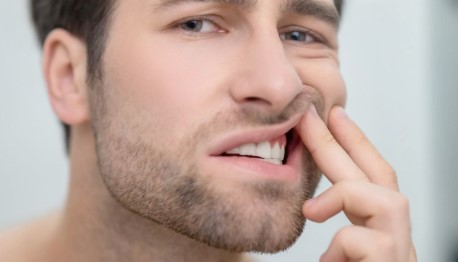

Teeth are only one part of the smile. The position and shape of the gumline also play a major role in how balanced, even, and proportional the smile appears. In some cases, the gum tissue may cover too much of the teeth, appear uneven from one side to the other, or create a shape that makes otherwise healthy teeth look short or irregular. Gum contouring is a cosmetic procedure designed to refine that visible gumline. For patients considering gum reshaping, understanding what the procedure can and cannot do helps define whether it is the right treatment choice.
What Gum Contouring Involves
Gum contouring is the process of reshaping the visible gumline to improve the appearance of the teeth and smile. The procedure may remove excess gum tissue, refine uneven areas, or create a more symmetrical frame around the visible teeth. In aesthetic dentistry, the goal is usually to create better proportion rather than simply removing tissue.
Gum reshaping can be performed with traditional instruments or with laser-assisted techniques, depending on the provider’s approach and the specifics of the case. The method matters less than the planning behind it, because the ideal gumline must be designed carefully in relation to the teeth and smile line.
Why Patients Consider It
A common reason patients seek gum contouring is the appearance often described as a gummy smile, where a larger amount of gum tissue shows when smiling and the teeth appear shorter than they actually are. Other patients are concerned about asymmetry, where one side of the gumline sits higher or lower than the other, making the smile appear uneven even when the teeth themselves are well aligned.
Gum reshaping may also be included as part of a broader cosmetic plan with veneers, bonding, or a smile makeover. Adjusting the gumline first can improve the proportions of the teeth before those other restorations are designed.
Planning and Case Selection
Not every uneven gumline should be treated cosmetically. Before recommending gum contouring, the provider needs to determine whether the issue is strictly aesthetic or related to periodontal health, tooth eruption patterns, or the underlying bone level. The amount of tissue that can be safely reshaped depends on those anatomical factors.
That is why gum reshaping should be planned conservatively and with attention to both appearance and biology. Removing too much tissue or treating the wrong type of case can create sensitivity, expose root surfaces, or produce an unnatural result.
The Procedure and Recovery
Gum contouring is usually performed under local anesthesia. The tissue is adjusted according to the treatment plan, and the area is then allowed to heal over the following days or weeks. Recovery is often manageable, though the exact experience depends on how much tissue is treated and which technique is used.
Most patients notice the visual change immediately, but the final appearance is more accurately judged after the tissue has healed and settled into its new contour. During healing, providers may recommend avoiding irritation to the area and maintaining gentle hygiene routines.
Long-Term Considerations
A well-planned gum contouring result can be long lasting, particularly when the original issue is excess tissue rather than active periodontal disease. Ongoing oral hygiene still matters because the appearance of the gumline depends in part on the health of the tissues over time.
When gum reshaping is part of a larger cosmetic plan, long-term success also depends on how well the contour supports the restorations placed afterward. The gumline and the teeth should work together visually, not compete with each other.
Conclusion
Gum contouring is a focused cosmetic procedure used to refine the gumline and improve the balance of the smile when excess or uneven tissue affects appearance. For the right patient, gum reshaping can make teeth look more proportional and help other cosmetic treatments blend more naturally into the overall smile design.