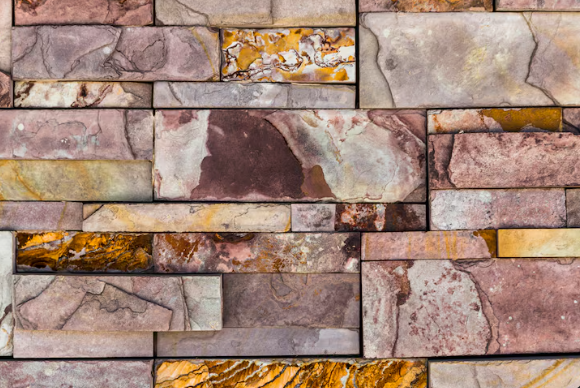

The Indian ceramic industry has evolved into a major contributor to global trade, especially in recent years. With increasing demand for durable, cost-effective, and aesthetically appealing materials, ceramic tiles have become a preferred choice across international markets. India has successfully positioned itself as a competitive exporter by combining advanced manufacturing, innovative designs, and efficient logistics.
But what is driving this remarkable growth? How is India competing with global leaders? And what opportunities lie ahead for the ceramic industry?
This article explores the growth of the Indian ceramic industry in global trade, highlighting key drivers, emerging trends, opportunities, and challenges shaping its global expansion.
Overview of the Indian Ceramic Industry
Strong Manufacturing Ecosystem
India has developed a well-established ceramic manufacturing ecosystem that includes ceramic tiles, porcelain tiles, sanitaryware, and tableware. The country is among the largest producers of ceramic tiles globally, supported by large-scale production units and continuous technological upgrades.
Manufacturers focus on delivering high-quality products that meet international standards, ensuring strong demand in export markets. This solid foundation has enabled India to expand its presence across multiple regions.
Role of Gujarat and Morbi
Gujarat, particularly Morbi, plays a vital role in the growth of the ceramic industry. The region contributes significantly to the export of tiles from gujarat, supported by:
- Advanced manufacturing infrastructure
- Skilled workforce
- Strong supplier and distribution network
- Efficient connectivity for exports
Morbi has become a globally recognized hub, attracting buyers and partners from around the world.
Key Drivers of Growth in Global Trade
Competitive Pricing Advantage
One of the biggest strengths of Indian manufacturers is their ability to offer competitive pricing. Lower production costs, combined with efficient operations, allow exporters to provide high-quality products at affordable rates. This makes Indian ceramics highly attractive in global markets.
Wide Product Range and Innovation
Indian companies offer a diverse portfolio of products, including:
- Ceramic wall tiles
- Vitrified tiles
- Porcelain tiles
- GVT & PGVT tiles
- Large-format tiles
Continuous innovation in textures, finishes, and sizes helps manufacturers meet the changing preferences of global buyers.
Expansion of Export Networks
India’s ceramic exports have expanded significantly across:
- Europe
- Americas
- Africa
- Middle East
- Asia-Pacific
Strong distribution networks and partnerships ensure consistent supply and market reach.
Rising Demand in Global Markets
Growth in Construction and Infrastructure
Global construction activities are increasing due to rapid urbanization and economic development. Ceramic tiles are widely used because they offer durability, low maintenance, and aesthetic appeal. This growing demand directly supports export growth.
Changing Design Preferences
Modern consumers prefer tiles that offer both functionality and style. Popular trends include:
- Minimalist designs
- Natural textures like marble and wood
- Large-format tiles for seamless finishes
Indian manufacturers are adapting quickly to these trends, enhancing their competitiveness in global markets.
Technological Advancements in Production
Digital Printing and Automation
Technology has significantly improved ceramic manufacturing. Digital printing allows for high-definition designs, while automation increases production efficiency and consistency. These advancements help manufacturers deliver high-quality products at scale.
Quality Control and Standardization
Maintaining consistent quality is essential for export success. Indian manufacturers follow strict quality control processes to ensure:
- Uniform size and thickness
- High durability and strength
- Superior surface finish
This builds trust among international buyers and strengthens long-term relationships.
Opportunities in the Global Market
Emerging Markets
Regions such as Africa, Southeast Asia, and Latin America present significant growth opportunities. These markets are experiencing rapid infrastructure development, increasing the demand for imported ceramic tiles.
Demand for Premium and Customized Products
Global buyers are increasingly seeking:
- Unique designs
- Customized solutions
- High-performance materials
This trend allows Indian exporters to offer value-added products and improve profitability.
Growing Focus on Sustainability
Sustainability is becoming a key factor in global trade. Manufacturers are adopting eco-friendly practices such as energy-efficient production and waste reduction. This aligns with international environmental standards and enhances market acceptance.
Challenges Faced by the Industry
Logistics and Freight Costs
Fluctuations in shipping costs can impact export pricing and profit margins. Efficient logistics management is essential to overcome this challenge.
Increasing Global Competition
India competes with established players like China, Spain, and Italy. To remain competitive, manufacturers must focus on innovation, branding, and consistent quality.
Maintaining Quality Consistency
Ensuring consistent quality across large production volumes is critical for maintaining global trust and reputation.
Future Outlook of the Indian Ceramic Industry
The future of the Indian ceramic industry looks highly promising. With continuous innovation, expanding global demand, and strong manufacturing capabilities, India is expected to strengthen its position as a leading exporter.
The industry’s focus on modern designs, sustainable production, and efficient export systems will play a key role in driving future growth. As global construction and infrastructure development continue to rise, the demand for Indian ceramic products is expected to increase further.
Conclusion
The Indian ceramic industry has become a strong player in global trade, driven by its manufacturing strength, competitive pricing, and ability to adapt to market trends. Its continuous growth reflects the increasing demand for high-quality ceramic products worldwide.
Italica Tiles contributes significantly to this growth by offering premium ceramic and porcelain tiles to international markets. With advanced manufacturing, strong export capabilities, and a presence in 85+ countries, Italica Tiles continues to strengthen India’s position in the global ceramic industry.
Frequently Asked Questions (FAQ)
1. Why is the Indian ceramic industry growing globally?
It is growing due to competitive pricing, advanced manufacturing, and strong export networks.
2. Which region leads ceramic production in India?
Morbi in Gujarat is the leading hub for ceramic manufacturing and export.
3. What products are exported globally?
Ceramic tiles, porcelain tiles, vitrified tiles, and large-format tiles are widely exported.
4. What drives global demand for ceramic tiles?
Urbanization, infrastructure growth, and modern design trends drive demand.
5. What challenges does the industry face?
Logistics costs, global competition, and maintaining consistent quality are key challenges.