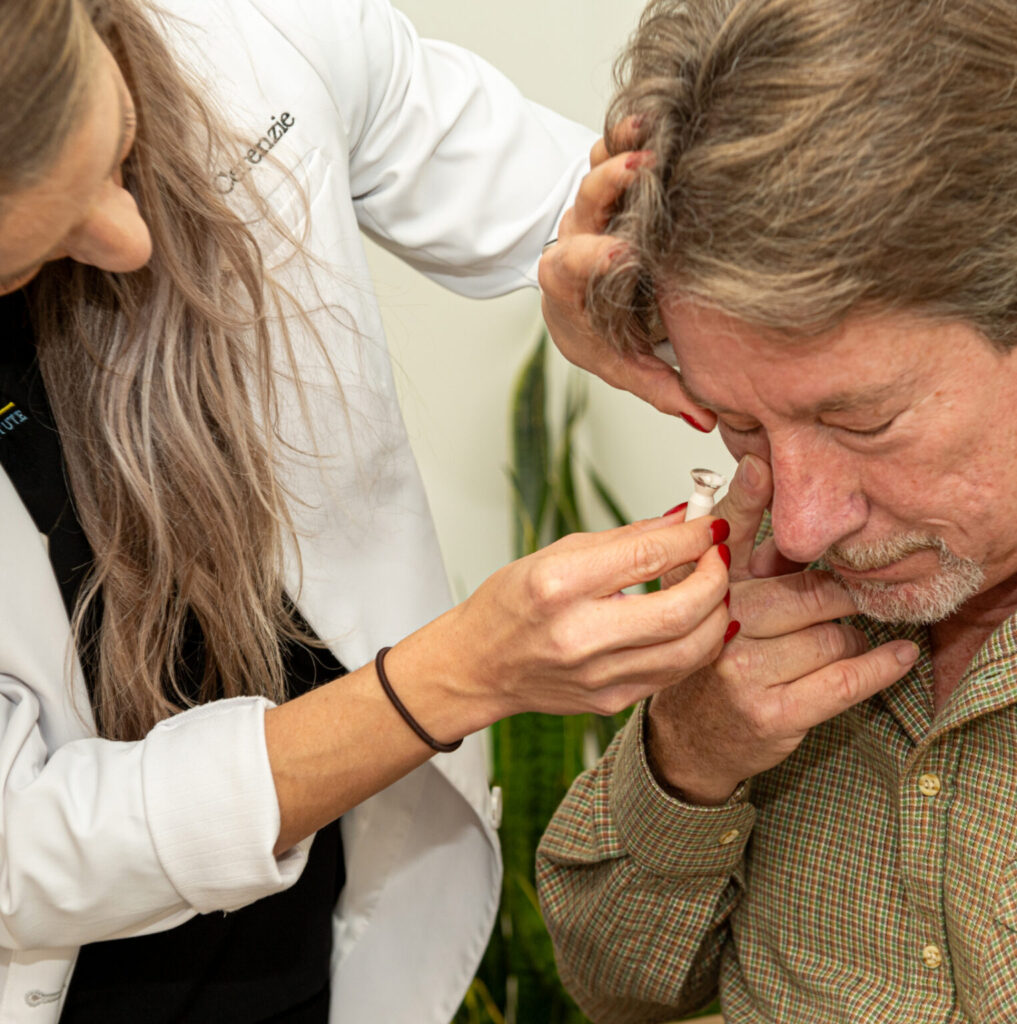

When it comes to vision correction, contact lenses offer a convenient alternative to glasses. Among the many options available, GP contact lenses, also known as rigid gas permeable lenses, have stood the test of time. For decades, millions of Americans have relied on these lenses for clear vision, comfort, and long-term eye health. Despite the popularity of soft contact lenses, GP lenses continue to hold a special place in eye care, thanks to their unique benefits and durability.
What Are GP Contact Lenses?
GP contact lenses are small, durable lenses made from rigid, oxygen-permeable materials. Unlike traditional “hard” lenses of the past, modern GP lenses allow oxygen to pass through to the cornea, promoting healthier eyes and reducing the risk of complications. These lenses are designed to sit directly on the cornea, providing precise vision correction by maintaining their shape on the eye’s surface.
People may know GP lenses by different names: rigid gas permeable (RGP), corneal gas permeable, or simply gas permeable lenses. Regardless of the terminology, the core benefits remain the same—crisp, stable vision, and a long-lasting lens option.
Benefits of GP Contact Lenses
1. Superior Vision Quality
One of the main advantages of GP contact lenses is their ability to provide exceptionally clear and stable vision. Because these lenses hold their shape on the cornea, they can correct irregularities more effectively than soft lenses. This makes GP lenses ideal for people with astigmatism or corneal conditions such as keratoconus, where precise vision correction is crucial.
2. Long-Term Durability
Unlike soft lenses, GP lenses are made from rigid materials that resist tearing and deformation. With proper care, a single pair of GP lenses can last several years, making them a cost-effective choice over time. Their durability also reduces the frequency of lens replacement, which can save both money and hassle.
3. Eye Health Benefits
GP lenses are highly oxygen-permeable, allowing more oxygen to reach the cornea compared to some soft lenses. Adequate oxygenation is essential for maintaining healthy eyes, preventing dryness, and reducing the risk of infections or corneal complications. Additionally, because GP lenses are easier to clean thoroughly, they can decrease the buildup of deposits and bacteria that sometimes cause eye irritation.
4. Correcting Complex Vision Problems
For individuals with complex vision issues, such as high degrees of astigmatism or irregular corneal shapes, GP lenses often outperform soft lenses. Their rigid design provides a uniform optical surface, correcting distortions and offering sharper vision than what many soft lenses can achieve. Eye care specialists often recommend GP lenses when standard soft lenses fail to deliver optimal results.
5. Gradual Adaptation and Comfort
Although some first-time users report a brief adaptation period with GP lenses, modern designs and materials have significantly improved comfort. Many wearers find that after a few days or weeks of use, GP lenses feel as natural as soft lenses. Proper fitting by an experienced optometrist ensures that lenses are comfortable and provide excellent visual performance.
Who Should Consider GP Contact Lenses?
GP lenses are not just for individuals with irregular corneas—they are suitable for a wide range of wearers:
- People with Astigmatism: GP lenses can correct astigmatism effectively, often better than soft toric lenses.
- Keratoconus Patients: Those with keratoconus or other corneal irregularities benefit from the precise fit of GP lenses.
- Highly Active Individuals: Athletes or people with an active lifestyle appreciate GP lenses for their stability and resistance to tearing.
- Anyone Seeking Long-Term Cost Savings: With their durability, GP lenses reduce replacement frequency compared to soft lenses.
Consulting with an optometrist experienced in fitting GP lenses is essential. They will perform a detailed eye examination and recommend the most suitable lens design based on corneal shape, prescription, and lifestyle needs.
Caring for Your GP Contact Lenses
Proper care of GP contact lenses ensures longevity and maintains eye health. Key steps include:
- Cleaning and Disinfecting: Use a recommended cleaning solution daily to remove deposits and bacteria.
- Handling With Care: Avoid dropping lenses and handle them with clean, dry hands.
- Storing Properly: Keep lenses in a designated case with fresh solution to maintain their shape and cleanliness.
- Regular Checkups: Schedule regular eye exams to monitor eye health and ensure lenses remain the best fit.
Unlike soft lenses, GP lenses are less likely to accumulate deposits, but consistent cleaning and maintenance are still critical for optimal performance.
Common Myths About GP Lenses
Despite their benefits, some misconceptions about GP lenses persist:
- Myth 1: They Are Uncomfortable – Modern GP lenses are designed for comfort, and most wearers adapt quickly.
- Myth 2: They Are Only for Older Adults – GP lenses are suitable for all age groups, including children and young adults.
- Myth 3: They Are Difficult to Care For – With proper guidance, cleaning and maintenance are simple and straightforward.
Understanding the facts about GP lenses helps potential wearers make informed decisions and enjoy all the advantages these lenses offer.
Conclusion
GP contact lenses are a trusted, reliable option for anyone seeking clear vision, durability, and eye health benefits. From correcting astigmatism and keratoconus to providing long-lasting, high-quality vision, these lenses continue to be a valuable choice decades after their introduction. While there may be a short adaptation period, the long-term benefits make GP lenses a compelling choice for many wearers.