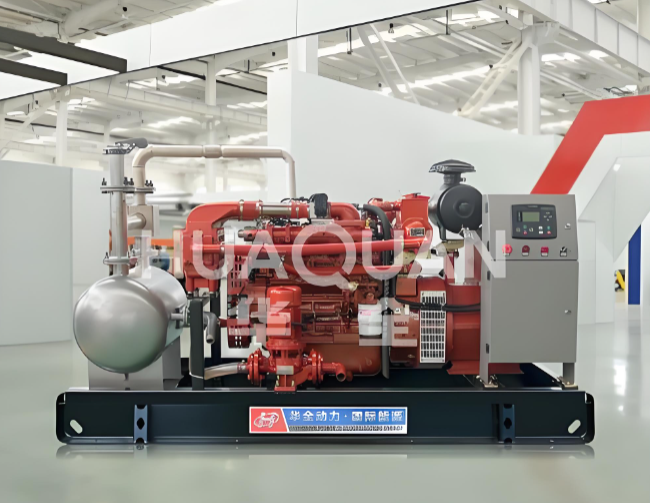

In today’s energy-driven world, reliable electricity is essential for homes, commercial facilities, and industrial operations. While generators are widely recognized as dependable backup or primary power sources, the true intelligence behind their performance lies in the generator control panel. This critical component transforms a basic power generator into a smart, responsive, and precisely managed energy system.
A generator control panel is not just a set of buttons and gauges. It is the operational brain that monitors performance, regulates output, protects equipment, and ensures safe, stable power delivery. From automatic start-up to load management and fault detection, modern generator control panels offer advanced monitoring and precision power management capabilities that significantly improve efficiency and reliability.
Understanding the Role of a Generator Control Panel
Generator control panel is a centralized system that manages and supervises the operation of a generator. It provides real-time data, automated control functions, and safety mechanisms to ensure smooth performance.
Without a control panel, operating a generator would require constant manual supervision. With a smart control panel in place, users gain access to automated start and stop sequences, voltage and frequency regulation, load balancing, alarm systems, and remote monitoring capabilities.
In simple terms, the generator control panel ensures that the generator runs efficiently, safely, and only when needed.
Key Components of a Generator Control Panel
Modern generator control panels are designed with multiple integrated components that work together seamlessly. These typically include:
1. Display and Monitoring Interface
A digital screen displays real-time operating data such as:
- Voltage output
- Current
- Frequency
- Engine temperature
- Oil pressure
- Fuel levels
- Running hours
This information allows operators to monitor generator health at a glance.
2. Control Switches and Buttons
These include start/stop controls, emergency stop switches, and manual/automatic mode selectors. In advanced systems, touch-screen interfaces replace traditional mechanical switches.
3. Microprocessor-Based Controller
The microcontroller acts as the system’s brain. It processes data from sensors, executes programmed commands, and ensures the generator responds correctly to power demands.
4. Protection Systems
Protection features are essential for preventing costly damage. The panel can automatically shut down the generator in cases of:
- Overvoltage
- Undervoltage
- Overcurrent
- Overheating
- Low oil pressure
- Overload conditions
These built-in safeguards extend the lifespan of the generator.
5. Communication Modules
Many modern panels support remote monitoring through communication protocols such as Modbus or Ethernet. This allows facility managers to monitor performance from a control room or even a mobile device.
Smart Monitoring: Real-Time Visibility and Control
One of the most valuable features of modern generator control panels is smart monitoring. Traditional generators required manual checks and physical inspections. Today’s control panels provide continuous, real-time data tracking.
Instant Performance Feedback
Operators can instantly view system status, making it easier to identify abnormal patterns before they escalate into major failures. For example, rising engine temperature can trigger early warnings, enabling preventive action.
Automated Alerts and Alarms
Smart panels issue visual and audible alerts when irregularities occur. Instead of discovering a problem after system failure, operators receive immediate notifications, reducing downtime and repair costs.
Remote Monitoring Capabilities
With integrated communication modules, operators can monitor multiple generators across different sites. This is especially useful for industrial plants, hospitals, data centers, and telecom facilities where uninterrupted power is critical.
Smart monitoring transforms a generator from a standalone machine into a fully connected power solution.
Precision Power Management for Optimal Performance
Beyond monitoring, generator control panels are designed for precise power management. This ensures consistent energy output while maximizing fuel efficiency and minimizing mechanical stress.
Voltage and Frequency Regulation
Fluctuations in voltage and frequency can damage sensitive equipment. The control panel constantly regulates output to maintain stable levels, ensuring compatibility with modern electrical systems.
Load Management
In facilities with varying power demands, load management becomes crucial. Advanced control panels can:
- Automatically adjust generator speed
- Distribute load evenly
- Prevent overload conditions
- Synchronize multiple generators
Load sharing functionality is particularly important in large-scale operations where multiple generators work together to meet high energy requirements.
Automatic Transfer Switch (ATS) Integration
Generator control panels often integrate with automatic transfer switches. When a power outage occurs, the panel detects the failure and automatically starts the generator. Once utility power is restored, the system switches back seamlessly. This automation eliminates the need for manual intervention.
Enhancing Safety and Equipment Longevity
Safety is a top priority in power generation systems. A generator control panel not only protects the generator but also safeguards connected electrical infrastructure.
Fault Detection and Isolation
The panel identifies faults and isolates the affected components to prevent cascading failures. For example, if an overload condition arises, the system can disconnect certain loads before shutting down entirely.
Emergency Shutdown Features
In critical situations, the control panel can initiate an immediate shutdown to prevent severe damage or safety hazards.
Maintenance Scheduling and Diagnostics
Many smart panels track operating hours and maintenance intervals. They provide reminders for oil changes, filter replacements, and inspections. This proactive approach reduces unexpected breakdowns and extends generator lifespan.
Customization and Scalability
Modern generator control panels are highly customizable. Manufacturers can tailor control logic, interface design, and communication options to suit specific applications.
Industrial Applications
In manufacturing plants, precise load control ensures uninterrupted production lines.
Commercial Facilities
In office buildings and shopping centers, automated systems maintain comfort and operational continuity during outages.
Healthcare and Data Centers
Hospitals and data centers require zero downtime. Advanced control panels enable seamless transitions and constant monitoring to protect life-saving equipment and critical data.
Scalability is another advantage. As power demands grow, additional generators can be integrated into the existing control framework without replacing the entire system.
Energy Efficiency and Cost Optimization
Efficiency is no longer optional—it is essential. Generator control panels play a significant role in optimizing fuel consumption and reducing operational costs.
Intelligent Engine Management
By adjusting engine speed according to load requirements, the control panel prevents unnecessary fuel usage.
Reduced Wear and Tear
Precise regulation minimizes mechanical stress, leading to fewer repairs and longer service intervals.
Data-Driven Decision Making
Performance data collected over time helps operators analyze trends, plan upgrades, and improve energy strategies.
These benefits make smart control panels a long-term investment rather than a simple accessory.
The Future of Generator Control Panels
Technology continues to evolve rapidly. The future of generator control panels includes:
- Cloud-based monitoring platforms
- AI-driven predictive maintenance
- Integration with renewable energy systems
- Advanced cybersecurity protections
- IoT-enabled energy management
As power systems become more interconnected, the control panel will remain at the center of intelligent energy coordination.
Conclusion
A generator without a control panel is simply a power-producing machine. With a smart generator control panel, it becomes an intelligent energy management system capable of monitoring, protecting, and optimizing performance with precision.
From real-time data tracking to automated load management and safety protections, generator control panels deliver reliability, efficiency, and peace of mind. Whether for industrial operations, commercial facilities, or critical infrastructure, these systems ensure stable power supply in an increasingly demanding energy landscape.