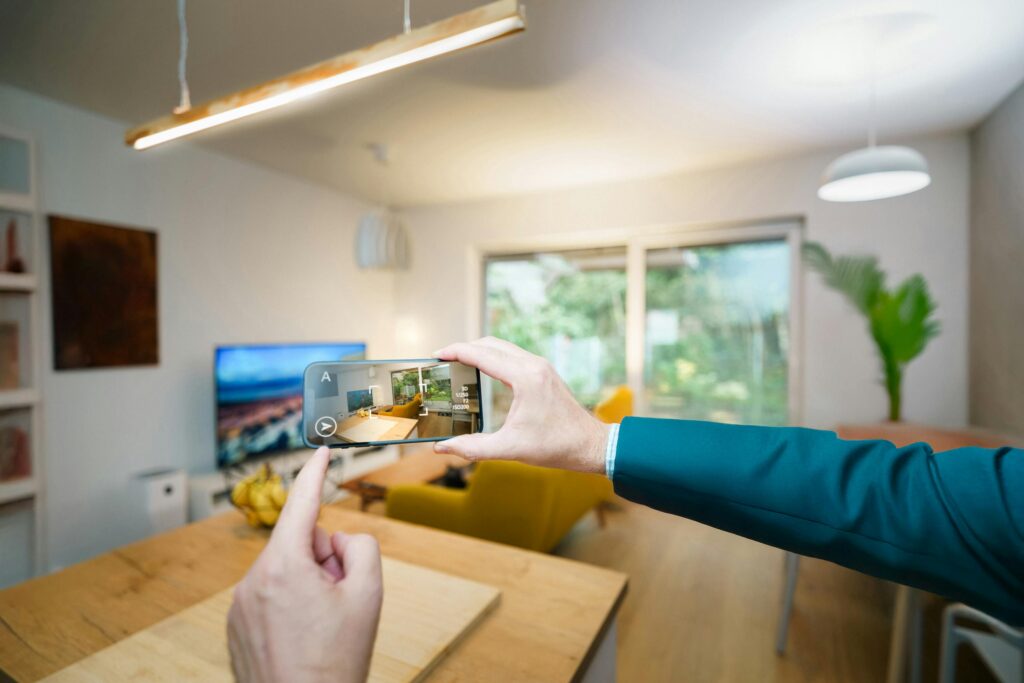

Interior design in Dubai has always been about pushing boundaries whether it’s luxury villas, futuristic offices, or experiential retail spaces. But in 2026, there’s a new force shaping how these spaces are imagined and built: AI in interior design.
Generative AI is no longer just a trend. It’s becoming a practical tool that designers are actively using in real projects across Dubai. From concept creation to visualization and space planning, AI is helping designers work faster, explore more ideas, and deliver smarter solutions.
What Is Generative AI in Interior Design?
Generative AI refers to tools that can create design concepts, layouts, or visuals based on input data. Instead of starting from scratch, designers can input requirements like room size, style preferences, or functionality and AI generates multiple design options instantly.
This is why generative AI in interior design is gaining attention. It allows designers to experiment freely and explore creative directions that might not have been considered otherwise.
In a fast-paced city like Dubai, where timelines are tight and expectations are high, this speed and flexibility are incredibly valuable.
Faster Concept Development for Dubai Projects
One of the biggest advantages of AI in interior design is how quickly it generates ideas. In traditional workflows, creating multiple design concepts could take days. With AI, designers can produce several options within minutes.
In Dubai’s competitive market especially in luxury residential and hospitality projects, clients often expect to see multiple concepts before making decisions. AI makes this process smoother and more efficient.
Designers can quickly present variations in layouts, color palettes, and styles, making the decision-making process faster for both clients and teams.
Enhancing 3D Visualization and Rendering
Visualization plays a key role in interior design, and AI is transforming this area significantly. AI rendering tools can convert basic sketches or descriptions into highly realistic images.
For Dubai projects, where presentation quality matters, this is a game changer. Designers can create photorealistic visuals that help clients clearly understand the final outcome.
These tools also allow quick adjustments changing materials, lighting, or layouts without reworking the entire design. This flexibility improves both efficiency and creativity.
Smart Space Planning and Layout Optimization
Space planning is another area where AI design tools UAE are making a strong impact. AI can analyze room dimensions, user needs, and movement patterns to suggest optimized layouts.
In compact apartments, luxury villas, or commercial spaces in Dubai, efficient space utilization is crucial. AI helps designers create layouts that are not only visually appealing but also highly functional.
This is especially useful in projects where every square foot matters.
Personalized Design Experiences
Dubai’s design market is highly client-driven. Each project is expected to reflect the client’s personality and lifestyle. AI helps achieve this level of personalization.
By analyzing user preferences, behavior, and design trends, AI powered interior design tools can suggest customized solutions. Designers can tailor spaces more accurately to individual needs.
This makes interiors feel more personal, which is a growing demand in modern design.
Real Use Cases in Dubai Projects
Generative AI is already being used in various types of projects across Dubai:
- Luxury Villas: Creating multiple design concepts for interiors based on client preferences
- Hospitality Design: Generating immersive themes and layouts for hotels and restaurants
- Commercial Spaces: Optimizing layouts for offices and retail environments
- Residential Apartments: Visualizing compact spaces with efficient design solutions
These real-world applications show how AI in interior design is moving beyond experimentation and becoming part of everyday workflows.
Improving Collaboration and Workflow
Interior design projects often involve multiple stakeholders – clients, architects, engineers, and contractors. AI tools help streamline communication by providing clear visuals and data-driven insights.
Designers can share concepts quickly, receive feedback, and make changes in real time. This improves collaboration and reduces delays in project execution.
In a city like Dubai, where projects move quickly, this efficiency is essential.
Balancing AI with Human Creativity
While AI offers many advantages, it does not replace human creativity. Instead, it enhances it. Designers still play a crucial role in decision-making, storytelling, and understanding client needs.
AI provides options, but it is the designer who refines those ideas and brings them to life. The best results come from combining technology with creative thinking.
The Future of Interior Design in Dubai
As technology continues to evolve, the role of AI in design will only grow stronger. Designers who embrace these tools will have a clear advantage in the industry.
The future of digital design innovation UAE lies in combining AI with traditional design principles. This approach allows designers to create spaces that are both innovative and meaningful.
Conclusion
Generative AI is transforming the way interiors are designed in Dubai, making processes faster, more efficient, and more creative. From concept development to visualization and personalization, AI in interior design is becoming an essential tool for modern designers. For those looking to build a future-ready design career, understanding these technologies is crucial. Institutes like Cindrebay Dubai provide the right platform to learn and apply advanced design tools through practical training, helping students stay ahead in the evolving world of interior design.