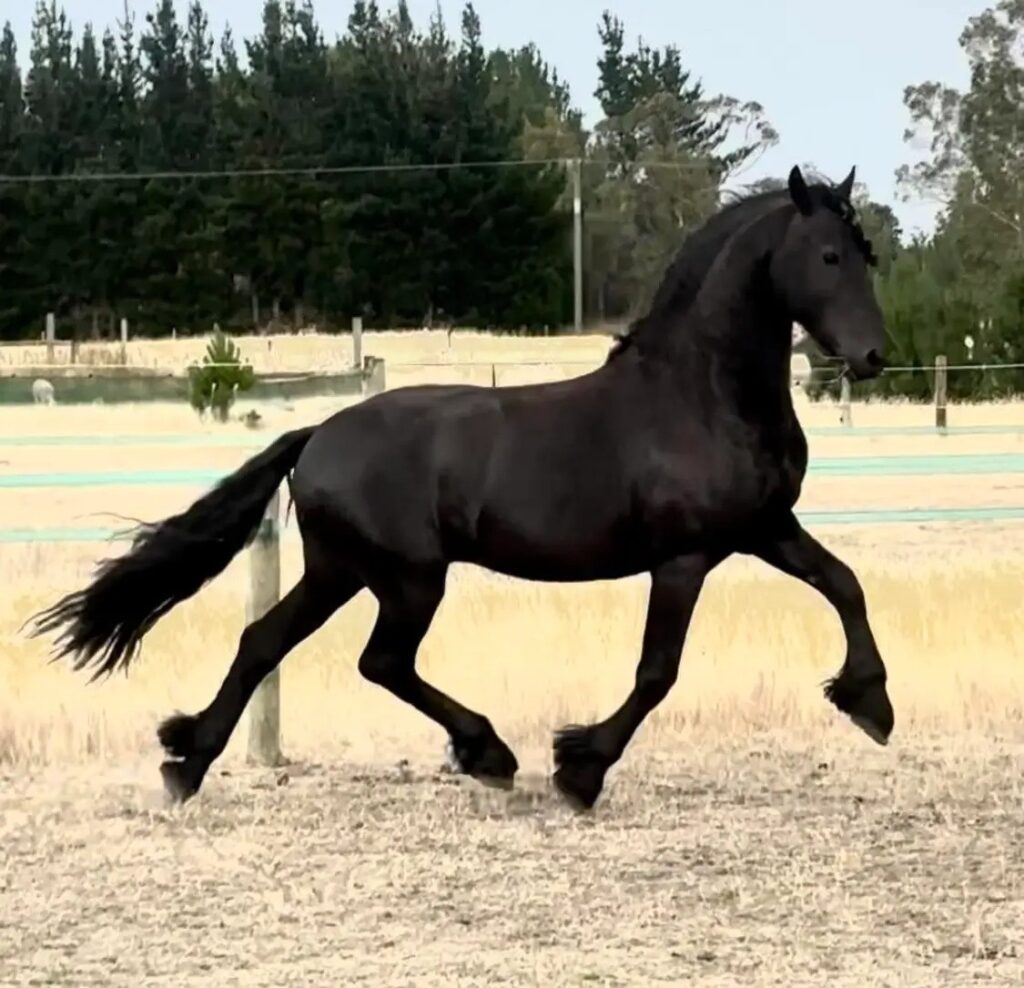

1. Introduction: More Than Graceful Movers
Horses are often admired for their strength and beauty, but their intelligence is equally remarkable. These gentle giants possess deep emotional awareness, strong memory, and impressive problem-solving skills. Understanding their hidden intelligence helps us appreciate horses not just as riding companions, but as highly perceptive and thoughtful animals.
2. Emotional Intelligence and Sensitivity
Horses are incredibly sensitive to human emotions. They can read facial expressions, body posture, and even the tension in your voice. When a person feels anxious, a horse may become cautious; when someone is calm, the horse relaxes too. This emotional connection is one reason horses are used in therapy—they help people heal through empathy and nonverbal communication.
3. Remarkable Memory Skills
A horse never forgets a person who treated them kindly—or poorly. Their long-term memory allows them to remember routes, routines, and voices for years. This strong memory helps them feel secure in familiar settings and form deep bonds with their caretakers.
4. Problem-Solving Abilities in Daily Life
Horses are natural problem-solvers. They learn how to open latches, find hidden food, or navigate obstacles with surprising creativity. Many horses quickly understand patterns, such as when they will be fed or when training begins. Their ability to process information and adapt shows a level of intelligence often underestimated.
5. Communication Within the Herd
Horses are social animals that communicate through ear position, tail movement, and body posture. A single flick of an ear can mean curiosity, while a raised tail may signal excitement. These signals help maintain harmony within the herd. Horses also form friendships, showing loyalty and emotional depth within their social groups.
6. Understanding Human Cues With Precision
Horses learn to interpret human cues incredibly well. They respond to subtle changes in pressure, gestures, and voice commands. A slight shift in your body weight or a gentle pull on the reins can guide a horse effortlessly. This sensitivity makes them excellent partners in riding, sports, and work.
7. Advanced Learning Through Training
Training reveals just how intelligent horses can be. They can learn complex routines, respond to specific commands, and even perform in synchronized patterns. Positive reinforcement helps them connect actions with rewards, allowing them to learn faster and more willingly.
8. Social Learning From Other Horses
Horses also learn by watching others. If one horse figures out how to open a gate, another might copy the behavior. Young horses often observe older ones to understand herd rules, feeding routines, and safe behaviors. This social learning highlights their ability to absorb knowledge from their environment.
9. The Human–Horse Bond: A Partnership of Minds
The intelligence of horses strengthens the bond they share with humans. Trust, communication, and emotional connection help build a partnership that feels almost intuitive. Horses understand more than commands—they sense intentions, mood, and energy, creating a powerful, unique relationship.
10. Conclusion: Appreciating the Horse’s Hidden Mind
Horses may communicate quietly, but their intelligence echoes loudly through their actions. From emotional awareness to complex learning, they reveal a world of deep perception and understanding. Recognizing their hidden intelligence helps us treat them with greater respect, patience, and appreciation.
11. How Horses Adapt to New Environments
Horses show remarkable intelligence through their ability to adapt to new places, routines, and situations. When moved to a new stable or field, they carefully observe surroundings, scents, and sounds before settling in. Their cautious yet curious nature helps them understand what is safe and what is not. This adaptability shows how quickly horses analyze new environments and adjust their behavior for comfort and safety.
12. Building Trust Through Understanding
A horse’s intelligence shines brightest when trust is built between horse and human. When a caretaker listens to the horse’s signals—such as ear movement, breathing patterns, or body tension—the horse feels understood. This mutual communication develops trust, making training smoother and strengthening the emotional bond. A horse that trusts its human partner becomes calmer, more confident, and more willing to learn.