
Every manufacturing plant knows the cost of unexpected downtime. One machine fails in the middle of the night, production stops, deadlines slip, and maintenance teams are forced into costly emergency repairs. This is the hidden price of reactive maintenance, where problems are only addressed after damage is done.
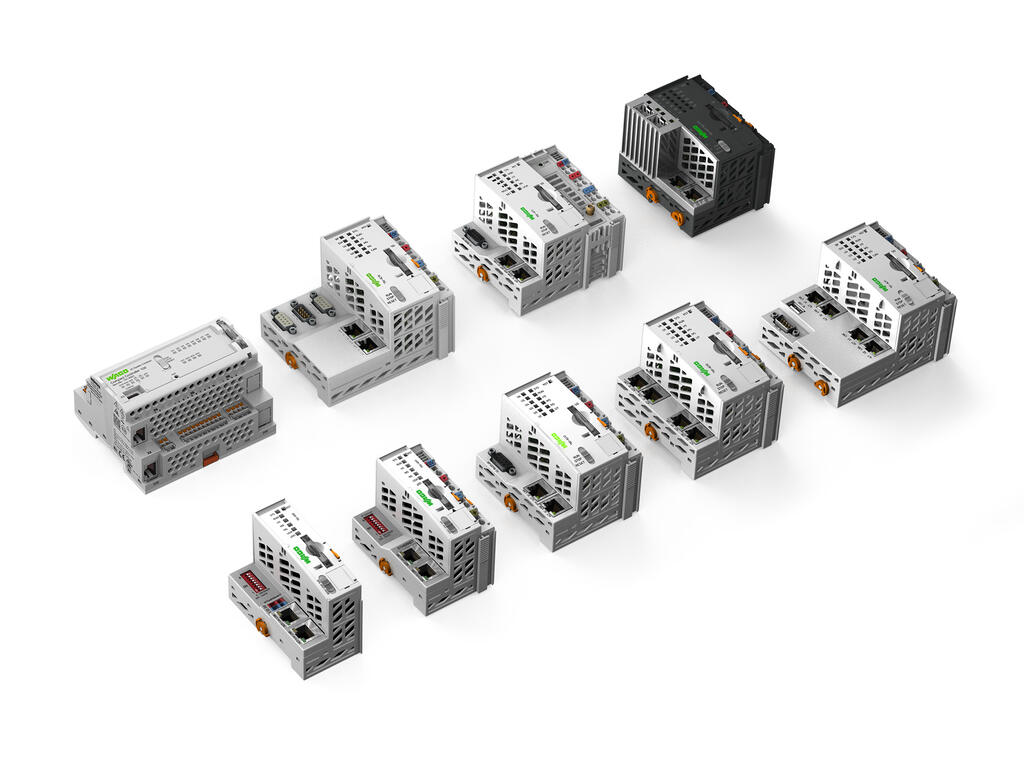
Today, modern industrial facilities are turning to Programmable Logic Controllers to get ahead of failures before they happen. PLCs are industrial control devices designed to automate, monitor, and manage machinery through customized programming and real-time input-output operations.
Modern PLC systems monitor equipment in real time, detect performance issues early, and help teams fix problems before failures occur. Instead of constantly reacting to breakdowns, plants can reduce downtime, improve efficiency, lower maintenance costs, and build a more reliable operation through predictive maintenance.
What Reactive Maintenance Is Really Costing Your Operations
Think about the last time a machine broke down without warning. You lost production hours. You paid emergency labor rates. You ordered parts overnight at double the price. Then a quality defect slipped through because the equipment failed mid-process.
Here is where the money actually disappears:
- Lost production hours that can never be recovered
- Emergency labor and repair costs at premium rates
- Overnight, spare parts ordered at inflated prices
- Quality defects slipping through mid-process failures
- Your maintenance team is stuck firefighting instead of planning
That single breakdown probably cost more than a full month of planned maintenance. The financial bleed is real, and it adds up faster than most managers realize.
What Is Predictive Maintenance and How Is It Different
Predictive maintenance uses real-time data to foresee and prevent equipment failures. Reactive maintenance waits for something to break. Preventive maintenance services equipment on a fixed schedule, whether it needs it or not. Predictive maintenance does neither.
It watches your machines in real time. It reads the data. It finds the early signs of wear before failure happens. Maintenance only gets triggered when actual deterioration shows up in the numbers. No guesswork. No unnecessary downtime. Just precise action at exactly the right moment. That precision is what makes predictive maintenance the most cost-effective model available today.
Where the Programmable Logic Controller Fits Into Predictive Maintenance
The Programmable Logic Controller is the engine that makes predictive maintenance possible. It sits between your machines and your maintenance team and works around the clock without breaks. It monitors temperature, vibration, and pressure continuously. It detects abnormal conditions the moment they appear and sends threshold-based alerts before equipment reaches a failure point.
Without a capable Programmable Logic Controller at the foundation, your predictive maintenance system simply cannot function.
How PLCs Collect and Act on Equipment Health Data
Sensors connected to PLC input modules feed a constant stream of data into the system. The PLC checks every reading against programmed limits in real time. When something drifts out of range, the response is immediate:
- Alarms fire and warnings reach your team instantly
- The PLC can slow the machine down or trigger a controlled shutdown automatically
- Every event gets timestamped, so your maintenance records stay clean and traceable
From PLC Data to Actionable Maintenance Intelligence
Data sitting inside a PLC does not fix anything on its own. The value comes when that data flows into SCADA or MES systems and becomes visible to your team. Dashboards show live performance trends. Gradual degradation patterns become obvious before they turn into failures.
Your maintenance planner stops reacting to emergencies and starts scheduling work weeks ahead. Spare parts get ordered before they are needed. That shift from reactive chaos to intelligent planning is where plants start saving serious money.
Real-World Scenarios Where PLC-Driven Predictive Maintenance Delivers
A motor running slightly higher current than normal is telling you something. Its bearings are wearing. A Programmable Logic Controller catches that signal weeks before the motor seizes. Across every machine on your floor, here is what PLC monitoring actually catches:
- Motor bearing wear detected through current fluctuations
- Conveyor belt tension irregularities are spotted before snapping occurs
- Pump and compressor seal issues flagged through pressure readings
- Hydraulic system faults identified through temperature and cycle time data
Every one of these catches represents a breakdown that never happened and a production schedule that stayed on track.
What You Need in a Programmable Logic Controller to Enable Predictive Maintenance
Not every PLC on the market is built for this level of work. Buying the wrong one now means paying to upgrade it later. Before you invest, look for these four non-negotiables:
- High-speed input modules that capture sensor data without any lag
- Strong processing power and memory built for continuous long-term logging
- Industrial protocol compatibility for clean SCADA and MES integration
- Scalable I/O architecture so the system grows alongside your operation
Get the spec right the first time, and the system pays for itself fast.
Business Outcomes Plants Are Seeing After Making the Shift
Plants that move to PLC-driven predictive maintenance do not just reduce breakdowns. They change how the entire operation runs. Unplanned downtime drops sharply. Equipment runs longer because problems get caught early. Maintenance budgets shrink because unnecessary servicing stops. Overall equipment effectiveness scores climb, and production output becomes stable and predictable instead of variable and stressful. The ROI shows up fast and keeps compounding year after year.
Conclusion: Stop Reacting. Start Predicting.
Reactive maintenance had its time. That time is over. The Programmable Logic Controller gives your plant the tools to stop chasing breakdowns and start preventing them. Your team gets breathing room. Your machines last longer. Your production becomes reliable. The shift starts with the right PLC and the right mindset. Make the move and watch your entire operation change for the better.
FAQs
How does a Programmable Logic Controller support predictive maintenance?
It reads live sensor data, compares it against programmed thresholds, and triggers alerts or automated responses the moment conditions move outside safe ranges.
Can existing PLC systems be upgraded for predictive use?
Many can. Firmware updates or additional I/O modules often add the capability. A gateway device can also bridge legacy PLCs to modern monitoring platforms.
What sensors are commonly used with PLCs? Vibration sensors, temperature sensors, pressure transducers, and current transformers are the most widely used across industrial predictive maintenance systems.
Is this suitable for small and mid-size plants?
Absolutely. Entry-level PLCs are affordable and scalable. One avoided breakdown can pay for the entire system.