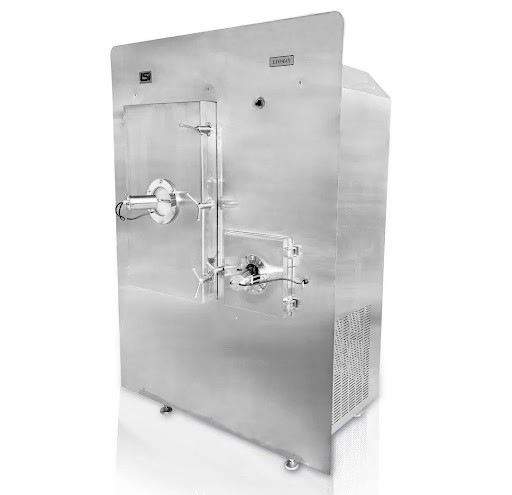

In the highly regulated pharmaceutical sector, drying technology plays a crucial role in determining product stability, efficacy, and shelf life. As drug formulations become more complex, manufacturers must carefully choose between freeze drying and conventional drying methods. For companies working with a Pharmaceutical Freeze Dryer Manufacturer in India, understanding the differences between these two drying techniques is essential for achieving quality, compliance, and long-term commercial success.
Understanding Conventional Drying in Pharmaceuticals
Conventional drying methods, such as tray drying, fluid bed drying, and vacuum drying, remove moisture by applying heat. These techniques are widely used in the pharmaceutical industry for drying powders, granules, and certain solid dosage forms.
The main advantage of conventional drying is its relatively low operational cost and simpler equipment design. It is suitable for heat-stable products where moisture removal does not impact chemical structure. However, high temperatures can cause degradation of sensitive active pharmaceutical ingredients (APIs), loss of potency, and changes in physical characteristics. This makes conventional drying less suitable for biologics, injectables, and thermolabile drugs.
What Is Freeze Drying (Lyophilization)?
Freeze drying, also known as lyophilization, is a low-temperature dehydration process where water is removed through sublimation. The product is first frozen, then exposed to a vacuum so ice transitions directly from solid to vapor.
Pharmaceutical freeze drying is widely used for vaccines, injectable drugs, biologics, peptides, and probiotics. The process preserves molecular structure, improves product stability, and significantly extends shelf life. As a result, pharmaceutical companies increasingly collaborate with experienced freeze dryer equipment suppliers for high-value formulations. Partnering with a reliable Pharmaceutical Freeze Dryer Manufacturer in India ensures access to advanced technology, technical expertise, and scalable solutions that support both domestic and global pharmaceutical growth.
Key Differences Between Freeze Drying and Conventional Drying
The most significant difference lies in temperature sensitivity. Freeze drying operates at extremely low temperatures, making it ideal for fragile compounds, whereas conventional drying relies on heat. Freeze-dried products retain their original structure, reconstitute quickly, and offer superior stability during storage and transportation.
Conventional drying, while faster and more economical, often leads to shrinkage, reduced solubility, and degradation in sensitive products. From a regulatory standpoint, freeze drying also offers better compliance for sterile pharmaceutical manufacturing when supported by advanced automation and validation features.
Why Freeze Drying Is Gaining Preference in Modern Pharma Manufacturing
With the rise of biologics and complex injectable drugs, freeze drying has become a preferred technology worldwide. Advanced lyophilization systems now integrate PLC controls, data logging, and GMP-compliant designs, making them highly reliable for regulated markets.
At this stage of decision-making, many pharmaceutical companies actively seek a Pharmaceutical Freeze Dryer Manufacturer in India that can deliver customized solutions, global quality standards, and cost efficiency—making India a strong manufacturing hub for freeze drying equipment.
Cost, Efficiency, and Long-Term Value Comparison
While freeze drying involves higher initial investment and longer cycle times, the long-term benefits outweigh the costs for high-value drugs. Reduced product loss, extended shelf life, and enhanced patient safety contribute to better overall returns.
Conventional drying remains suitable for bulk production of stable formulations, but it lacks the versatility required for today’s advanced drug pipelines. For export-oriented pharmaceutical companies, freeze drying often becomes a strategic necessity rather than an option.
Regulatory Compliance and Quality Assurance
Global regulatory authorities such as USFDA, WHO-GMP, and EU regulators emphasize product stability and sterility. Freeze drying aligns well with these requirements due to its controlled environment and minimal thermal stress. Modern pharmaceutical freeze dryers are designed with CIP/SIP systems, validation protocols, and documentation support to meet stringent compliance standards.
Indian manufacturers specializing in lyophilization equipment now offer world-class systems that meet international regulatory expectations while remaining cost-competitive.
Choosing the Right Drying Technology
The choice between freeze drying and conventional drying depends on formulation sensitivity, regulatory requirements, and target markets. As pharmaceutical innovation accelerates, freeze drying continues to gain dominance for critical drug applications.
Other Recommendations: Lyophilizers Manufacturers