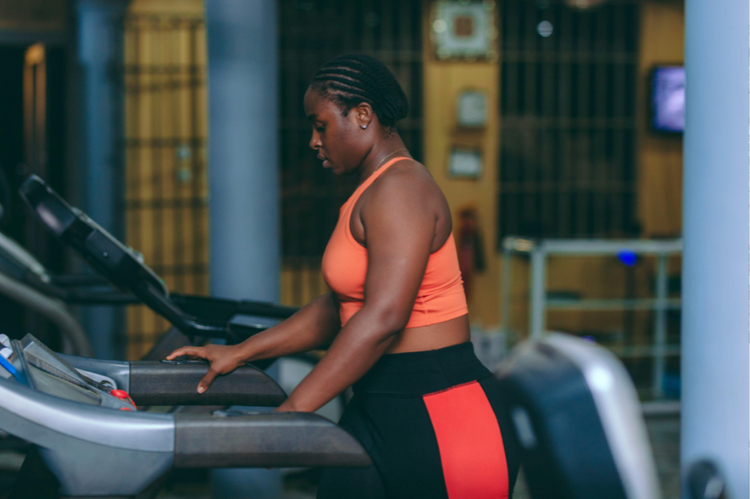

When you decide to get in shape, you may expect to feel motivated and ready. Instead, you might feel confused. You may not know which exercises to do. You may worry that you will look out of place. You may even question if you are fit enough to begin.
If this sounds like you, you are not alone.
When you start looking into fitness, the advice can feel all over the place. One source says lift heavy. Another says focus on cardio. Social media shows workouts that look out of reach. It can make you unsure where to begin.
You do not need a perfect plan. You just need a simple place to start and the commitment to keep going.
If you want direct support from someone who understands your local area and lifestyle, working with a personal trainer in Capitol Hill can help you cut through the confusion and focus on what actually works for you.
Below are practical fitness tips to help you move forward with confidence rather than stress.
10 Fitness Tips for Beginners Who Feel Overwhelmed
1. Start Smaller Than You Think You Should
When you feel motivated, you may want to change everything at once. You may plan to work out five days a week and completely change your diet. That plan often lasts two weeks.
Instead, begin with two or three workouts per week. Keep each session around 45 to 60 minutes. Choose basic movements like squats, push-ups, rows, and walking.
Starting small helps you stay consistent. Consistency builds real progress.
2. Learn Proper Form Before Adding Intensity
You may want to lift heavier or move faster to see results. But when you slow down and focus on form, you protect your joints and train the right muscles.
If you are unsure about an exercise, a fitness trainer can correct small mistakes and adjust movements to your level. Those small changes can help you avoid injury later.
3. Set One Clear and Measurable Goal
You may say, “I want to get fit.” That goal is too broad.
Instead, choose one clear target. You might aim to lose 10 pounds. You may want to complete 10 full push-ups. You might want to walk 30 minutes without stopping.
When your goal is specific, your workouts have direction. You know what you are working toward each week.
4. Create a Weekly Workout Schedule
If you decide each day whether to work out, you will often skip it. Your schedule should remove that decision.
Pick specific days and times. For example:
- Monday after work
- Wednesday morning
- Saturday afternoon
Treat these sessions like appointments. When workouts are part of your routine, they feel less overwhelming.
5. Stop Comparing Yourself to Others
You may look around the gym and think everyone else knows what they are doing. You may scroll online and see dramatic transformations.
Remember, you are seeing highlights, not the full story.
Your fitness journey depends on your age, work schedule, stress level, and past experience. Focus on improving your own numbers, not someone else’s progress.
6. Keep Your Workouts Simple
You do not need a complex workout plan. The basics work.
Stick with moves like squats, lunges, push-ups, dumbbell rows, planks, and brisk walking. Keep them in your routine and aim to improve a little each week.
Small, steady progress adds up.
7. Ask for Support When You Need It
Trying to figure everything out alone can feel exhausting. Support adds structure.
Some people benefit from in-person coaching. Others prefer flexible guidance through a personal trainer online who can provide programs and check-ins that fit a busy schedule.
If your main goal is fat loss, working with a personal trainer near me for weight loss at home can help you train in your own space while still following a clear plan.
Support keeps you accountable. It also gives you confidence that you are moving in the right direction.
8. Track Your Progress
When you feel stuck, progress tracking helps you see the truth.
Write down your workouts. Record the weights you lift. Measure how long you can hold a plank. Small improvements add up.
When you look back after a few weeks, you will see growth that you may not notice day to day.
9. Respect Rest and Recovery
You may think more workouts equal faster results. That belief often leads to burnout.
Your muscles grow stronger when they recover. Aim for seven to eight hours of sleep. Take at least one or two rest days each week. Stretch after workouts.
Recovery is not laziness. It is part of the process.
10. Think Long Term Instead of Short Term
Quick results are appealing. However, fast changes are hard to maintain.
Ask yourself if your routine is realistic for the next six months. If the answer is no, adjust it.
Fitness works best when it becomes part of your lifestyle. Small habits repeated over time create lasting change.
Summary: You Can Begin Without Feeling Perfect
You may feel nervous about starting. That is normal. What matters is taking one step forward.
Start with simple workouts. Focus on proper form. Choose one clear goal. Build a schedule that fits your life. Ask for help when you need direction.
You do not have to figure it out alone. If you are in Seattle and want structured, one-on-one support, J4 Personal Training offers personalized coaching designed to meet you where you are and help you build long-term strength and confidence.
You do not need to feel fully ready. You just need to begin.