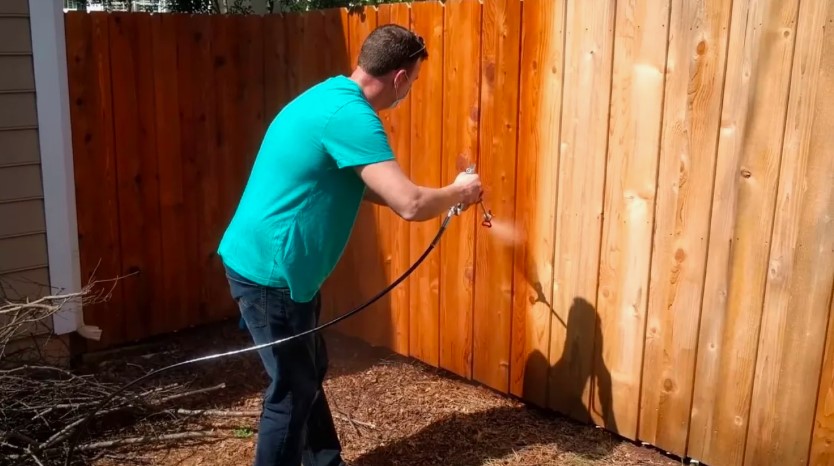

A fence is more than just a boundary for your property. It adds curb appeal, privacy, and security. However, without proper care, your fence can quickly lose its charm due to weather exposure, moisture, and sunlight. That’s where fence painting or staining becomes essential. Both methods protect your fence and improve its appearance, but choosing the right one depends on your needs and preferences. In this article, we’ll explore the benefits, differences, and tips to help you make the best decision.
Why Fence Painting or Staining Is Important
Over time, fences are exposed to rain, heat, wind, and UV rays. These elements can cause wood to crack, warp, fade, or rot. Painting or staining acts as a protective barrier that seals the surface and prevents moisture penetration. It also helps prevent insect damage and mold growth. Regular maintenance through painting or staining can extend the life of your fence by many years, saving you money on repairs or replacements.
Fence Painting: A Bold and Stylish Option
Fence painting involves applying a thick layer of paint to the surface. This creates a solid, opaque finish that completely covers the wood grain. Paint offers excellent protection against harsh weather and allows you to choose from a wide range of colors.
Benefits of Fence Painting:
- Provides strong protection from rain and sun
- Offers unlimited color choices to match your home
- Creates a smooth and polished look
- Lasts longer before needing a refresh
Paint is ideal if you want a modern, vibrant appearance or if your fence has visible imperfections that need covering. However, paint can peel or crack over time, especially in extreme weather conditions. Proper surface preparation is crucial to ensure long-lasting results.
Fence Staining: A Natural and Elegant Look
Fence staining penetrates the wood instead of sitting on top like paint. This allows the natural grain and texture of the wood to show through. Stains are available in transparent, semi-transparent, and solid options.
Benefits of Fence Staining:
- Enhances natural wood beauty
- Absorbs into wood for better durability
- Less peeling or cracking compared to paint
- Easier to reapply and maintain
Staining is perfect if you prefer a rustic or natural look. It’s also more breathable, allowing moisture to escape, which reduces the risk of rot. While stains don’t offer as many color choices as paint, they provide a timeless, elegant appearance.
Fence Painting or Staining: Which Should You Choose?
The decision between fence painting or staining depends on your goals. If you want bold colors and maximum coverage, painting is the better choice. If you prefer a natural look with easier maintenance, staining is ideal.
Choose painting if:
- You want a specific color
- Your fence has flaws you want to hide
- You prefer a smooth, uniform finish
Choose staining if:
- You love the natural wood look
- You want easier maintenance
- Your fence is new or in good condition
Preparation Tips for Best Results
No matter which option you choose, preparation is key. Start by cleaning the fence thoroughly to remove dirt, mildew, and old coatings. Repair any damaged boards or nails. Sand rough areas to ensure a smooth application. Always choose a dry day with mild temperatures for painting or staining to help it dry properly.
Use high-quality brushes, rollers, or sprayers for an even finish. Apply thin, even coats and allow proper drying time between layers.
How Often Should You Repaint or Restain?
Painted fences usually need refreshing every 3–5 years, depending on climate. Stained fences may need maintenance every 2–4 years. Regular inspections can help you catch signs of wear early, such as fading, cracking, or water absorption.
FAQs
- Is fence painting or staining better for longevity?
Painting generally lasts longer, but staining penetrates deeper and is easier to maintain. Both are durable when applied correctly. - Can I paint over a stained fence?
Yes, but you must clean and prime the surface first for proper adhesion. - Is staining cheaper than painting?
Staining is often slightly cheaper due to fewer coats and less prep work. - How long should I wait before staining a new fence?
Wait 4–6 weeks for the wood to dry completely before staining. - Can I do it myself or hire a professional?
DIY is possible, but professionals ensure better coverage, durability, and finish.
Conclusion
Wrought Iron Fencing is a smart investment that enhances your property’s appearance and protects your fence from damage. Painting offers bold style and strong protection, while staining provides a natural look with easier maintenance. By choosing the right method and following proper preparation steps, you can keep your fence looking beautiful and strong for years to come. Regular upkeep ensures long-term durability, saving you time and money in the future.