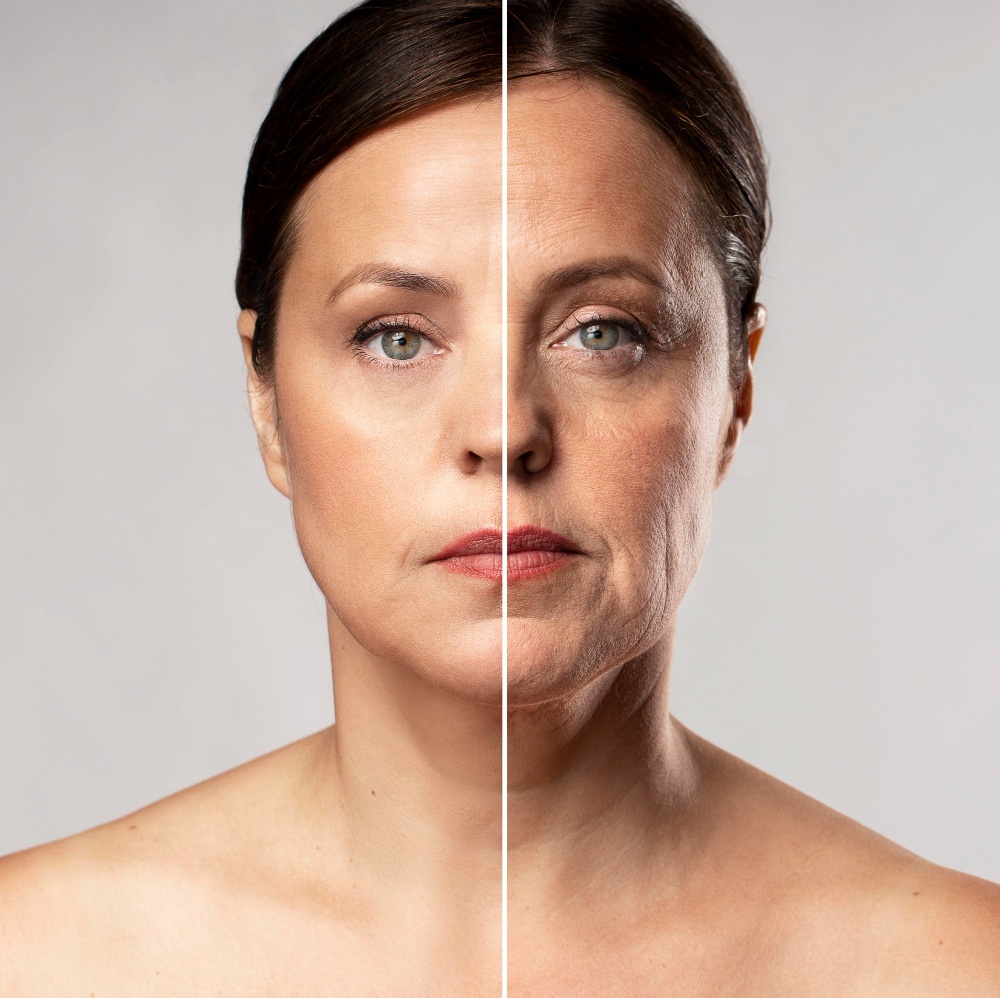

Aging rarely announces itself all at once. In most cases, it begins with small, almost unnoticeable changes—a softer jawline, slight drooping around the cheeks, or a loss of firmness that makeup can’t quite fix. Over time, these subtle shifts add up, leading many individuals to explore face lifting options.
In real-world practice, the biggest issue isn’t a lack of treatments—it’s the overwhelming number of choices. From surgical procedures to natural therapies, each promises results. However, outcomes vary widely depending on skin condition, age, and consistency of care. Understanding what truly works requires more than marketing claims—it requires experience and practical insight.
Why Skin Starts to Sag Over Time
Skin aging is not just about wrinkles. Professionals who work closely with clients observe a combination of internal and external factors:
- Gradual loss of collagen and elastin
- Reduced skin hydration
- Weakening of underlying facial muscles
- Lifestyle influences such as stress, diet, and sleep
These changes affect not only appearance but also how the skin responds to treatments. This is why two individuals of the same age can show completely different results.
Face Lifting Options: A Practical Breakdown
Surgical Procedures
Surgical lifting remains the most intensive option. It involves repositioning deeper tissues and removing excess skin.
From clinical observation:
- Results can last several years
- Recovery requires time and patience
- Outcomes depend heavily on surgical skill
While effective, this route is not suitable for everyone. Many individuals prefer less invasive alternatives due to recovery time and potential risks.
Non-Surgical Approaches
Non-invasive treatments have become increasingly popular, especially for those seeking gradual improvement.
Common methods include:
- Facial acupuncture
- Radiofrequency skin tightening
- Ultrasound-based therapies
- Microcurrent treatments
What experienced practitioners notice:
These treatments work best when done consistently. They do not create overnight transformation but instead improve skin quality over time—enhancing tone, circulation, and elasticity.
Natural and Holistic Methods
In recent years, there has been a shift toward treatments that support the body’s natural healing process. Clinics like Harmony Acupuncture Clinic often focus on techniques that stimulate internal balance rather than forcing external change.
These methods typically aim to:
- Improve blood circulation
- Relax facial tension
- Encourage collagen production
- Support overall well-being
While results are usually subtle, they tend to look more natural and age-appropriate.
What Results Actually Look Like
A common misunderstanding is expecting dramatic, instant results. In practice, realistic improvements include:
- Slight lifting of sagging areas
- Better skin texture and tone
- A fresher, more rested appearance
- Gradual improvement in facial symmetry
Professionals often find that the most satisfied individuals are those who value natural enhancement rather than drastic change.
Common Mistakes That Affect Results
1. Expecting Quick Fixes
Many treatments require multiple sessions. Impatience often leads to unnecessary switching between methods.
2. Ignoring Daily Habits
Skin health depends heavily on hydration, nutrition, and sleep. Treatments alone cannot compensate for poor lifestyle choices.
3. Over-Treating the Skin
More is not always better. Excessive procedures can stress the skin rather than improve it.
4. Choosing Trends Over Suitability
What works for one person may not work for another. Personalized assessment is essential.
Practical Insights from Real Experience
Professionals with years of hands-on work tend to follow a few consistent principles:
- Early care is more effective than late correction
- Combining mild treatments often gives better results than relying on one method
- Consistency matters more than intensity
- Natural-looking improvements are usually more sustainable
In many cases, individuals who commit to a long-term routine see more stable and satisfying outcomes than those looking for rapid transformation.
Understanding the Limitations
Transparent guidance is essential for building trust.
- Non-surgical methods cannot replicate surgical results
- Results vary depending on age and skin condition
- Maintenance sessions are often required
- Some individuals may respond slower than others
Acknowledging these limitations helps set realistic expectations and avoids disappointment.
Choosing the Right Approach
A responsible approach to face lifting starts with proper evaluation. This typically includes:
- Skin assessment
- Medical and lifestyle history
- Discussion of expectations
- Long-term planning
Experienced practitioners prioritize understanding the individual rather than recommending a one-size-fits-all solution.
A More Grounded Perspective on Skin Rejuvenation
In practice, the goal is rarely to “reverse age” completely. Instead, it is about restoring balance and improving how the skin functions over time. Subtle, consistent improvements often create a more natural and lasting impact than aggressive, short-term solutions.
Clinics that follow a holistic model—such as Harmony Acupuncture Clinic—often emphasize this balance between external treatment and internal health. This approach may not promise instant transformation, but it aligns more closely with how the body naturally responds to care.
Frequently Asked Questions (FAQs)
1. What is face lifting and how does it work?
Face lifting refers to treatments that improve skin firmness and reduce sagging. It works by tightening tissues, stimulating collagen, or repositioning deeper layers depending on the method used.
2. Is face lifting without surgery effective?
Non-surgical methods can be effective for mild to moderate sagging. They provide gradual, natural-looking results but usually require multiple sessions and maintenance.
3. How long do face lifting results last?
Results vary. Surgical outcomes may last several years, while non-invasive treatments typically require ongoing sessions to maintain improvements.
4. Is face lifting safe for all skin types?
Most non-invasive treatments are safe for different skin types when performed by trained professionals. However, suitability depends on individual skin conditions and medical history.
5. At what age should someone consider face lifting?
There is no fixed age. Many individuals start in their late 20s or 30s with preventive care, while others seek treatment later when signs of aging become more visible.