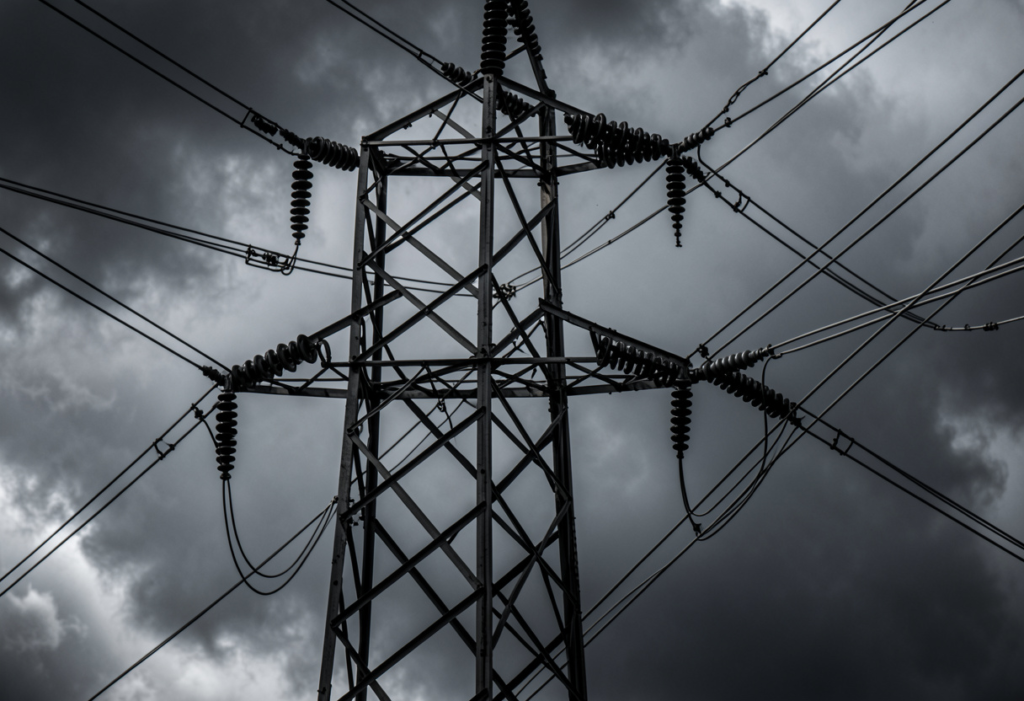

Designing a modern power substation requires a careful balance of efficiency, safety, reliability, and future scalability. Whether you’re planning a new installation or upgrading an existing system, following proven best practices in substation design ensures optimal performance and long-term sustainability. From strategic substation layout to advanced safety protocols, every detail matters in building a resilient electrical infrastructure.
1. Strategic Planning and Site Selection
A successful power substation design begins with thorough planning and smart site selection. Engineers must evaluate several factors, including proximity to load centers, environmental conditions, accessibility, and land availability.
Selecting a site close to demand centers reduces transmission losses and improves efficiency. At the same time, the location should allow for future expansion without major redesigns. Environmental considerations—such as flood risk, seismic activity, and temperature extremes—must also be factored in early to avoid costly issues later.
Proper planning ensures that the substation operates efficiently while minimizing risks to both equipment and personnel.
2. Optimizing Substation Layout
An effective substation layout is essential for operational efficiency and safety. A well-organized layout simplifies maintenance, reduces fault risks, and enhances system reliability.
Key layout considerations include:
-
Clear equipment spacing: Adequate distance between components prevents electrical faults and allows safe access.
-
Logical arrangement: Grouping related equipment improves operational flow and troubleshooting efficiency.
-
Accessibility: Maintenance teams should have easy access to all critical components without disrupting operations.
Busbar configurations (such as single bus, double bus, or breaker-and-a-half schemes) should be selected based on reliability requirements and budget. A well-designed layout minimizes downtime and ensures smooth operation even during faults or maintenance activities.
3. Equipment Selection and Standardization
Choosing the right equipment is a cornerstone of effective substation design. Transformers, circuit breakers, isolators, and protection systems must be selected based on load requirements, environmental conditions, and expected future demand.
Best practices include:
-
Using high-quality, certified equipment to ensure durability and performance
-
Standardizing components across the substation to simplify maintenance and reduce spare parts inventory
-
Incorporating energy-efficient technologies to reduce operational costs
Modern substations often integrate digital monitoring systems and smart devices, which enhance control and enable predictive maintenance. Investing in reliable equipment upfront reduces long-term costs and improves system stability.
4. Safety Measures and Compliance
Safety is non-negotiable in any power substation design. Engineers must adhere to international standards and local regulations to protect both personnel and equipment.
Important safety practices include:
-
Proper grounding and earthing systems to prevent electrical hazards
-
Installation of protective relays and circuit breakers to quickly isolate faults
-
Fire protection systems, including firewalls and suppression systems
-
Clear signage and restricted access zones to prevent unauthorized entry
Additionally, regular safety audits and training programs should be implemented to ensure ongoing compliance. A safety-first approach not only protects lives but also reduces downtime and liability risks.
5. Integration of Automation and Smart Technologies
Modern substation design increasingly relies on automation and digital technologies. Smart substations use advanced communication systems, sensors, and control software to improve efficiency and reliability.
Benefits of automation include:
-
Real-time monitoring and diagnostics
-
Faster fault detection and isolation
-
Reduced need for manual intervention
-
Improved data-driven decision-making
Supervisory Control and Data Acquisition (SCADA) systems and Intelligent Electronic Devices (IEDs) allow operators to manage substations remotely, enhancing operational flexibility and reducing response times during emergencies.
6. Planning for Scalability and Future Expansion
A forward-thinking substation layout should always account for future growth. As energy demand increases and technologies evolve, substations must be capable of adapting without major redesigns.
Design strategies for scalability include:
-
Allocating extra space for additional equipment
-
Using modular designs that allow easy upgrades
-
Installing higher-capacity infrastructure where feasible
Future-proofing the design ensures that the substation remains efficient and relevant for decades, avoiding costly retrofits and downtime.
Conclusion
Efficient and safe substation design is a critical component of a reliable power system. By focusing on strategic planning, optimized substation layout, high-quality equipment, strict safety measures, and modern automation, engineers can create substations that meet current demands while preparing for future challenges.
At keentel engineering, adopting these best practices ensures not only operational excellence but also long-term sustainability and safety. A well-designed power substation design is more than just infrastructure—it is the backbone of a stable and efficient energy network.