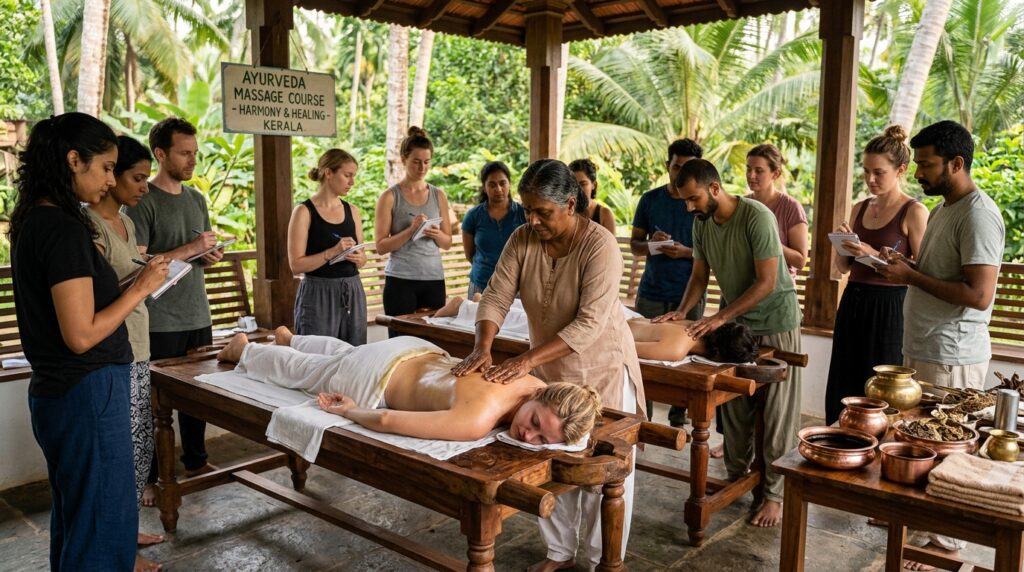

Ayurveda is one of the oldest and most respected systems of natural healing in the world. Originating in India more than 5,000 years ago, Ayurveda focuses on achieving harmony between the body, mind, and spirit through lifestyle practices, herbal remedies, nutrition, yoga, and therapeutic treatments. Among its many healing therapies, Ayurvedic massage is widely recognized for its ability to promote relaxation, improve circulation, detoxify the body, and restore energetic balance.
As interest in holistic health continues to grow globally, many wellness enthusiasts and professionals are seeking authentic training in Ayurvedic therapies. Enrolling in an Ayurveda Massage Course in India provides a unique opportunity to learn traditional healing techniques directly from experienced practitioners in the birthplace of Ayurveda.
This guide explores everything you need to know about an Ayurveda Massage Course in India, including its benefits, curriculum, career opportunities, and why India remains the preferred destination for Ayurvedic education.
What Is Ayurvedic Massage?
Ayurvedic massage is a therapeutic bodywork practice that uses specialized massage techniques along with herbal oils selected according to an individual’s body constitution, known as dosha.
Unlike conventional massage therapies that primarily focus on muscles and relaxation, Ayurvedic massage aims to balance the body’s energies while supporting overall physical, mental, and emotional well-being.
The therapy is designed to:
- Improve blood circulation
- Enhance lymphatic drainage
- Support detoxification
- Reduce stress and anxiety
- Improve flexibility
- Promote restful sleep
- Balance the doshas
- Encourage overall wellness
Ayurvedic massage is considered both a preventive and therapeutic healthcare practice.
Why Study Ayurveda Massage in India?
India is the birthplace of Ayurveda and remains the most authentic place to learn its healing traditions.
Authentic Learning Experience
An Ayurveda Massage Course in India allows students to study directly from experienced Ayurvedic practitioners who have extensive knowledge of traditional therapies and healing methods.
Cultural and Spiritual Immersion
Learning Ayurveda in India provides a deeper understanding of its philosophy, lifestyle practices, and spiritual foundations. Students gain insights that are often difficult to experience through books or online courses alone.
Global Recognition
Training in India is highly respected within the wellness industry. Many graduates use their knowledge and certification to pursue careers in holistic health around the world.
Understanding the Basics of Ayurveda
Before learning massage techniques, students are introduced to the fundamental principles of Ayurveda.
The Three Doshas
According to Ayurvedic philosophy, every person has a unique combination of three biological energies known as doshas.
Vata
Vata is associated with movement, creativity, and communication. It is linked to the elements of air and space.
Pitta
Pitta governs digestion, metabolism, and transformation. It is associated with fire and water.
Kapha
Kapha provides stability, strength, and nourishment. It is connected to the earth and water elements.
Understanding these doshas helps practitioners personalize treatments according to individual needs.
Balance and Wellness
Ayurveda teaches that health depends on maintaining balance among the doshas. Ayurvedic massage plays an important role in restoring this balance through therapeutic touch and herbal oils.
What Will You Learn in an Ayurveda Massage Course in India?
A comprehensive Ayurveda Massage Course in India typically combines theoretical knowledge with practical training.
Ayurvedic Philosophy and Principles
Students learn:
- History of Ayurveda
- Ayurvedic concepts of health
- Dosha assessment
- Lifestyle recommendations
- Daily wellness practices
These teachings provide the foundation for effective therapeutic work.
Traditional Ayurvedic Massage Techniques
One of the primary focuses of the course is learning authentic bodywork therapies.
Abhyanga
Abhyanga is a full-body massage using warm herbal oils. It helps improve circulation, nourish tissues, and calm the nervous system.
Marma Therapy
This specialized technique involves stimulating vital energy points throughout the body to encourage healing and balance.
Shiro Abhyanga
A therapeutic head massage designed to relieve stress, tension, and mental fatigue.
Pada Abhyanga
An Ayurvedic foot massage that supports relaxation and overall well-being.
Herbal Oils and Their Applications
Students gain knowledge of various Ayurvedic oils and their therapeutic properties. They learn how oils are selected based on an individual’s dosha and health condition.
Anatomy and Physiology
Many programs include basic anatomy and physiology to help students understand the body’s systems and how massage techniques influence muscles, joints, circulation, and the nervous system.
Professional Practice Skills
Advanced courses often cover:
- Client consultations
- Treatment planning
- Professional ethics
- Session management
- Business fundamentals
These skills prepare students for successful careers in wellness and massage therapy.
Benefits of Taking an Ayurveda Massage Course in India
Personal Growth and Wellness
Many students enroll to improve their own health and lifestyle.
Common benefits include:
- Reduced stress
- Increased self-awareness
- Better energy levels
- Improved emotional balance
- Enhanced mindfulness
Professional Development
An Ayurveda Massage Course in India can complement careers in:
- Massage therapy
- Yoga instruction
- Wellness coaching
- Holistic health
- Spa therapy
- Alternative medicine
Expanding Career Opportunities
Graduates may work in:
- Ayurvedic clinics
- Wellness centers
- Yoga retreats
- Luxury spas
- Healing centers
- Independent practices
The demand for qualified Ayurvedic therapists continues to increase worldwide.
Who Can Join an Ayurveda Massage Course?
Most programs welcome participants from diverse backgrounds.
The course is ideal for:
- Beginners
- Massage therapists
- Yoga teachers
- Wellness practitioners
- Healthcare professionals
- Holistic healers
- Wellness entrepreneurs
No prior experience is usually required for beginner-level training programs.
Popular Locations for Ayurvedic Massage Training in India
Several destinations are known for high-quality Ayurvedic education.
Rishikesh
Known as the Yoga Capital of the World, Rishikesh offers a unique blend of yoga, meditation, and Ayurvedic learning in a spiritual environment.
Kerala
Kerala is widely regarded as the heartland of Ayurveda and is famous for its traditional treatments and authentic healing centers.
Goa
Goa combines wellness education with a relaxed coastal atmosphere, attracting students from around the world.
Each location provides unique opportunities for cultural immersion and holistic learning.
How to Choose the Right Ayurveda Massage Course in India
When selecting a course, consider the following factors:
Experienced Teachers
Choose programs led by qualified Ayurvedic practitioners with extensive clinical and teaching experience.
Comprehensive Curriculum
A good course should cover both theoretical concepts and practical skills.
Hands-On Practice
Practical training is essential for developing confidence and competence.
Certification
If you intend to work professionally, ensure the program provides recognized certification.
Student Reviews
Reading testimonials can help you evaluate the quality and reputation of a training provider.
The Future of Ayurvedic Massage
As awareness of natural healing continues to grow, Ayurvedic massage is becoming increasingly popular worldwide. Wellness centers, spas, retreat facilities, and healthcare practitioners are integrating Ayurvedic therapies into their services.
This growing demand creates exciting opportunities for graduates of Ayurveda Massage Courses in India. By acquiring authentic training, students can position themselves for success in the expanding global wellness industry.
Conclusion
An Ayurveda Massage Course in India offers a unique opportunity to study one of the world’s oldest healing traditions in its country of origin. Through a combination of ancient wisdom, practical training, and holistic wellness education, students gain valuable knowledge that can enhance both their personal lives and professional careers.
Whether you are looking to start a career in holistic health, expand your existing wellness practice, or simply deepen your understanding of natural healing, an Ayurveda Massage Course in India provides a transformative learning experience. By studying authentic Ayurvedic therapies and massage techniques, you can develop the skills needed to promote balance, relaxation, and well-being for yourself and others.