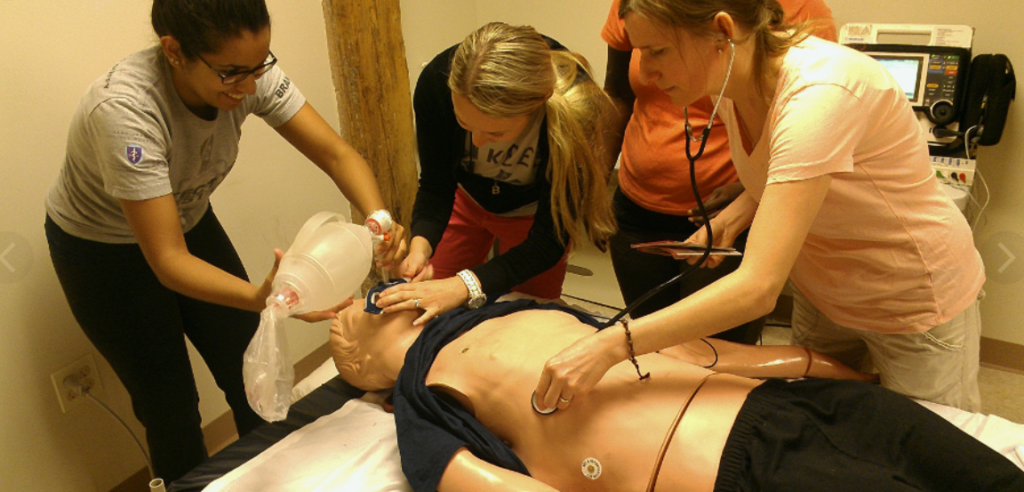

In our fast-paced world, emergencies can strike when we least expect them. Being equipped with the right skills can truly make the difference between life and death. The American Heart Association CPR Training offers individuals the vital knowledge and expertise needed to respond effectively to cardiovascular emergencies.
Whether you’re pursuing CPR certification for work or simply want to be better prepared in your personal life, understanding these life-saving techniques is absolutely essential. With increasing awareness around health and emergency preparedness, CPR training has become a valuable skill for people from all walks of life.
Learning CPR not only prepares you for emergencies at home or in public places but also enables you to assist colleagues, friends, or even strangers during critical situations.
Why is CPR Training Important?
Cardiopulmonary resuscitation (CPR) is a lifesaving skill that can significantly improve the chances of survival during a cardiac arrest situation. Studies and guidelines from the American Heart Association show that performing CPR immediately can double or even triple the chances of survival.
When a person experiences cardiac arrest, the heart stops pumping blood effectively. CPR helps maintain blood flow to the brain and vital organs until professional medical help arrives. Without timely intervention, irreversible damage can occur within minutes.
Key Benefits of CPR Training
-
Immediate Response
Knowing CPR allows you to act quickly and effectively during emergencies, reducing the time before care begins. -
Increased Confidence
Training helps build confidence so you can stay calm and take control in high-pressure situations. -
Life-Saving Skills
The techniques learned during CPR training can help save lives in real-world emergency scenarios. -
Better Awareness
CPR training increases awareness of emergency situations and teaches you how to respond appropriately.
American Heart Association CPR Training: What to Expect
When you enroll in an American Heart Association CPR Training course, you gain more than just basic knowledge. These programs are designed to provide comprehensive, hands-on learning experiences that prepare individuals for a variety of emergency situations.
The in-person Basic Life Support (BLS) CPR training is certified by the American Heart Association, ensuring that participants receive high-quality education aligned with the latest medical guidelines and safety standards.
These courses are suitable for healthcare professionals, workplace employees, and even individuals who want to enhance their emergency preparedness skills.
Course Components
-
Basic Life Support (BLS)
This module focuses on delivering high-quality CPR for adults, children, and infants, ensuring proper technique and timing. -
Automated External Defibrillator (AED) Use
Participants learn how to operate AED devices, which are essential for restoring normal heart rhythm during cardiac arrest. -
Team Dynamics
Understanding teamwork and communication is critical in emergencies, especially when multiple responders are involved. -
Emergency Response
This component teaches how to assess emergency situations, make quick decisions, and provide appropriate care. -
Hands-On Practice
Practical sessions allow participants to apply their knowledge in simulated scenarios, improving skill retention.
How CPR Training Enhances Emergency Response
The benefits of CPR training extend beyond simply learning chest compressions. It builds a mindset of readiness, awareness, and responsibility, enabling individuals to respond effectively during emergencies.
With proper training, individuals are better prepared to handle stressful situations and provide immediate assistance before medical professionals arrive.
Emergency Response Skills Developed
-
Recognize Signs of Cardiac Arrest
Understanding symptoms such as unresponsiveness and abnormal breathing helps in early identification. -
Initiate CPR Promptly
Quick action is crucial to prevent brain damage and improve survival outcomes. -
Utilize AEDs Effectively
Knowing how to use an AED increases the chances of restoring a normal heart rhythm. -
Provide Continuous Care
Maintaining CPR until help arrives ensures ongoing support for the victim.
Health and Safety Education: Building a Safer Community
Investing in CPR training is not just about personal preparedness—it contributes to the safety and well-being of the entire community. Training programs emphasize the importance of health education and proactive action.
As more people become CPR-certified, communities become more resilient and capable of responding to emergencies effectively.
Community Impact
-
Empowering Bystanders
Training enables ordinary individuals to act confidently in emergency situations. -
Reducing Emergency Response Time
Immediate assistance can be provided while waiting for professional responders. -
Promoting Health Awareness
Encourages discussions about heart health, prevention, and overall wellness. -
Strengthening Community Safety
A trained community is better equipped to handle unexpected health crises.
Future Trends in CPR Training
The field of emergency response training is continuously evolving. Technological advancements and modern learning tools are transforming how CPR training is delivered and practiced.
Staying updated with these developments ensures that individuals have access to the most effective and up-to-date training methods.
Emerging Trends
-
Virtual Reality Training
VR-based simulations provide immersive experiences, allowing learners to practice in realistic scenarios. -
Mobile Training Apps
Digital platforms make it easier to learn, revise, and stay updated with CPR techniques. -
Data-Driven Insights
Training programs are increasingly using data to improve teaching methods and outcomes. -
Blended Learning Models
Combining online theory with in-person practice offers flexibility and better learning efficiency.
Conclusion
The importance of American Heart Association CPR Training cannot be overstated. By learning these essential life-saving skills, individuals are better prepared to respond during emergencies and potentially save lives.
Whether you are seeking CPR certification for professional growth or personal development, the knowledge and confidence gained through training are invaluable. It empowers you to take action when every second matters.
Moreover, widespread CPR training contributes to building safer communities where individuals are ready to support one another during critical situations.
If you’re interested in enrolling in a course, explore the available in-person Basic Life Support CPR courses certified by the American Heart Association. Visit American Health Bio’s CPR Training page for more details and take the first step toward becoming a certified life-saver.