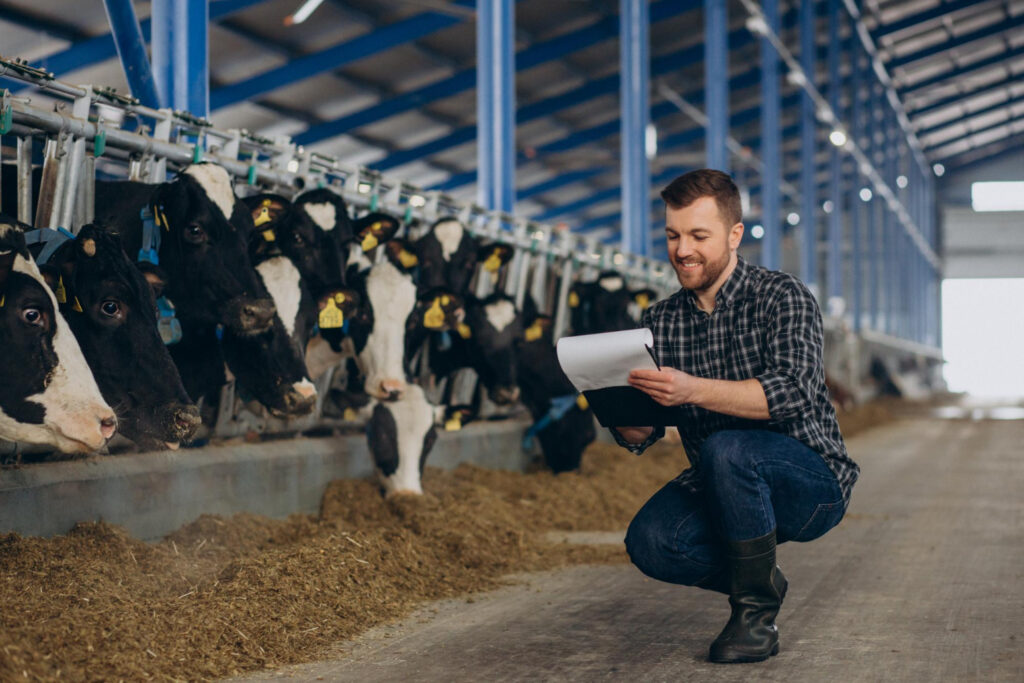

The dairy industry in 2026 is operating under tighter margins, stricter quality regulations, rising feed costs, and growing consumer demand for transparency. Traditional spreadsheets and disconnected software can no longer support modern dairy operations. This is where ERP for the dairy industry becomes a strategic advantage rather than just a technology upgrade.
A robust Dairy ERP system helps businesses cut operational costs, improve milk yield, reduce wastage, ensure compliance, and scale profitably. From farm management to processing, inventory, distribution, and finance—ERP connects every moving part into a single intelligent system.
In this blog, we explore how ERP software transforms dairy businesses and why 2026 is the right time to invest.
Why the Dairy Industry Needs ERP in 2026
The global dairy sector is facing challenges that demand smarter systems:
- Rising raw material and feed costs
- Shorter shelf life and higher wastage risks
- Complex cold chain and logistics management
- Strict food safety and traceability regulations
- Pressure to improve productivity and yield
- Demand for real-time reporting and forecasting
An ERP system tailored for dairy businesses addresses these issues by providing end-to-end visibility, automation, and data-driven decision-making.
What Is ERP for the Dairy Industry?
Dairy ERP is an integrated software solution designed specifically to manage dairy operations—from milk procurement and quality testing to production, packaging, inventory, sales, and finance.
Unlike generic ERP systems, dairy-focused ERP includes industry-specific modules such as:
- Milk collection & procurement
- Quality testing and grading
- Batch & lot traceability
- Cold storage & expiry tracking
- Yield optimization
- Regulatory compliance
Key Benefits of ERP for Dairy Businesses
1. Cut Operational Costs Across the Value Chain
ERP reduces costs by automating manual processes and eliminating inefficiencies.
How ERP cuts costs:
- Reduces milk wastage with expiry and batch tracking
- Optimizes inventory to prevent overstocking
- Automates procurement and vendor management
- Eliminates duplicate data entry and errors
- Improves maintenance planning for equipment
Many dairy businesses report 10–25% operational cost reduction within the first year of ERP implementation.
2. Boost Milk Yield and Production Efficiency
Improving yield is critical for profitability. ERP helps monitor and optimize every stage of production.
Yield improvement features include:
- Real-time monitoring of milk intake vs output
- Standardized production recipes and formulations
- Automated loss tracking during processing
- Performance comparison across plants or shifts
- Predictive analytics for demand planning
With ERP insights, dairies can increase yield by 5–15% without increasing raw milk procurement.
3. End-to-End Milk Traceability and Quality Control
Food safety regulations in 2026 require complete traceability—from farm to shelf.
ERP ensures:
- Batch-wise milk tracking
- Quality test records (fat, SNF, contamination)
- Supplier and farmer traceability
- Recall readiness within minutes
- Compliance with FSSAI, ISO, HACCP, FDA, and global standards
This not only avoids penalties but also builds consumer trust and brand credibility.
4. Smarter Inventory & Cold Chain Management
Managing perishable dairy products is one of the biggest challenges.
ERP enables:
- FIFO/FEFO inventory control
- Real-time stock visibility
- Automated expiry alerts
- Cold storage utilization tracking
- Reduced spoilage and write-offs
This leads to lower losses and better working capital management.
5. Financial Control and Profit Visibility
ERP integrates operations with finance, giving dairy owners a clear picture of profitability.
Key financial advantages:
- Real-time cost tracking per product or batch
- Automated invoicing and GST/VAT compliance
- Profitability analysis by product, plant, or region
- Accurate forecasting and budgeting
- Faster audits and reporting
In 2026, data-driven financial decisions are no longer optional—they are essential.
ERP Modules Essential for Dairy Industry
A modern dairy ERP should include:
- Milk Procurement Management
- Quality Testing & Lab Integration
- Production & Yield Management
- Inventory & Cold Storage Management
- Sales & Distribution Management
- Finance & Accounting
- Compliance & Traceability
- Reporting & Analytics Dashboards
Platforms like Odoo ERP, when customized for dairy operations, offer flexibility, scalability, and cost-effectiveness.
Cloud ERP vs On-Premise ERP for Dairy in 2026
Why Cloud ERP Is Winning:
- Lower upfront costs
- Faster deployment
- Remote access for multi-location dairies
- Automatic updates and security
- Scalable as business grows
For most dairy businesses in 2026, cloud-based ERP is the preferred choice.
ROI of ERP Implementation in Dairy Industry
ERP is not an expense—it’s an investment.
Typical ROI includes:
- Reduced wastage and spoilage
- Improved yield and productivity
- Lower labor and admin costs
- Faster decision-making
- Better customer satisfaction
Most dairy companies achieve ROI within 12–18 months of ERP implementation.
How to Choose the Right ERP for Your Dairy Business
When selecting an ERP, consider:
- Industry-specific dairy features
- Customization capabilities
- Ease of use for plant staff
- Integration with existing systems
- Scalability for future growth
- Strong implementation and support partner
A poorly implemented ERP can fail, but the right ERP partner makes all the difference.
Final Thoughts: ERP Is the Backbone of Dairy Success in 2026
The dairy industry is evolving rapidly, and businesses that rely on outdated systems will struggle to stay competitive. ERP for the dairy industry in 2026 is essential to cut costs, boost yield, ensure compliance, and drive sustainable growth.
By adopting a modern, dairy-specific ERP solution, businesses gain complete control over operations, improve profitability, and future-proof their organization.