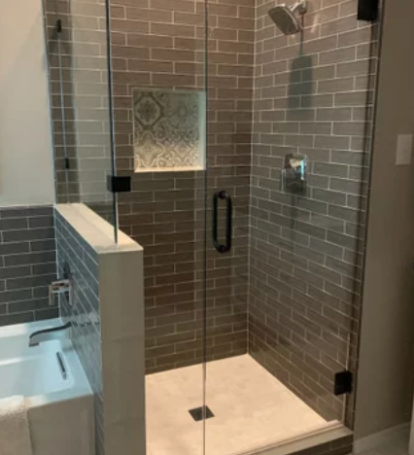

A great-looking shower is not just about the tile. The grout between the tiles also plays a big part in how the space looks, feels, and lasts over time. Many homeowners spend time picking the perfect tile, but give little thought to the grout. That small detail can make a big difference.
If you are planning a bathroom remodel tile shower project, or looking into grout repair shower tile services, it helps to understand the difference between epoxy grout and cement grout. Both have their advantages, and the right choice depends on your shower, budget, and long-term needs.
Why Grout Is So Important
Grout does more than fill the gaps between tiles. It helps hold the tiles in place, supports the overall surface, and reduces the chance of water moving into small spaces around the tile. The right grout also helps the shower stay cleaner and look fresh for years.
Like any part of a bathroom, grout experiences daily wear. Moisture, soap residue, and regular use can affect its condition over time. Choosing the right material from the beginning helps improve long-term performance.
Understanding Cement Grout
Cement grout has been used in showers for many years. It is made from cement, sand, and special additives that improve its strength.
Many homeowners choose cement grout because it works with many tile styles and comes in a wide range of colors. It also offers a clean, classic appearance that fits both traditional and modern bathrooms.
One thing to keep in mind is that cement grout is porous. It can absorb moisture and stains if it is not properly sealed. Regular sealing helps protect the grout and keeps it looking its best.
What Makes Epoxy Grout Different?
Epoxy grout is made with epoxy resins and a hardener instead of cement. Once it cures, it creates a dense surface that resists water, stains, and many household cleaning products.
This makes epoxy grout a popular choice for showers that experience frequent use. It also keeps its color well and does not require sealing like cement grout. Because epoxy grout sets differently, professional installation is important to achieve the best results.
Comparing Epoxy and Cement Grout
-
Water Resistance
Epoxy grout offers excellent water resistance. It does not absorb moisture the way cement grout can. Cement grout also performs well in showers, but it depends on proper sealing and routine maintenance to help reduce moisture absorption.
-
Cleaning and Maintenance
Epoxy grout is often easier to keep clean because dirt and soap residue stay closer to the surface. Cement grout usually needs more care over time. Periodic sealing helps reduce staining and supports long-lasting performance.
-
Durability
Both grout types can provide years of service when installed correctly. Epoxy grout is generally more resistant to cracking, stains, and heavy use. Cement grout is also durable but may require maintenance sooner in busy bathrooms.
-
Appearance
Both materials are available in many colors to match different tile styles. Cement grout provides a timeless look, while epoxy grout is known for maintaining its color with less discoloration over time.
Which Option Is Better for Your Shower?
The answer depends on your priorities. If you want a grout that requires less maintenance and offers strong resistance to moisture, epoxy grout is often a good choice.
If you are looking for a reliable and cost-effective option, cement grout continues to perform well in many showers when properly maintained.
A professional tile and grout specialist can recommend the right material based on the shower design, tile type, and expected daily use.
Don’t Ignore Worn Grout
Even quality grout can wear down over the years. Cracks, missing grout lines, stains, or loose sections should be addressed before they become larger problems. Water can move into damaged areas and affect the surface beneath the tile.
Professional grout repair shower tile services help restore the shower’s appearance while improving the condition of the grout. In many cases, repairs can extend the life of the tiled surface without the need for a full replacement.
A Smart Choice Starts with the Right Grout
If you are planning a bathroom remodel tile shower, remember that grout is just as important as the tile itself. It affects durability, maintenance, and the overall appearance of the shower.
Both epoxy grout and cement grout have their strengths. The best choice depends on your budget, maintenance preferences, and how the shower will be used. Speaking with experienced professionals helps ensure the grout selected is the right fit, giving your shower lasting performance and a clean, finished look for years to come.