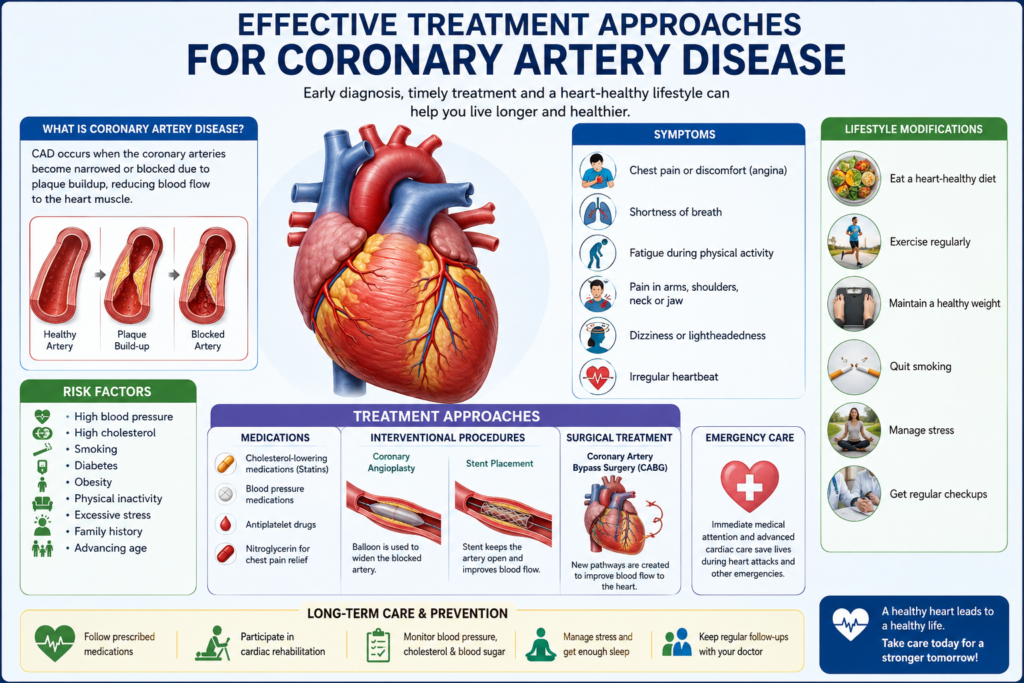

Understanding Coronary Artery Disease
Coronary Artery Disease (CAD) is one of the leading causes of heart-related complications worldwide. It occurs when the coronary arteries, which supply oxygen-rich blood to the heart muscle, become narrowed or blocked due to the buildup of fatty deposits known as plaque. This condition can reduce blood flow to the heart and increase the risk of chest pain, heart attacks, and other cardiovascular problems.
Early diagnosis and timely treatment play a crucial role in managing CAD and improving overall heart health. Seeking care from a reputed Cardiology Hospital In Chennai can help patients access advanced diagnostic tools and specialized treatment options that support long-term cardiovascular wellness.
Causes and Risk Factors
Several factors contribute to the development of coronary artery disease. Some risk factors are lifestyle-related, while others may be genetic or age-related.
Common risk factors include:
- High blood pressure
- High cholesterol levels
- Smoking and tobacco use
- Diabetes
- Obesity
- Physical inactivity
- Excessive stress
- Family history of heart disease
- Advancing age
Understanding these risk factors helps individuals take preventive measures and reduce the likelihood of developing severe heart conditions.
Recognizing the Symptoms
The symptoms of coronary artery disease may vary depending on the severity of the blockage. Some individuals may not experience noticeable symptoms until the disease has progressed significantly.
Common signs include:
- Chest pain or discomfort (angina)
- Shortness of breath
- Fatigue during physical activity
- Pain in the arms, shoulders, neck, or jaw
- Dizziness or lightheadedness
- Irregular heartbeat
Prompt medical attention is important when these symptoms appear, as early intervention can prevent complications and improve treatment outcomes.
Lifestyle Modifications as the Foundation of Treatment
Lifestyle changes form the cornerstone of coronary artery disease management. In many cases, adopting healthier habits can slow disease progression and reduce the risk of heart attacks.
Healthy Diet
A heart-friendly diet focuses on reducing saturated fats, trans fats, and excessive salt intake. Patients are encouraged to consume:
- Fresh fruits and vegetables
- Whole grains
- Lean proteins
- Nuts and seeds
- Healthy fats such as olive oil
Proper nutrition helps maintain healthy cholesterol levels and supports overall cardiovascular function.
Regular Physical Activity
Exercise strengthens the heart muscle and improves blood circulation. Activities such as walking, cycling, swimming, and yoga can significantly benefit heart health. Patients should consult healthcare professionals before starting any exercise regimen, especially if they have existing heart conditions.
Weight Management
Maintaining a healthy body weight reduces strain on the heart and lowers the risk of hypertension and diabetes. Gradual and sustainable weight loss can lead to substantial improvements in cardiovascular health.
Smoking Cessation
Smoking damages blood vessels and accelerates plaque buildup. Quitting smoking is one of the most effective ways to improve heart health and reduce future cardiovascular risks.
Medications for Coronary Artery Disease
When lifestyle changes alone are insufficient, doctors may prescribe medications to manage symptoms and prevent disease progression.
Cholesterol-Lowering Medications
Statins and other cholesterol-lowering drugs help reduce harmful LDL cholesterol levels and stabilize existing plaques, minimizing the risk of heart attacks.
Blood Pressure Medications
Managing blood pressure is essential for reducing stress on the heart and arteries. Various medications help maintain healthy blood pressure levels and improve circulation.
Antiplatelet Drugs
These medications reduce the risk of blood clot formation, which can block narrowed arteries and lead to heart attacks.
Nitroglycerin
Nitroglycerin is commonly prescribed to relieve chest pain by relaxing blood vessels and improving blood flow to the heart.
Medication plans should always be followed as prescribed, and regular follow-up visits are important to monitor effectiveness and make necessary adjustments.
Advanced Interventional Procedures
For patients with significant artery blockages, minimally invasive procedures may be recommended to restore blood flow.
Coronary Angioplasty
Angioplasty involves inserting a small balloon into the narrowed artery and inflating it to widen the passage. This procedure improves blood flow and relieves symptoms such as chest pain.
Stent Placement
During angioplasty, a small mesh tube called a stent may be placed within the artery to keep it open. Modern drug-eluting stents help reduce the risk of future blockages.
These procedures are commonly performed and often result in quicker recovery times compared to traditional surgery.
Coronary Artery Bypass Surgery
In severe cases where multiple arteries are blocked, coronary artery bypass grafting (CABG) may be recommended.
This surgical procedure creates new pathways for blood to reach the heart by using healthy blood vessels from other parts of the body. CABG can significantly improve blood flow, reduce symptoms, and enhance quality of life for patients with advanced coronary artery disease.
The decision to undergo bypass surgery depends on several factors, including the extent of artery blockage, overall health condition, and response to other treatment methods.
Importance of Emergency Cardiac Care
Heart-related emergencies require immediate medical attention. Hospitals equipped with advanced cardiac care facilities are prepared to handle critical situations such as heart attacks and severe coronary blockages.
In emergency scenarios, access to services such as a Blood Bank In Chennai can be crucial for supporting complex cardiac procedures and ensuring timely patient care. Comprehensive emergency infrastructure plays an important role in improving survival rates and treatment outcomes.
Long-Term Monitoring and Rehabilitation
Treatment does not end after medication or surgery. Long-term monitoring is essential to prevent recurrence and maintain optimal heart health.
Cardiac Rehabilitation
Cardiac rehabilitation programs provide structured guidance on exercise, nutrition, stress management, and lifestyle modification. These programs help patients regain confidence and improve physical fitness following treatment.
Regular Health Checkups
Routine medical evaluations help monitor cholesterol levels, blood pressure, blood sugar, and overall heart function. Early detection of any changes allows healthcare providers to adjust treatment plans promptly.
Stress Management
Chronic stress can negatively affect heart health. Techniques such as meditation, breathing exercises, counseling, and relaxation therapies can help manage stress effectively and support overall well-being.
Preventing Future Complications
Preventive care remains one of the most effective strategies against coronary artery disease. Individuals should focus on maintaining healthy habits throughout life, including balanced nutrition, regular exercise, adequate sleep, and routine medical screenings.
Managing underlying conditions such as diabetes and hypertension also contributes significantly to reducing cardiovascular risk. Consistent adherence to treatment recommendations helps patients lead active and fulfilling lives while minimizing the chances of future heart-related complications.
Conclusion
Coronary artery disease is a serious but manageable condition when diagnosed early and treated appropriately. Effective treatment approaches combine lifestyle modifications, medications, interventional procedures, and ongoing medical supervision. By adopting heart-healthy habits and seeking timely medical care, individuals can significantly reduce their risk of complications and improve their quality of life. A comprehensive approach focused on prevention, treatment, and long-term management remains the key to maintaining a healthy and strong heart.