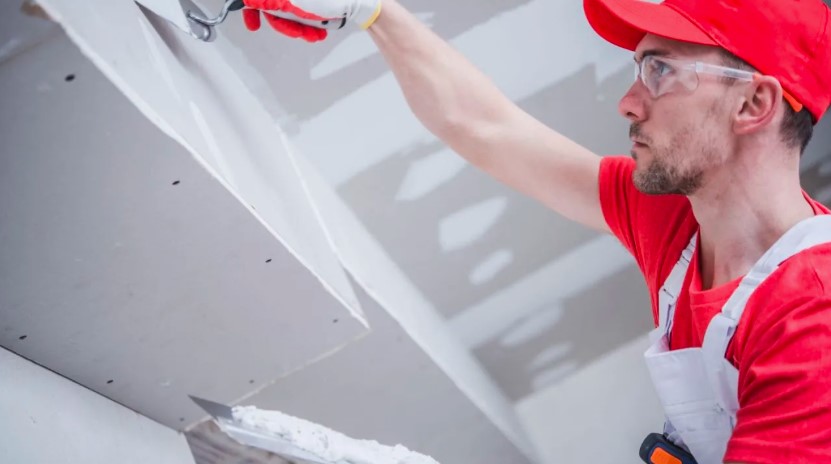

Drywall repair and painting are essential parts of maintaining a clean, attractive, and durable interior space. Whether you’re dealing with small nail holes, large cracks, water damage, or preparing your walls for a fresh coat of paint, proper drywall repair ensures a smooth and professional finish. When combined with high-quality painting techniques, it can completely transform your home or office.
We’ll explore the importance of drywall repair and painting, common problems, step-by-step processes, and expert tips to help you achieve flawless results.
Why Drywall Repair and Painting Matter
Drywall forms the foundation of your walls and ceilings. Over time, it can suffer damage from daily wear and tear, moisture, furniture impact, or structural movement. Ignoring these issues can lead to bigger problems, including mold growth and weakened wall structure.
Painting, on the other hand, enhances the appearance and protects the drywall from moisture and stains. Together, drywall repair and painting restore both the strength and beauty of your walls.
Common Drywall Issues
Before starting any repair, it’s important to identify the problem:
-
Small holes: Caused by nails, screws, or wall anchors
-
Cracks: Resulting from settling foundations or temperature changes
-
Dents: From accidental bumps or furniture impact
-
Water damage: From leaks, floods, or high humidity
-
Large holes: Due to doorknob damage or accidents
Each issue requires a specific repair approach to ensure long-lasting results.
Step-by-Step Drywall Repair Process
1. Clean the damaged area
Remove loose debris and dust using a dry cloth or brush. This helps the repair compound adhere properly.
2. Apply joint compound
For small holes and cracks, use a putty knife to apply a thin layer of joint compound. For larger holes, insert a drywall patch before applying compound.
3. Smooth and dry
Let the compound dry completely, then sand it smoothly to blend with the surrounding wall.
4. Repeat if needed
Deep holes may require multiple layers of compound for a seamless finish.
5. Prime the surface
Priming is essential to prevent flashing and ensure even paint absorption.
Preparing for Painting
Once drywall repair is complete, proper surface preparation makes all the difference:
-
Wipe down walls to remove dust
-
Use painter’s tape to protect trim and edges
-
Apply primer to repaired areas
-
Choose high-quality paint for durability
Painting Techniques for a Professional Finish
1. Start with edges
Use a brush to cut in around corners and trim.
2. Use a roller for large areas
Apply paint evenly using a “W” pattern for uniform coverage.
3. Apply multiple coats
Two coats usually provide better color depth and durability.
4. Allow proper drying time
Follow manufacturer guidelines to avoid peeling or streaks.
Benefits of Professional Drywall Repair and Painting
While DIY projects can be rewarding, hiring professionals offers several advantages:
-
Expert-level smooth finishes
-
Time-saving process
-
Proper tools and materials
-
Long-lasting results
-
Increased property value
Professional drywall repair and painting ensure flawless walls and a polished appearance.
Maintenance Tips
-
Address minor damage early
-
Keep moisture levels under control
-
Clean walls regularly
-
Touch up paint when needed
Proper maintenance extends the lifespan of your walls and paintwork.
FAQs
1. How long does drywall repair take?
Small repairs can take a few hours, while larger repairs may take 1–2 days including drying time.
2. Can I paint right after drywall repair?
No, you should wait until the compound is completely dry and sanded. Always apply primer before painting.
3. What type of paint is best for interior walls?
Latex-based paints are popular due to easy cleanup and durability.
4. How often should I repaint my walls?
Typically every 5–7 years, depending on wear and exposure.
5. Can water-damaged drywall be repaired?
Minor damage can be repaired, but severely damaged drywall should be replaced.
Conclusion
A Deck Painting And Staining play a crucial role in maintaining and enhancing your living or working space. From fixing minor cracks to repainting entire rooms, these improvements restore both function and beauty. Whether you choose to handle it yourself or hire professionals, proper preparation, quality materials, and expert techniques ensure lasting results. By keeping your walls in top condition, you’ll enjoy a cleaner, healthier, and more visually appealing environment for years to come.