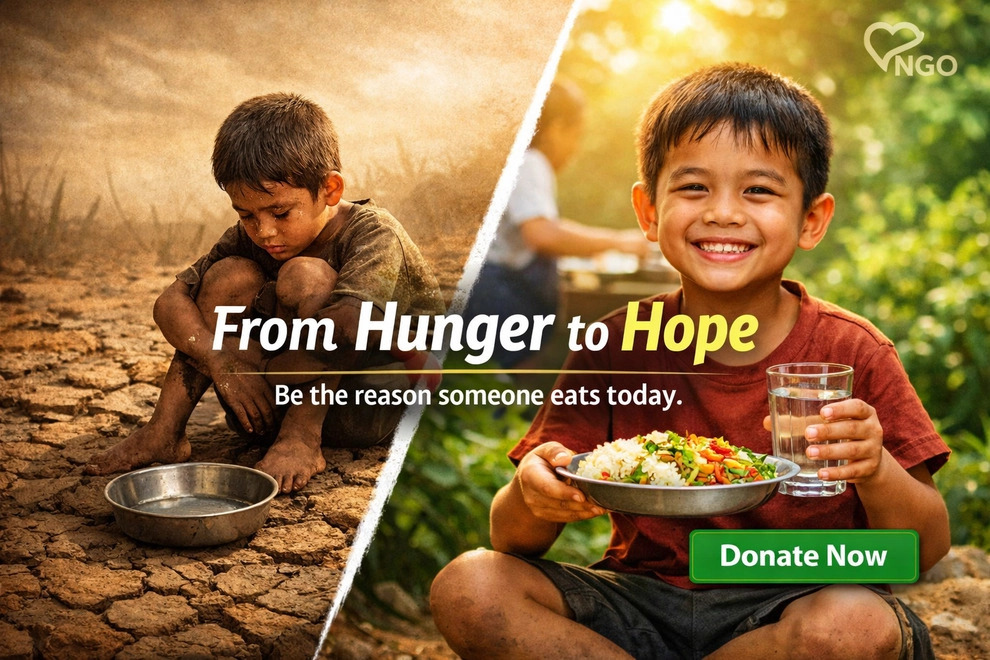

In a rapidly growing city like Hyderabad, economic development and modern infrastructure often hide a difficult reality. Thousands of daily wage workers, hospital attendants, migrant families, elderly individuals, and homeless citizens still struggle to access regular meals. While many people step forward during festivals or emergencies, the challenge of food insecurity exists throughout the year. This is one of the reasons why many individuals and organizations now choose to donate food in Hyderabad through structured community support programs instead of relying only on occasional charity drives.
Food donation is not simply about distributing meals. Experienced social workers and nonprofit volunteers understand that responsible food support requires planning, hygiene standards, coordination, and consistent community engagement. Over the years, several local initiatives across Hyderabad have highlighted both the impact and the practical challenges involved in feeding vulnerable populations.
Why Urban Hunger Remains a Serious Concern
Hyderabad is often associated with technology parks, educational institutions, and expanding business districts. However, urban growth also creates economic imbalance. Many low-income families live in informal settlements where stable employment and food security remain uncertain.
Field volunteers working in community kitchens and relief programs frequently observe a few recurring situations:
- Hospital caregivers skipping meals to reduce expenses
- Construction workers depending on irregular wages
- Elderly citizens living without family support
- Children in underserved communities lacking proper nutrition
- Migrant workers struggling during seasonal unemployment
These situations rarely receive public attention because they exist quietly within crowded urban spaces. The issue becomes even more visible during medical emergencies, monsoon disruptions, or periods of rising food prices.
Professionals involved in relief work often explain that hunger in cities is less about food availability and more about affordability and accessibility.
The Practical Side of Food Donation Efforts
People unfamiliar with social work sometimes assume meal distribution is straightforward. In reality, organizing food support programs requires careful coordination.
Those who regularly donate food in Hyderabad through organized campaigns often work around several operational concerns:
Maintaining Food Safety
One of the most important responsibilities is ensuring meals remain hygienic during preparation, storage, and transportation. Improper handling can create health risks, particularly for children, elderly individuals, and hospital patients.
Experienced volunteers usually avoid distributing food that:
- Has been stored for long periods
- Is partially consumed or improperly packed
- Cannot maintain freshness during transport
- Lacks clear preparation timing
Community organizations increasingly follow strict guidelines around cooking, packaging, and delivery schedules.
Identifying Genuine Need
Not every crowded location reflects the same level of vulnerability. Some areas may already receive regular support from multiple groups, while others remain overlooked.
Field teams often conduct local assessments before planning large-scale distribution drives. This helps reduce duplication and ensures assistance reaches underserved communities.
Managing Logistics
Transportation can become a major challenge in densely populated urban zones. Meal delivery requires coordination between kitchens, volunteers, local authorities, and community representatives.
Traffic conditions, weather disruptions, and storage limitations frequently affect operations, especially during large campaigns.
Common Mistakes People Make During Food Donation
Years of field experience reveal several well-intentioned mistakes that reduce the effectiveness of food support initiatives.
Distributing Excess Festival Food Without Planning
During celebrations, large quantities of leftover food are sometimes donated without checking storage conditions or shelf life. While the intention may be positive, unsafe food can create serious health issues.
Responsible organizations usually inspect donations before redistribution.
Focusing Only on One-Day Events
Short-term meal drives help temporarily, but communities facing chronic hunger often need continuous support systems. Experienced social workers emphasize consistency over visibility.
A smaller but regular feeding initiative may create more meaningful impact than a large one-time campaign.
Ignoring Nutritional Balance
Providing only calorie-heavy meals without nutritional value can limit long-term benefits. Balanced meal planning becomes especially important for children and elderly beneficiaries.
Some nonprofit kitchens now include basic nutrition guidelines while preparing food support packages.
How Local Communities Strengthen Food Support Programs
Successful food relief initiatives in Hyderabad often depend heavily on community participation. Residents, small businesses, volunteers, and local donors all contribute differently.
Some practical examples include:
- Restaurants donating surplus food responsibly
- Apartment communities organizing monthly meal drives
- Students volunteering during weekend distribution programs
- Local vendors contributing vegetables or cooking supplies
- Hospitals coordinating support for patient attendants
This collective involvement improves both reach and accountability.
Experienced nonprofit coordinators frequently mention that local trust is one of the most important factors behind sustainable food support programs. Communities are more likely to participate when they see transparency and consistent effort.
The Growing Role of Technology in Food Assistance
Technology has improved how organizations manage meal support across urban areas. Several groups now use digital systems to coordinate volunteers, donations, and delivery schedules.
Common improvements include:
- Real-time meal tracking
- Online contribution platforms
- Volunteer coordination apps
- Data collection for beneficiary mapping
- Alerts for surplus food availability
However, professionals working on the ground also acknowledge that technology alone cannot solve distribution challenges. Human coordination remains essential, particularly in low-connectivity or high-density areas.
Transparency Matters in Community Feeding Programs
Public trust plays a major role in long-term social initiatives. Donors increasingly expect clarity regarding how contributions are used.
Responsible organizations typically maintain transparency through:
- Distribution reports
- Volunteer documentation
- Photographic updates with consent
- Financial accountability records
- Clear communication regarding operational limitations
Experienced professionals in the nonprofit sector understand that transparency also means being honest about challenges. Delays, limited resources, or unexpected logistical issues are common realities in field operations.
Organizations that communicate openly often build stronger credibility over time.
Why Supporting Hospital and Shelter Feeding Programs Matters
One overlooked area in urban hunger relief is support near hospitals and temporary shelters. Families caring for patients frequently spend long hours away from home and may not have access to affordable meals.
Volunteers working near public hospitals in Hyderabad often report seeing caregivers surviving on tea and biscuits for entire days to save money for treatment expenses.
Similarly, homeless individuals and migrant laborers staying in temporary shelters may face irregular meal access during off-seasons or emergencies.
This is why many people choose to donate food in Hyderabad through programs connected to hospitals, shelters, and community kitchens rather than limiting support to public event-based distributions.
Responsible Food Donation Requires Long-Term Thinking
People entering social work for the first time sometimes focus only on immediate visibility. However, experienced professionals understand that sustainable hunger relief depends on continuity, partnerships, and realistic planning.
Some important long-term approaches include:
- Supporting local community kitchens
- Reducing food waste through structured redistribution
- Building volunteer training systems
- Encouraging nutritional awareness
- Creating partnerships with local suppliers and institutions
These strategies may not always attract public attention, but they often produce more stable community impact over time.
How Kind India Supports Meaningful Community Efforts
Organizations such as Kind India continue to highlight the importance of responsible and community-focused food support initiatives. Instead of treating meal distribution as a one-time activity, long-term efforts often involve understanding local needs, maintaining transparency, and improving coordination with volunteers and donors.
For individuals looking to donate food in Hyderabad, supporting structured initiatives can help ensure meals are distributed safely, respectfully, and where they are genuinely needed most. Thoughtful participation, even on a small scale, contributes to a broader culture of social responsibility within growing urban communities.
FAQs
1. Why is food donation important in Hyderabad?
Many low-income families, migrant workers, and hospital attendants struggle with regular meal access despite the city’s economic growth.
2. What should be checked before donating cooked food?
Food freshness, hygiene, packaging quality, and storage conditions should always be verified before distribution.
3. Can small contributions still make a difference?
Yes, even small but consistent support can help community kitchens and local feeding programs continue operations.
4. Which areas usually need food support the most?
Hospital surroundings, homeless shelters, labor colonies, and underserved urban communities often require regular assistance.
5. How can people support responsible meal distribution?
They can volunteer, contribute resources, reduce food waste, or support trusted organizations managing structured food relief programs.