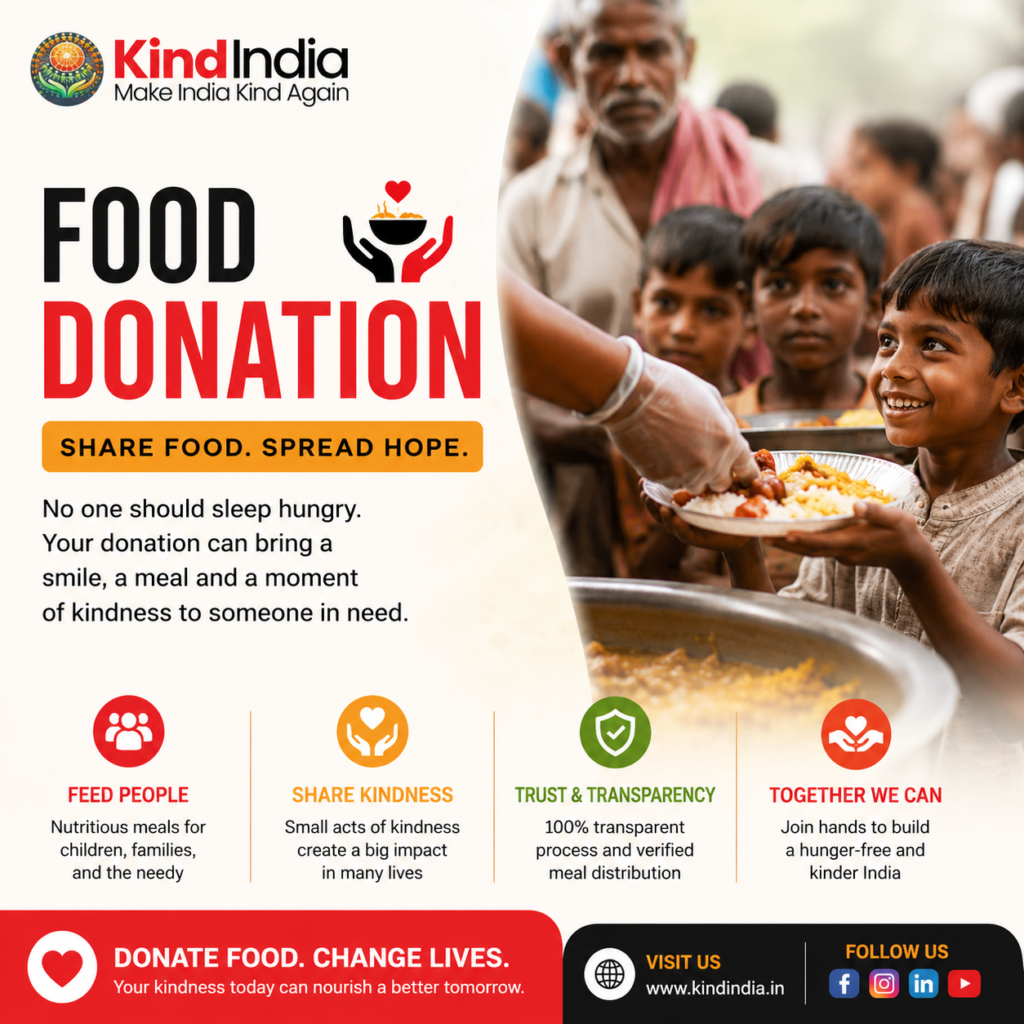

Hyderabad is often recognized for its growing technology sector, expanding infrastructure, and vibrant food culture. Yet beyond the busy commercial areas and modern developments, many people still struggle to access regular meals. Daily wage workers, migrant families, hospital attendants, homeless individuals, and elderly citizens living alone often face food insecurity that remains largely unnoticed in public conversations.
This growing imbalance between food availability and hunger is one of the reasons many individuals and organizations now choose to donate food in Hyderabad through structured community initiatives. However, professionals working in social welfare programs understand that meaningful food support involves much more than simply distributing meals. Responsible hunger relief requires planning, hygiene standards, local coordination, transparency, and long-term consistency.
Over the years, community workers and nonprofit volunteers have repeatedly observed that sustainable food support programs create greater impact when they focus on dignity and responsible implementation rather than short-term visibility.
Why Urban Hunger Continues to Exist in Hyderabad
Rapid urban development does not always eliminate social inequality. In cities like Hyderabad, many low-income families continue facing financial instability despite the presence of economic growth and employment opportunities.
Experienced volunteers involved in meal distribution programs frequently encounter situations such as:
- Hospital caregivers skipping meals to reduce treatment expenses
- Migrant workers struggling during seasonal unemployment
- Children attending school without proper nutrition
- Elderly individuals surviving without regular family support
- Daily wage laborers facing irregular income
These situations often remain hidden because many affected individuals continue working despite financial hardship. Hunger in urban areas is not always caused by complete unemployment. In many cases, it results from unstable income, rising living costs, and lack of social support systems.
Professionals working at the grassroots level often explain that hunger in cities is closely linked to affordability rather than food availability alone.
Why Responsible Food Donation Requires Planning
People unfamiliar with relief work sometimes assume meal distribution is simple. In reality, experienced nonprofit workers understand that food support operations involve multiple logistical and ethical responsibilities.
Food Hygiene and Safety
One of the biggest concerns in community meal programs is ensuring food remains safe for consumption.
Organizations that regularly donate food in Hyderabad often follow strict hygiene standards because vulnerable individuals, especially children and elderly beneficiaries, are more susceptible to food-related illnesses.
Responsible food support programs generally avoid distributing meals that:
- Have remained exposed for long periods
- Were stored improperly during transportation
- Lack freshness verification
- Contain ingredients likely to spoil quickly
Several organizations now work with trained kitchen teams and volunteers to maintain food quality during preparation and delivery.
Identifying Areas with Genuine Need
Not every location experiences the same level of food insecurity. Some areas may already receive frequent assistance, while others remain underserved.
Field workers often conduct local assessments before organizing distribution drives. Understanding community needs helps prevent resource duplication and ensures support reaches people facing serious hardship.
Coordinating Volunteers and Distribution
Transportation delays, weather disruptions, volunteer shortages, and storage limitations are common operational challenges during meal distribution activities.
Professionals with years of field experience understand that effective coordination plays a major role in maintaining both food quality and orderly distribution.
The Growing Concern Around Food Waste
India wastes a significant quantity of edible food every day through weddings, restaurants, hotels, festivals, and corporate events. At the same time, thousands of people continue struggling to access regular meals.
This contradiction has encouraged several community organizations to develop structured food recovery systems.
However, experienced volunteers consistently caution against careless redistribution of leftover food. Improperly stored meals can create serious health risks for vulnerable communities.
Responsible food redistribution generally involves:
- Timely collection of surplus food
- Inspection of freshness and quality
- Safe packaging methods
- Immediate transportation
- Organized delivery systems
Without proper management, even well-intentioned efforts may become ineffective or unsafe.
Common Mistakes People Make During Food Donation
Years of experience in community welfare programs reveal several recurring mistakes that reduce the effectiveness of hunger relief efforts.
Treating Food Support as a One-Day Activity
Many people organize meal drives during festivals, birthdays, or special occasions. While these initiatives are valuable, communities experiencing long-term food insecurity often require consistent support.
Smaller but regular feeding programs frequently create more stable impact than highly visible one-time events.
Ignoring Nutritional Balance
Providing only heavy or low-quality meals without nutritional value may not support long-term health, especially for children and elderly individuals.
Some organizations now focus on including balanced meal components whenever resources allow.
Donating Unsafe Leftovers
Food donated without checking freshness, preparation timing, or storage conditions can unintentionally create health risks.
Experienced volunteers usually inspect donated meals carefully before distribution.
Prioritizing Publicity Over Dignity
One concern frequently raised by nonprofit professionals is the public display of beneficiaries during food distribution.
Responsible organizations increasingly avoid photographing vulnerable individuals without consent and focus instead on maintaining respectful interactions.
How Local Communities Strengthen Food Relief Programs
Long-term hunger relief efforts rarely succeed through isolated activities alone. Community participation often becomes the foundation of effective support systems.
Across Hyderabad, local involvement includes:
- Restaurants donating surplus meals responsibly
- Apartment communities organizing ration drives
- Students volunteering during distribution programs
- Local vendors contributing vegetables and supplies
- Community kitchens supporting emergency feeding initiatives
Experienced coordinators often mention that trust within local communities improves accountability and operational efficiency.
People are more likely to support initiatives that demonstrate transparency and consistency over time.
The Role of Technology in Modern Food Support Programs
Technology has significantly improved how nonprofit organizations and volunteer groups manage food donation activities.
Several organizations now use digital systems for:
- Volunteer coordination
- Donation tracking
- Meal distribution planning
- Beneficiary mapping
- Emergency food alerts
These tools help improve operational efficiency, especially during emergencies or large-scale community drives.
However, professionals working on the ground also emphasize that technology alone cannot replace field-level understanding and direct human engagement.
Transparency Is Essential in Community Feeding Programs
Public trust plays an extremely important role in long-term food relief efforts.
People contributing to community initiatives increasingly expect clarity regarding how resources are utilized and how programs operate.
Responsible organizations often maintain transparency through:
- Distribution records
- Financial reporting
- Volunteer documentation
- Ethical communication practices
- Community participation in planning
Transparency also involves acknowledging operational limitations. Funding shortages, transportation delays, volunteer gaps, and weather conditions are common realities in social work.
Organizations that communicate honestly about these challenges generally build stronger long-term credibility.
Why Hospital Feeding Programs Matter
One area frequently overlooked in urban hunger relief involves support near hospitals.
Families caring for hospitalized patients often spend extended periods away from home while managing rising medical expenses. Volunteers working near public hospitals regularly observe caregivers surviving on minimal food to save money for treatment costs.
Similarly, homeless individuals and migrant laborers staying in temporary shelters may face irregular meal access during periods of unemployment or emergency situations.
This is one reason many organizations choose to donate food in Hyderabad through hospital feeding initiatives and community kitchens rather than focusing only on event-based distributions.
How Kind India Supports Responsible Food Donation Efforts
Organizations such as Kind India continue highlighting the importance of structured and community-focused food support initiatives. Instead of approaching hunger relief as a short-term activity, responsible efforts often involve understanding local needs, maintaining food hygiene standards, and improving volunteer coordination.
Through community-driven initiatives, Kind India emphasizes transparency, dignity, and consistent support for vulnerable individuals facing food insecurity. Thoughtful food donation programs can help support hospital attendants, underserved children, migrant workers, and low-income families in a safe and organized manner.
For individuals looking to donate food in Hyderabad, supporting structured community initiatives often creates more meaningful long-term impact than temporary visibility-driven campaigns. Sustainable social change usually develops gradually through responsible participation, local trust, and continuous community engagement.
FAQs
1. Why is food donation important in Hyderabad?
Many low-income families, migrant workers, and hospital attendants struggle with regular meal access despite urban development and economic growth.
2. What should people check before donating cooked food?
Freshness, hygiene, safe packaging, and proper storage conditions should always be verified before distribution.
3. Can small food donations still make a difference?
Yes, regular small contributions can support community kitchens and local meal distribution programs effectively.
4. Which communities often need food support the most?
Hospital caregivers, homeless individuals, migrant workers, and underserved families frequently require regular meal assistance.
5. How does Kind India support food donation initiatives?
Kind India supports responsible and community-focused food donation efforts through organized distribution systems, transparency, and long-term hunger relief initiatives.