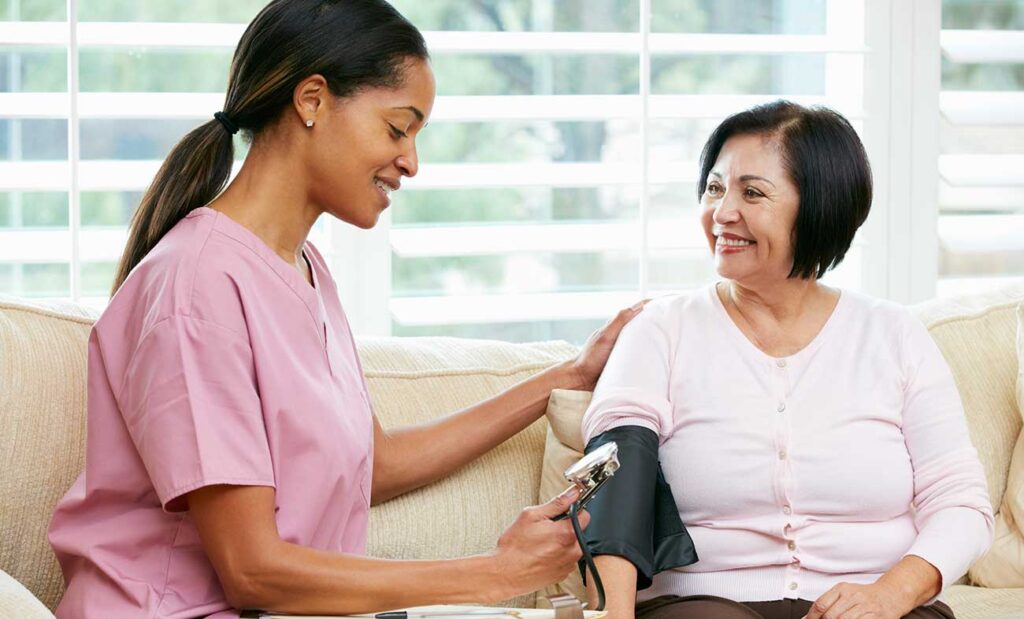

Healthcare has evolved to meet the growing need for convenience, accessibility, and personalized attention. For many patients, traveling to clinics or hospitals can be stressful, time-consuming, or physically challenging. Doctor at home services offer a solution by delivering professional medical care directly to your doorstep. These services are versatile and capable of managing a wide range of health conditions, making them an attractive option for patients seeking timely and efficient healthcare in the comfort of their own homes.
Understanding Doctor-at-Home Services:
Doctor-at-home services involve licensed medical professionals visiting patients to provide consultations, diagnostics, treatments, and follow-up care. The aim is to offer healthcare that is flexible, patient-centered, and safe while maintaining the same quality standards found in clinics or hospitals. This model is particularly useful for patients with mobility challenges, chronic conditions, or non-emergency acute illnesses.
Acute Illnesses That Can Be Treated:
Home visits are well-suited for managing common acute illnesses that do not require immediate hospitalization. Conditions treated at home include:
-
Fever, cold, and flu symptoms
-
Mild respiratory infections like bronchitis
-
Ear infections and throat infections
-
Gastrointestinal issues such as diarrhea or mild food poisoning
Prompt home care allows patients to receive treatment early, preventing complications and improving recovery times.
Chronic Condition Management:
Patients with long-term health issues often require regular monitoring and consistent care. Doctor-at-home services are ideal for managing chronic conditions such as:
-
Diabetes and blood sugar monitoring
-
High blood pressure and hypertension management
-
Asthma and chronic respiratory conditions
-
Heart conditions requiring medication adjustments and follow-ups
Regular home visits help maintain stability, monitor progress, and adjust treatment plans as needed.
Post-Surgery and Recovery Support:
Recovery after surgery often demands close monitoring, medication management, and reassurance. Home visits provide a safe environment for post-operative care, including:
-
Wound care and infection prevention
-
Pain management and medication administration
-
Monitoring for complications or changes in condition
-
Guidance on diet, mobility, and lifestyle adjustments
This approach reduces the need for repeated clinic visits and supports faster, more comfortable recovery.
Pediatric Care at Home:
Doctor-at-home services are increasingly used for children, offering a stress-free environment for pediatric care. Common pediatric conditions treated at home include:
-
Fever, cold, and flu in children
-
Allergies and asthma flare-ups
-
Minor injuries and infections
-
Routine health check-ups and vaccinations
Home visits reduce anxiety for young patients and allow parents to actively participate in the child’s care.
Geriatric Care and Elderly Patients:
Elderly individuals often face mobility challenges and multiple health conditions. Home-based care ensures seniors receive the attention they need, including:
-
Chronic condition management and follow-ups
-
Medication review and administration
-
Monitoring for age-related health issues
-
Assistance with mobility or daily activity concerns
Home visits improve safety, comfort, and adherence to treatment plans for older adults.
Mental Health and Supportive Care:
While more limited in scope, certain aspects of mental health support can be offered during home visits. Doctors can assess stress, anxiety, or sleep issues and provide guidance, early interventions, or referrals when necessary. Combining physical and emotional care at home ensures a holistic approach to health.
Preventive Care and Routine Check-Ups:
Doctor-at-home services are not limited to illness management. Preventive care is a crucial component and includes:
-
Annual health check-ups and screenings
-
Vaccinations and immunizations
-
Lifestyle and diet consultations
-
Monitoring vital signs and early detection of potential issues
Proactive care helps patients avoid complications and supports long-term wellness.
Advantages of Treating Conditions at Home:
Home-based care provides multiple benefits that improve the patient experience and outcomes:
-
Comfort of a familiar environment
-
Reduced exposure to contagious diseases in clinics
-
Personalized attention and longer consultations
-
Convenient scheduling and flexible timing
These advantages enhance treatment adherence and encourage patients to seek timely care.
When to Seek Clinic or Hospital Care:
While many conditions can be treated at home, some require advanced medical facilities. Emergency situations, severe injuries, or symptoms requiring imaging, surgery, or specialized interventions should still be addressed in hospitals. Understanding the limitations ensures patients receive the right level of care for serious conditions.
Final Thoughts
Doctor-at-home services offer a flexible and patient-centered approach to managing a wide range of health conditions. From acute illnesses and chronic disease management to pediatric and geriatric care, these services make healthcare more accessible, comfortable, and efficient. By delivering professional medical attention directly to patients’ homes, Doctor at home services are redefining how care is delivered and making it easier for individuals and families to maintain optimal health.