
Even though artificial intelligence is reshaping how DevOps work gets done, it isn’t replacing the discipline or the professionals behind it. What’s changing is how DevOps teams operate, not whether they exist.
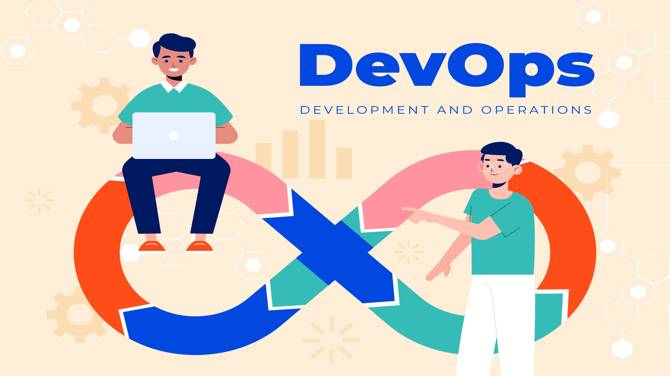
At its core, DevOps is a culture and set of practices that brings software development and IT operations closer to improve speed, quality, and reliability. It includes automation, continuous integration/continuous delivery (CI/CD), monitoring, infrastructure as code, and a strong focus on collaboration. These fundamentals are still highly relevant in 2026.
How AI is Impacting DevOps
What AI is doing in DevOps is mostly automation and augmentation, not replacement. AI tools now help with tasks that used to take a lot of manual effort:
- Generating and optimizing CI/CD pipelines
- Predicting failures and performance issues before they happen
- Analyzing logs and metrics at scale
- Automating incident response and even self-healing infrastructure
- Improving security checks and compliance
These capabilities save time and reduce human error, but they don’t eliminate the need for skilled professionals to guide, validate, and improve the processes.
Why DevOps Engineers Still Matter
DevOps engineers will not be replaced because the work involves more than running tools. Their role includes:
Architecture and strategy: deciding how systems are designed and how teams collaborate.
Governance and quality standards: defining what quality means and ensuring AI-generated output meets those criteria.
Problem solving and context: interpreting insights and making decisions that AI can’t reliably make on its own.
This shift mirrors industry sentiment that AI changes jobs rather than eliminates them. Analysts note that tasks shift toward coordination and oversight rather than pure production work.
Artificial Intelligence is transforming the IT industry, raising a common question: Will AI replace DevOps engineers in 2026? The answer is no. While AI is automating repetitive tasks like monitoring, testing, and deployment optimization, DevOps professionals remain critical for infrastructure planning, cloud architecture, security implementation, and CI/CD pipeline management.
Rather than replacing DevOps, AI is enhancing it. Modern teams are integrating intelligent automation with tools like Docker and Kubernetes to improve efficiency and system reliability. Companies now prefer engineers who can combine DevOps expertise with AI-driven automation skills.
At Fusion Software Institute, we closely observe industry hiring trends and see consistent demand for skilled DevOps professionals who adapt to evolving technologies. In 2026, DevOps is not disappearing — it is evolving. Understanding this shift is essential for anyone planning a long-term career in cloud computing and automation.
The fear surrounding AI and DevOps has grown rapidly over the last few years. One major reason is the sudden rise of AIOps platforms that promise self-healing systems, automated remediation, and zero human intervention. These claims often create the impression that DevOps engineers are no longer required.
Another factor is the way AI is marketed in tech media. Headlines frequently suggest that AI will “replace jobs,” without explaining which tasks are being automated versus which responsibilities still require human ownership. For professionals already working in fast-changing environments – or considering a DevOps course in Pune – this messaging creates understandable anxiety.
Finally, DevOps roles themselves are evolving. As organizations adopt cloud-native architectures and automation-first approaches, traditional operational work decreases. This shift leads many to assume that fewer engineers are needed – when in reality, the skill set is expanding, not shrinking.
Conclusion:
AI is transforming DevOps workflows, making them faster and more efficient. But it isn’t a substitute for the discipline itself or the professionals who make DevOps work. DevOps isn’t being replaced in 2026. Instead, it’s evolving into a smarter, more collaborative practice where engineers and AI systems work together.
Organizations and professionals who focus on learning AI-enabled tools and modern DevOps practices are the ones most likely to thrive