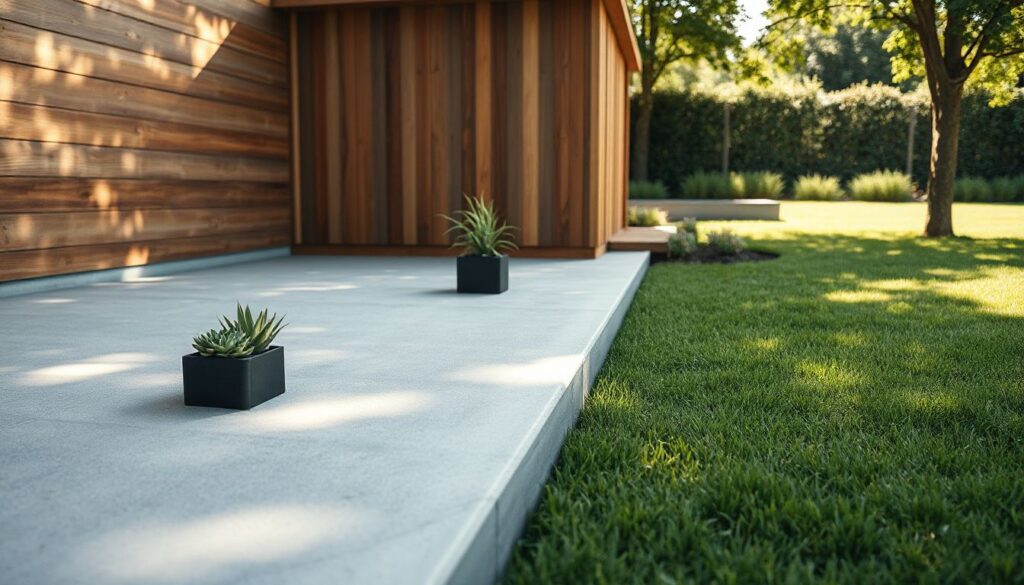

Great outdoor design combines aesthetics with utility. Building a shed base that doubles as a patio is one of the growingly well-known trends among homeowners. In addition to saving space and money, this dual-purpose design gives your backyard flair and adaptability. Whether you are dealing with a more sizable suburban lot or a small urban garden, a multifunctional Shed Base patio can be both aesthetically pleasing and useful. Here is a guide to plan, design, and carry a project of this kind effectively.
Understanding The Concept
Usually, a shed base provides a solid, level footing for your garden shed that guarantees stability and long life. Usually, it is made from timber decking, paving stones, or concrete. Conversely, a patio is a recreation area meant for relaxing, entertaining, and outdoor appreciation.
Combining these two would mean using quality, load-bearing materials positioned in a design accommodating both the aesthetic and functional needs of a patio as well as the structural demands of a shed. While the rest is open and available for patio use, the shed might take up a corner or part of the base.
Key Considerations Before Starting
1.Geographic and Directional
Select a level, well-draining spot with plenty of sunshine exposure. Think about the way both the patio and shed face your house, garden, and prevailing wind/sunlight.
2.Shed Size And Position
Measure the dimensions of your shed, then decide where on the patio base it would be placed. It should ideally rest on one edge or corner, hence keeping most of the base free.
3.Weight Distribution And load
Make sure the foundation can handle the weight of the shed plus any hefty goods kept inside. Under the shed area, reinforcement might be required.
4.Regional Rules
Regarding outbuildings and patio installations, verify with local authorities or homeowners’ associations for zoning, permits, or construction codes.
Choosing The Right Materials
Durability and aesthetic harmony are key when selecting materials. Popular options include:
Concrete Slab Perfect for underpinning heavy sheds, a concrete slab can be stained or stamped for a more decorative patio look.
Paving Slabs Or Bricks: Versatile and beautiful paving slabs or bricks fit light to medium-weight sheds and permit pattern customizing.
Timber Decking Visually warm and inviting, perfect for modern surroundings; best for smaller sheds with lighter loads. Timber decking is
You might also think of joining materials—paving stones for the surrounding patio space and concrete for the shed area.
Design Tips For Seamless Integration
Cohesive Aesthetic:
For a unified appearance, employ regular materials and colors throughout the patio and Shed Bases. Match the shed’s outside with patio planters or furniture.
Define Zones: Zones are defined areas or regions that have particular characteristics or uses.
Visually isolate the shed zone from the lounging area using decorative borders, textural variations, or several paving designs.
Add Landscaping: Add flower beds, climbing plants, or little trees around the borders to help to soften the hardscape and improve the mood.
Functional Furniture: Choose foldable or multipurpose furniture that allows easy access to the shed. For instance, a storage bench could serve two purposes: seating and a place to store garden tools.
Construction Guidelines
Site Preparation:
Remove rubbish, roots, and grass from the region. Dig to a depth appropriate for your selected base—usually 100–150 millimeters . For stability, compact the soil.
Laying The Sub-Base:
Crushed stone or gravel should be layered and compacted thoroughly. This shifts the foundation and helps water flow.
Installing The Base:
Using forms to define the area, pour and level the combination in one pass. For pavers, cover the sub-base with sand, level it, and then use spacers to lay the slabs or bricks.
Anchoring The Shed: Use appropriate anchors or bolts to fasten the shed to guard against uplift or movement in strong winds.
Benefits Of A Dual-Purpose Design
- Cost-Efficiency: Saves money by negating the requirement for a separate patio or shed foundation.
- Space Optimization: Maximizes usable space, particularly in tiny yards, space optimization.
- Visual appeal: produces a neat, organized look.
- Multi-Functionality: encourages imaginative outdoor space use—be it for gardening, storage, or leisure.
Read This:https://www.postscontent.com/
Final Thoughts
A smart and elegant answer for contemporary gardens is a shed base design that also serves as a patio. Careful planning and execution will allow you to enjoy the usefulness of a nice shed base together with the coziness of an outdoor living area inviting. Whether you are barbecuing, potting plants, or getting tools from your shed, this combined approach improves both form and function in your backyard.