
Hair loss can affect confidence, appearance, and even the way people interact socially. Modern hair systems have evolved significantly, offering natural-looking solutions that blend seamlessly with existing hair. Today’s advanced systems focus on realism, comfort, and durability, making them nearly impossible to detect. People seeking fuller and more youthful hair often explore Hair Replacement in Dubai because of the growing demand for sophisticated non-surgical hair enhancement options that prioritize natural aesthetics. The realism of these systems depends heavily on specific design features that replicate the appearance and behavior of natural hair.
Natural Hairline Construction
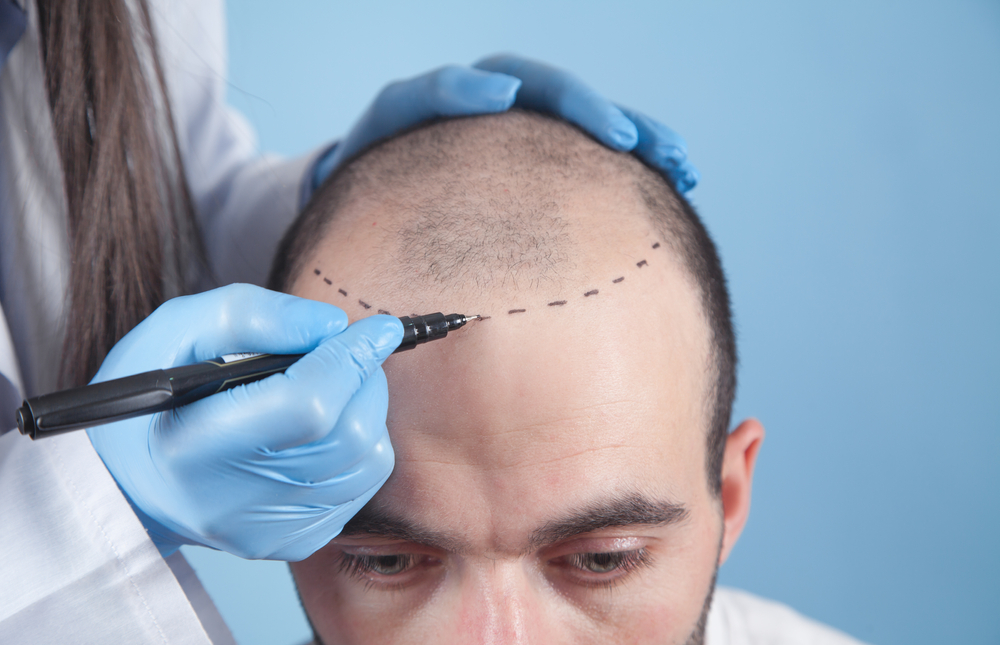
One of the most critical elements in a realistic hair replacement system is the hairline. An unnatural hairline is often the first sign that a system is being worn. Modern systems are carefully designed with irregular and soft hairline patterns that imitate the way natural hair grows.
Instead of creating a perfectly straight edge, designers incorporate gradual density transitions and varied strand directions. This subtle detailing helps the front hairline look authentic under different lighting conditions and from multiple angles. A well-crafted hairline also allows users to style their hair away from the forehead without revealing the system.
High-Quality Base Materials
The base material forms the foundation of any hair replacement system and greatly influences realism. Lightweight and breathable bases are commonly used to create a natural scalp appearance while maintaining comfort during daily wear.
Thin skin bases are popular because they mimic the look of real scalp tissue. Lace bases, on the other hand, provide excellent ventilation and blend naturally with the skin. Hybrid bases combine multiple materials to offer durability and realism simultaneously.
The transparency and flexibility of these materials help the system adapt naturally to the scalp, making the hair appear as though it is growing directly from the skin.
Customized Hair Density
Natural hair is never uniformly dense across the entire scalp. Realistic hair systems take this into account by using customized density levels tailored to the individual’s age, facial structure, and natural hair characteristics.
A younger person may require fuller density, while mature individuals often achieve a more authentic appearance with moderate thickness. Strategic density placement also prevents the hair from looking overly heavy or artificial.
By matching density to surrounding hair, the system integrates seamlessly and creates a balanced overall appearance.
Multi-Directional Hair Ventilation
Hair ventilation refers to the method used to knot or inject hair into the base material. Advanced ventilation techniques improve realism by replicating natural hair movement and growth patterns.
Multi-directional ventilation allows hair to fall naturally rather than appearing stiff or overly structured. This makes styling easier and gives the system a more lifelike flow.
Different areas of the scalp require unique directional patterns. For example, the crown area often contains natural whorls, while frontal sections may feature forward-facing strands. Replicating these subtle variations significantly enhances authenticity.
Color Matching and Blending
Perfect color matching is essential for achieving a natural result. Modern hair replacement systems are designed with multiple shades blended together instead of relying on a single flat color.
Natural hair typically contains highlights, lowlights, and subtle tonal variations. Incorporating these elements creates depth and realism. Designers also consider undertones and lighting effects to ensure consistency with the wearer’s existing hair.
Grey blending is another important feature, especially for mature individuals. Integrating a realistic percentage of grey strands prevents the system from looking too youthful or artificial.
Human Hair Quality
The quality of hair used in the system plays a major role in its appearance. Premium human hair provides the most realistic texture, shine, and movement.
Unlike synthetic alternatives, high-quality human hair responds naturally to styling and environmental conditions. It reflects light more realistically and feels softer to the touch.
Texture matching is equally important. Whether the wearer has straight, wavy, curly, or coily hair, the replacement system should mirror the natural pattern to ensure flawless integration.
Scalp Illusion Technology
Modern systems often include scalp illusion features that replicate the visual depth of a real scalp. These design elements reduce the visibility of knots and attachment points.
Bleached knots are commonly used to make individual strands appear as though they emerge directly from the scalp. This creates a cleaner and more realistic look, especially along the front hairline.
Some systems also use injected hair technology, where strands are embedded into ultra-thin materials without visible knots. This technique enhances the illusion of natural hair growth and creates an undetectable finish.
Lightweight and Flexible Design
Comfort contributes significantly to confidence, and confidence enhances realism. A lightweight system allows users to move naturally without constantly adjusting or worrying about their hair.
Flexible designs conform closely to the shape of the scalp, reducing lifting or unnatural gaps. This adaptability creates a secure fit while maintaining a realistic appearance during everyday activities.
Modern materials also minimize heat buildup and irritation, allowing users to wear the system comfortably for extended periods.
Realistic Styling Versatility
A natural-looking hair replacement system should allow versatile styling options. Modern systems are designed to support different hairstyles, including side parts, textured looks, and brushed-back styles.
The ability to change hairstyles naturally increases authenticity because the hair behaves like biological hair rather than remaining fixed in one position.
Realistic styling also depends on proper hair distribution and natural layering techniques. Layered cuts create movement and prevent the system from appearing bulky or helmet-like.
Seamless Integration With Existing Hair
Blending the replacement system with existing hair is essential for invisibility. Skilled design focuses on matching texture, density, length, and color to ensure a flawless transition.
Tapered edges help the system merge naturally with surrounding hair, especially around the temples and sides. The goal is to create continuity so that no visible separation exists between natural hair and the replacement system.
People increasingly seek advanced Hair Replacement in Dubai solutions because modern systems now prioritize individualized design features that create exceptionally realistic outcomes while maintaining comfort and confidence throughout daily life.
Conclusion
Realism in hair replacement systems is achieved through a combination of advanced materials, customized density, natural ventilation techniques, and precise color blending. Every detail, from the hairline to scalp illusion technology, contributes to creating a seamless and undetectable appearance.
Modern innovations continue to transform hair systems into highly sophisticated solutions that closely mimic natural hair in both appearance and movement. As awareness grows, more individuals are discovering how thoughtfully designed systems can restore confidence and provide a youthful look without compromising authenticity. With continuous advancements in customization and realism, Hair Replacement remains a popular choice for those seeking natural-looking hair enhancement solutions that fit effortlessly into modern lifestyles.