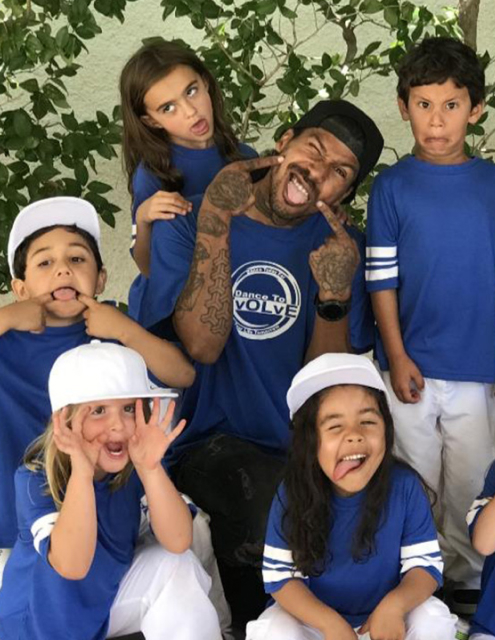

Children learn best when they are engaged, active, and having fun. Among the many extracurricular activities available today, dance classes for kids provide a unique opportunity to combine physical movement, creativity, social interaction, and personal growth. While sports, music, and art programs all offer valuable benefits, dance stands out as an activity that nurtures both the body and the mind. For families across the United States, dance has become a popular choice for helping children develop important life skills while enjoying an exciting and rewarding experience.
Whether a child loves performing in front of others or simply enjoys moving to music, dance can provide a positive environment where they can grow, learn, and express themselves freely.
Why Dance Is More Than Just an Activity
Many people think of dance as a recreational hobby, but its benefits extend far beyond learning steps and routines. Dance encourages children to develop physically, emotionally, and socially in ways that support their overall well-being.
Unlike some activities that focus primarily on competition or performance, dance allows children to explore movement while building confidence and self-awareness. It provides a creative outlet that encourages self-expression and helps children discover their unique strengths.
Physical Development Through Movement
One of the most noticeable benefits of dance is its impact on physical health. Children who participate in regular dance instruction improve a variety of physical skills, including:
- Balance and coordination
- Flexibility
- Strength and endurance
- Posture and body awareness
- Gross and fine motor skills
Dance also helps children develop healthy movement habits from an early age. As they practice different techniques and routines, they become more comfortable controlling their bodies and understanding how movement works.
Because dance involves a wide range of motions, it promotes overall fitness while keeping children actively engaged.
Supporting Emotional Growth
Children experience a variety of emotions as they grow, and dance can serve as a valuable outlet for expressing those feelings. Through movement and music, children can communicate emotions in a creative and constructive way.
Learning new skills and mastering routines also helps build self-confidence. Every accomplishment, whether it’s learning a new step or performing in front of an audience, reinforces a sense of achievement.
As children progress in their dance journey, they often become more comfortable stepping outside their comfort zones and embracing new challenges.
The Social Benefits of Dance Classes
Dance provides opportunities for children to interact with peers in a positive and supportive environment. Unlike activities that focus heavily on individual achievement, dance often emphasizes collaboration and teamwork.
Building Strong Friendships
Children naturally connect with others who share similar interests. Dance classes create opportunities for friendships to develop through shared experiences, practice sessions, and performances.
Working together toward common goals teaches children how to communicate effectively and support one another.
Learning Teamwork and Respect
In group classes, children learn to:
- Follow instructions
- Take turns
- Respect personal space
- Encourage classmates
- Work cooperatively
These social skills can positively influence interactions at school, at home, and in future activities.
Popular Dance Styles for Children
One of the reasons dance remains such a popular activity is the variety of styles available. Every child has different interests and personalities, making it possible to find a style that suits their preferences.
Ballet
Ballet is often considered the foundation of dance education. It teaches proper technique, posture, discipline, and grace.
Children who study ballet develop strong movement fundamentals that can benefit them if they decide to explore additional dance styles later.
Tap Dance
Tap dance focuses on rhythm and musicality. Children enjoy creating sounds with their feet while learning timing, coordination, and pattern recognition.
The energetic nature of tap keeps young dancers engaged while helping improve concentration and listening skills.
Hip Hop
Hip hop is known for its high-energy movements and creative freedom. Many children are drawn to its modern style and upbeat music.
This dance form encourages self-expression and individuality while helping children stay active and engaged.
Creative Movement
For younger children, creative movement classes provide an introduction to dance through imagination, storytelling, and play.
These classes focus on exploration rather than technique, helping children develop confidence and body awareness in a fun and age-appropriate setting.
How Dance Supports Academic Success
The skills developed through dance often extend beyond the studio and into the classroom.
Improved Focus and Discipline
Learning choreography requires children to listen carefully, follow directions, and stay focused on tasks. These habits can translate into improved concentration at school.
Dance also teaches discipline by encouraging consistent practice and goal-setting.
Enhanced Memory Skills
Remembering routines challenges children to retain and recall information. Over time, this process strengthens memory and cognitive function.
As children learn increasingly complex combinations, they become more comfortable processing and organizing information.
Encouraging Creative Thinking
Dance encourages children to think creatively and explore different ways of expressing ideas through movement.
Creative thinking is a valuable skill that supports problem-solving, innovation, and adaptability throughout life.
What Parents Should Look for in a Dance Program
Choosing the right dance program can significantly influence a child’s experience. Parents should look for programs that prioritize learning, enjoyment, and personal growth.
Age-Appropriate Instruction
Children learn differently at various stages of development. Quality programs provide instruction that aligns with a child’s age, physical abilities, and attention span.
Age-appropriate classes help children feel successful and motivated as they progress.
Experienced Teachers
An effective dance instructor understands both dance education and child development.
Great teachers create welcoming environments, provide positive reinforcement, and help children build confidence while learning new skills.
A Positive Learning Environment
The best dance experiences occur in supportive settings where children feel encouraged rather than pressured.
Programs that focus on growth, enjoyment, and participation often help children develop a lasting appreciation for dance.
The Importance of Fun in Learning
Children are more likely to remain engaged in activities they genuinely enjoy. When dance instruction incorporates games, creativity, and positive interaction, learning becomes a rewarding experience.
Fun helps reduce anxiety and encourages children to participate without fear of making mistakes. This creates an environment where growth happens naturally.
Many parents specifically seek dance classes for kids that balance skill development with enjoyment because children are more likely to continue participating when they look forward to each lesson.
Building Confidence Through Performance Opportunities
Many dance programs offer recitals, showcases, or community performances. These events provide children with opportunities to demonstrate what they have learned while developing confidence.
Performing in front of an audience teaches valuable lessons about preparation, perseverance, and self-belief.
Even children who are initially shy often gain confidence through performance experiences. The sense of accomplishment that comes from completing a routine can leave a lasting positive impression.
Importantly, performance opportunities should celebrate progress rather than emphasize perfection.
Developing Healthy Habits for Life
Establishing healthy habits during childhood can have long-term benefits. Dance encourages regular physical activity in a way that feels enjoyable and engaging.
Unlike some forms of exercise that may feel repetitive, dance combines movement, music, and creativity, making it easier for children to stay motivated.
Many families find that dance classes for kids provide a balanced combination of fitness, social interaction, and personal development that supports overall well-being.
As children grow older, the positive relationship they develop with movement can contribute to a healthy and active lifestyle.
Helping Children Reach Their Full Potential
Every child has unique talents, interests, and strengths. Dance provides an environment where those qualities can emerge and flourish.
Some children develop a passion for performance, while others gain confidence, discipline, or social skills through participation. Regardless of their individual goals, dance offers valuable experiences that support growth and development.
By encouraging creativity, resilience, and self-expression, dance helps children discover what they are capable of achieving.
Conclusion
Dance is much more than a recreational activity. It supports physical fitness, emotional well-being, social development, and creative expression while helping children build confidence and important life skills. Whether a child is taking their first class or continuing their dance journey, the lessons learned through movement can positively influence many areas of life.
For families searching for meaningful enrichment opportunities, dance classes for kids offer an engaging and rewarding path toward growth and self-discovery. Programs such as Dance To EvOLvE demonstrate how age-appropriate instruction, supportive teaching, and a fun learning environment can help children thrive while developing a lifelong appreciation for movement and creativity.
The confidence, friendships, and skills gained through dance often remain with children long after they leave the studio, creating benefits that extend well into the future.