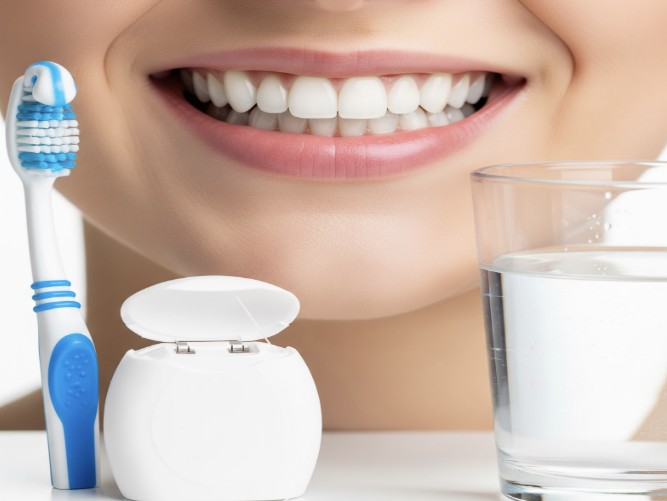

Healthy teeth and gums are essential for more than just a bright smile. They play a vital role in overall health, affecting everything from digestion to heart health. While regular dental visits are important, the habits you practice every day have the biggest impact on your oral health. By incorporating simple, consistent routines, you can strengthen your teeth, protect your gums, and maintain a healthier mouth for life.
Brushing Twice a Day with Proper Technique
Brushing your teeth is the cornerstone of oral health. The American Dental Association recommends brushing twice daily for at least two minutes each time. However, technique matters just as much as frequency.
Use a soft-bristled toothbrush and a fluoride toothpaste. Position the brush at a 45-degree angle to your gums and use gentle, circular motions. Avoid aggressive scrubbing, which can damage enamel and irritate gums. Don’t forget to brush the chewing surfaces, the inside of your teeth, and your tongue to remove bacteria that can cause bad breath.
Flossing Daily
Even the best brushing routine can’t reach the tight spaces between your teeth. Flossing daily removes plaque and food particles where toothbrushes can’t reach, preventing cavities and gum disease.
Use about 18 inches of floss, wrapping most of it around your middle fingers. Gently slide the floss between each tooth, curving it around the base of the tooth and under the gumline. Avoid snapping or forcing the floss, as this can damage gums. Over time, flossing strengthens gum tissue and reduces inflammation.
Rinsing with Mouthwash
Mouthwash isn’t just for fresh breath—it can help reduce plaque, fight bacteria, and strengthen teeth. Choose a mouthwash with fluoride or antimicrobial properties to enhance your oral hygiene routine. Rinsing after brushing and flossing can help reach areas that were missed and provide extra protection against cavities and gum disease.
Limiting Sugary and Acidic Foods
What you eat has a direct impact on your teeth and gums. Sugary foods and drinks feed bacteria in the mouth, producing acids that erode enamel and lead to cavities. Acidic foods and beverages, like citrus or soda, can also weaken enamel over time.
To protect your teeth, limit sugary snacks, and rinse your mouth with water after consuming acidic foods. Choosing tooth-friendly snacks like cheese, nuts, or raw vegetables can help neutralize acids and strengthen enamel.
Drinking Plenty of Water
Water is one of the simplest yet most effective ways to maintain oral health. It helps wash away food particles and bacteria, keeping your mouth clean throughout the day.
Fluoridated water also strengthens enamel, making teeth more resistant to decay. Staying hydrated supports saliva production, which naturally protects teeth by neutralizing acids and washing away debris. Aim to drink water regularly, especially after meals or snacks.
Avoiding Tobacco Products
Smoking and other tobacco products are major risk factors for gum disease and oral cancer. Tobacco use reduces blood flow to the gums, making it harder for your mouth to fight infection and heal. It also stains teeth, causes bad breath, and contributes to tooth loss over time.
Quitting tobacco can significantly improve your oral health, strengthen gums, and reduce your risk of serious dental problems.
Eating a Balanced, Nutrient-Rich Diet
Your diet plays a crucial role in maintaining strong teeth and gums. Nutrients like calcium, phosphorus, vitamin D, and vitamin C are especially important for oral health.
- Calcium and phosphorus help rebuild and strengthen enamel. Dairy products, leafy greens, and nuts are great sources.
- Vitamin D assists in calcium absorption and supports healthy bones and teeth. Sun exposure and fortified foods can help maintain levels.
- Vitamin C is vital for gum health, helping prevent inflammation and bleeding. Citrus fruits, berries, and bell peppers are excellent sources.
Eating a well-balanced diet ensures that your teeth and gums have the nutrients they need to remain healthy and resilient.
Chewing Sugar-Free Gum
Chewing sugar-free gum stimulates saliva production, which helps neutralize acids, remove food particles, and strengthen teeth. Xylitol-based gum is especially beneficial because it reduces bacteria that cause cavities. Chewing gum for a few minutes after meals can be an easy addition to your daily oral care routine.
Regular Dental Checkups
Even with the best habits at home, regular dental checkups are essential. Visiting your dental clinic every six months allows for early detection of cavities, gum disease, and other oral health issues. Professional cleanings remove plaque and tartar buildup that brushing and flossing can’t eliminate.
Your dentist can also provide personalized advice on habits, products, and treatments to strengthen your teeth and gums.
Managing Stress
Stress can indirectly affect oral health. Grinding your teeth, clenching your jaw, or neglecting oral hygiene are common stress-related habits that damage teeth and gums. Practicing stress management techniques like exercise, meditation, or yoga can reduce these behaviors and help maintain a healthy mouth.
Maintaining a Healthy Smile for Life
Healthy teeth and gums are built on consistent daily habits. Brushing and flossing properly, rinsing with mouthwash, eating a nutrient-rich diet, and avoiding harmful substances like tobacco are simple steps that make a big difference over time. Staying hydrated, chewing sugar-free gum, and managing stress further support oral health.
Regular visits to a trusted dental clinic Houston ensure that problems are caught early and your smile remains strong and vibrant. By making these daily habits part of your routine, you not only protect your teeth and gums but also contribute to your overall health and confidence. A little effort each day can lead to a lifetime of strong teeth, healthy gums, and a bright, confident smile.