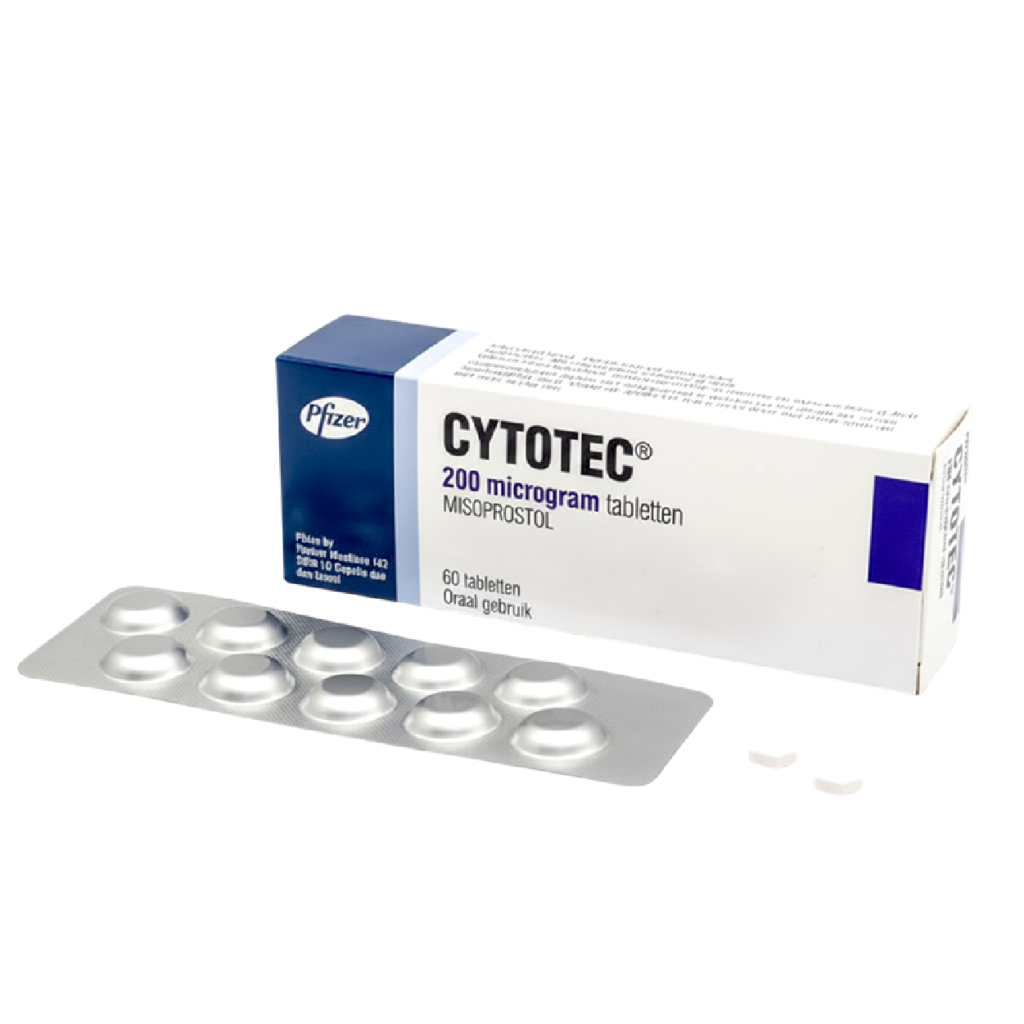

Cytotec is a widely used pharmaceutical medication whose active ingredient is misoprostol, a synthetic prostaglandin E1 analogue. It is recognized in modern medicine for its multiple clinical applications, particularly in gastroenterology and obstetric care. Initially developed to protect the stomach lining from damage caused by long-term use of nonsteroidal anti-inflammatory drugs (NSAIDs), Cytotec has since gained broader medical relevance due to its ability to act on smooth muscles and regulate physiological functions in different body systems. Its versatility makes it an important medication in controlled healthcare environments, but it also requires careful and responsible use under medical supervision.
The primary function of Cytotec in gastrointestinal care is to reduce the risk of stomach ulcers. NSAIDs, commonly used for pain and inflammation, can weaken the stomach’s protective lining by inhibiting natural prostaglandins. Cytotec compensates for this by mimicking prostaglandin activity, which helps reduce gastric acid secretion while increasing the production of protective mucus and bicarbonate in the stomach. This dual action strengthens the stomach lining and reduces the likelihood of acid-related damage, making it particularly useful for patients requiring long-term NSAID therapy.
Beyond its gastrointestinal benefits, Cytotec has significant effects on smooth muscle tissues, especially in the uterus. Misoprostol interacts with prostaglandin receptors found in uterine muscles, stimulating controlled contractions and influencing cervical softening in clinical settings. These properties have led to its use in obstetric and gynecological care under strict medical supervision. In hospitals and healthcare facilities, it may be used to assist in managing certain reproductive health conditions, controlling excessive bleeding after childbirth, and preparing the cervix for medical procedures. Its ability to induce uterine contractions is carefully monitored by healthcare professionals to ensure safety and effectiveness.
Cytotec works in the body by binding to prostaglandin receptors and triggering specific biological responses depending on the tissue type. In the stomach, it reduces acid production and enhances mucosal defense mechanisms. In reproductive tissues, it stimulates smooth muscle contractions and promotes cervical changes when clinically required. After administration, the medication is rapidly absorbed and converted into its active form, allowing it to begin acting within a short period of time. The effects vary depending on dosage, individual health conditions, and method of administration, which is always determined by a qualified healthcare provider.
The use of Cytotec is associated with a range of side effects, most of which are temporary and mild in nature. Common reactions include nausea, diarrhea, abdominal cramping, headache, fatigue, and mild fever. These symptoms typically occur as the body adjusts to the medication’s effects on smooth muscle activity and gastrointestinal function. In most cases, they resolve without medical intervention. However, more severe reactions, although less common, may include intense abdominal pain, dehydration due to persistent gastrointestinal discomfort, allergic responses such as skin rash or swelling, and unusual or prolonged symptoms that require medical evaluation. Any persistent or concerning effects should be addressed by a healthcare professional promptly.
Safety is a critical consideration when using Cytotec due to its strong physiological effects. It is not a medication intended for unsupervised use, and it should only be taken under proper medical guidance. Individuals with certain medical conditions, such as inflammatory bowel disease, cardiovascular disorders, or known hypersensitivity to prostaglandins, may require special caution or alternative treatments. Additionally, interactions with other medications, including magnesium-containing antacids and certain anti-inflammatory drugs, may alter its effects or increase the likelihood of side effects. For this reason, a full medical history and current medication review are essential before its use.
Proper dosage and administration of Cytotec depend entirely on the condition being treated and the patient’s individual health profile. In clinical practice, healthcare providers determine the appropriate dose, frequency, and method of administration to ensure optimal results while minimizing risks. The medication may be administered orally or through other medically approved routes depending on the clinical situation. Self-administration without guidance is not recommended, as incorrect usage can lead to complications or reduced effectiveness.
Storage and handling of Cytotec are also important for maintaining its stability and potency. The medication should be kept at room temperature, away from moisture, heat, and direct sunlight. It should remain in its original packaging and be stored out of reach of children. Proper storage ensures that the active ingredient remains effective throughout its shelf life.
Overall, Cytotec plays an important role in modern healthcare due to its dual action on the stomach and smooth muscle tissues. Its ability to protect the gastrointestinal lining and influence uterine activity makes it a valuable medication in specific clinical scenarios. However, its potency also requires careful handling, appropriate prescribing, and responsible use under professional supervision. Understanding its mechanism, applications, and safety considerations is essential for ensuring that it is used effectively and safely within approved medical guidelines.